The Truth About Vanlife That No One Talks About (But You Need to Hear)
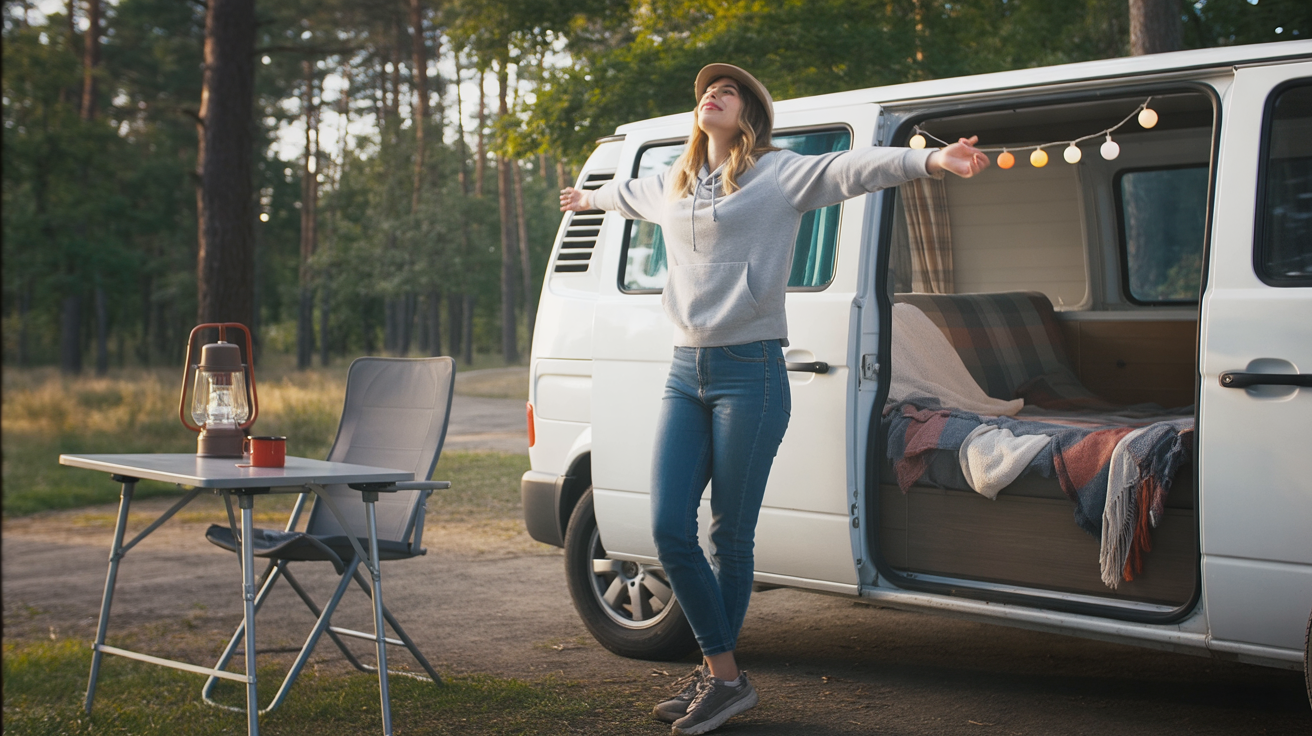
Vanlife is everywhere — glossy sunsets, tidy vans, tiny stoves cooking picture-perfect meals. Laptops on laps with mountain backdrops. Instagram makes it look like freedom in its purest form: simple, beautiful, endlessly inspiring. And yes, sometimes it is. Waking up to the ocean outside your window or pulling into a forest campsite can feel surreal in the best way.
But here’s what most people don’t show you: vanlife is also raw, demanding, and emotional. It will stretch you, test you, and at times leave you staring into the quiet asking yourself why you chose this path. It’s not just an adventure — it’s an unfiltered relationship with yourself, your limits, and your ability to adapt.
When I first started, I thought the hardest part would be logistics. In reality, the hardest parts were the truths no one had warned me about: loneliness, boredom, second-guessing, and the daily dance between freedom and frustration. Yet in those hard edges, I found the growth that made vanlife worth it.
If you’re considering this lifestyle, know this: it’s not only about the pretty views. It’s about meeting yourself in the stillness, the chaos, and everything in between. These are the truths I wish someone had told me before I hit the road.
Some Days Feel Boring, Lonely, and Off
Scrolling vanlife content online, it looks like every day is an adventure: new trails, ocean swims, golden sunsets, and perfectly lit dinners cooked under the stars. What you don’t often see are the in-between days — the ones where nothing really happens. Days where the laundry piles up, the Wi-Fi is nonexistent, or the weather keeps you cooped up inside a space the size of a walk-in closet. Those are the days that test you.
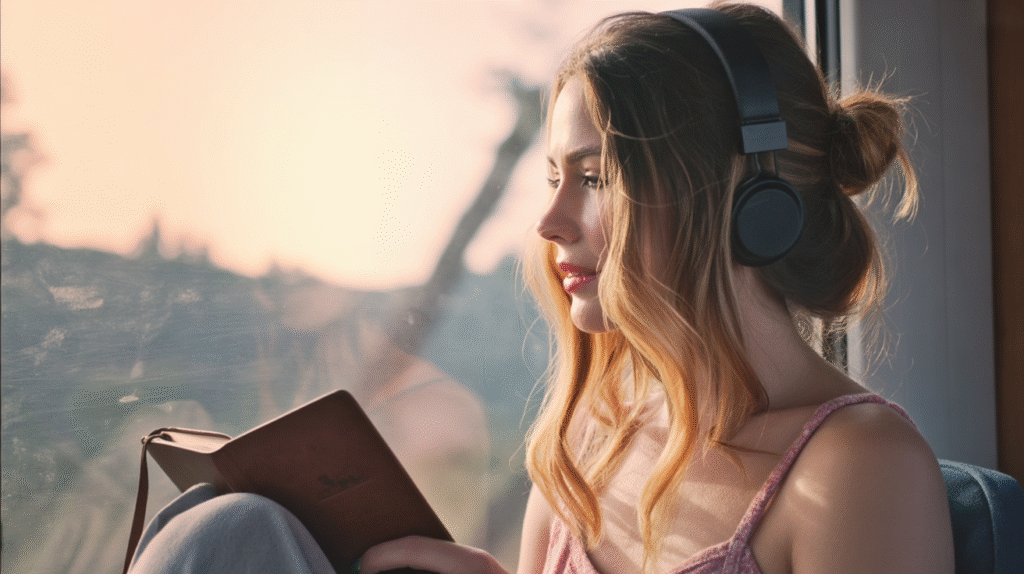
Boredom feels sharper in a van because you can’t distract yourself the way you might in a city. There isn’t always a coffee shop down the block or a friend to grab dinner with. Loneliness creeps in more quickly, too. Even if you love solitude, the silence can echo when the rain taps for hours and you realize you haven’t had a real conversation in days. Sometimes, you’ll cry for no reason at all. And that doesn’t mean you’re failing — it just means you’re human.
What makes the difference is having anchors. A playlist that shifts your mood, a go-to comfort meal, a walk even in the drizzle — these tiny acts ground you. They remind you that not every day has to be extraordinary. Some days are simply for being, for letting your nervous system settle, for meeting yourself in the stillness.
Vanlife amplifies emotions: the highs are higher, the lows heavier. But learning to ride both is part of the real freedom.
You’ll Question Your Choice — Often
In the first weeks of vanlife, every flat tire, missed turn, or broken appliance feels like a personal attack. I remember sitting on the side of a backroad with steam rising from my engine, thinking: “What was I thinking? Why did I leave stability for this?” It’s easy to interpret discomfort as a sign you’ve made a mistake.
But here’s the truth: questioning yourself is part of the process. Any big life change comes with doubt — moving cities, starting a business, leaving a job. Vanlife is no different, except that its challenges are more visible. When your sink leaks or your solar fails, the problems are immediate, physical, and impossible to ignore. They press against you in a way that makes second-guessing inevitable.
The trick is not to treat those doubts as verdicts. They’re simply growing pains — opportunities to build resilience, patience, and problem-solving skills. Every obstacle you work through strengthens your confidence, teaching you that you can adapt even when things don’t go as planned.
One rule I made for myself was simple: no big decisions on bad days. Don’t decide to sell the van, quit the road, or scrap your dream when you’re cold, wet, or tired. Give yourself space. Sleep on it. More often than not, the next morning brings perspective.
The questioning won’t stop, but over time it softens. It stops being “Did I make a mistake?” and starts being “What can I learn from this?” That’s when you know you’re growing into the lifestyle instead of resisting it.
Logistics Can Break Your Spirit (If You Let Them)
The part of vanlife no one glamorizes is the constant background hum of logistics. On Instagram, you see the sunrise yoga or the perfectly plated camp meal. What you don’t see are the hours spent hunting for a safe parking spot, the stress of your solar refusing to charge, or the mental math of “how many miles until I need to find water, propane, or a laundromat?”
In my first months, I underestimated how draining this could be. One particularly rough week, my inverter failed, my backup battery was nearly empty, and I couldn’t find legal overnight parking anywhere near the city I had to be in for work. Each problem on its own was manageable. Together, they made me question whether I was cut out for this lifestyle. I wasn’t overwhelmed by the adventure — I was overwhelmed by the errands.
The truth is, logistics are unavoidable. But they don’t have to break you if you plan with redundancy in mind. A backup power bank for emergencies, extra water stored in jugs, and multiple parking apps downloaded ahead of time create a safety net. When you prepare for things to go wrong, you free yourself from the panic when they inevitably do.
Vanlife isn’t about escaping responsibility — it’s about carrying it differently. The road will test you with constant, unpredictable needs. But if you approach them with systems instead of stress, you’ll discover that logistics don’t steal your freedom; they safeguard it.
You’ll Miss People — and You’ll Also Avoid Them
Vanlife is a study in contradictions, and nowhere is that more obvious than with connection. On the road, you’ll miss people more deeply than you expect. Birthdays you can’t attend, dinners with friends you wish you could join, the simple comfort of family close by — these absences hit harder when you’re sitting alone in your van at night. Loneliness can creep in quietly, and when it does, it feels heavier than it might at home.
And yet, in the same breath, you’ll find yourself craving solitude. After long stretches of socializing at campgrounds or coliving spots, you might feel an overwhelming need to retreat, to park somewhere quiet, to avoid conversation altogether. Both states are valid. Both can feel unsettling if you’re used to a more consistent rhythm of interaction.
I learned that the key was honesty — with myself and with others. Some weeks, I’d actively seek out nomad gatherings, coworking cafés, or shared meals with other travelers. Other weeks, I gave myself full permission to withdraw without guilt. Alternating between high-connection and solo time helped me avoid burnout on both ends.
This push and pull isn’t a flaw of vanlife; it’s part of its nature. The lifestyle magnifies your needs, forcing you to acknowledge and honor them instead of numbing them away. And in doing so, it teaches you balance: connection without overextension, solitude without isolation.
You Can Feel Homeless and Free at the Same Time
Vanlife strips away traditional anchors. There’s no fixed address, no neighborhood café that knows your order, no familiar walk home after work. Some days, that feels exhilarating — the whole map is open, and your home moves with you. Other days, it feels unsteady, like you’ve cut yourself loose from the things that once grounded you. That tension between freedom and rootlessness is one of the hardest truths of this lifestyle.
I remember parking on a breathtaking cliffside, ocean stretching endlessly in front of me. It should have felt like the dream. But instead, I felt hollow — like I had nowhere to belong. Later, in a crowded parking lot behind a grocery store, I felt the opposite: grateful, resourceful, oddly safe. Both moments taught me that “home” isn’t just about the backdrop; it’s about how you hold yourself inside of it.
The solution isn’t to chase one feeling and avoid the other. It’s to build internal anchors — small rituals and consistencies that move with you. Brewing the same morning coffee, taking nightly walks, journaling before bed, or even lighting a candle at dinner. These repeated acts create familiarity, turning wherever you park into a place that feels like yours.
Vanlife will stretch your idea of what home means. You’ll learn that it’s not a fixed point on a map, but something you carry — in your routines, your mindset, and your ability to root into the present moment, no matter where the wheels stop.
Your Identity Will Shift — Whether You’re Ready or Not
When you strip away office hours, commutes, and the usual social expectations, you also strip away the structures that once defined who you were. Vanlife doesn’t just change your surroundings — it reshapes your identity. And sometimes, that shift feels unsettling.
At first, I clung to old measures of success. Was I working enough hours? Was I keeping up with the life I’d left behind? Without those benchmarks, I felt unmoored. Slowly, though, I realized vanlife was giving me a chance to rebuild. I started to notice what truly energized me, what drained me, and what values I wanted to live by. I shed habits that no longer fit and began creating a version of myself that felt closer to the truth.
But identity shifts can be disorienting. You may outgrow parts of yourself you once loved, or let go of roles that gave you pride. That grief is real — and worth acknowledging. The key is not to resist the changes, but to document and integrate them. Journaling, self-portraits, or even voice notes help you track the evolution and see the bigger picture.
Over time, you begin to trust the process. Vanlife isn’t just a physical journey; it’s an inner one. You won’t come out the same person you went in — and that’s the point.
No One Tells You How Deeply You’ll Know Yourself
On the road, distractions fade. There are fewer errands, fewer social obligations, fewer ways to drown out your own thoughts. At first, that silence can feel uncomfortable. The van door closes, the night is quiet, and suddenly it’s just you — your moods, your patterns, your fears, your desires. You can’t escape yourself the way you once did.
For me, this was the most confronting part of vanlife — and ultimately, the greatest gift. I started noticing what truly made me light up, the small rituals that calmed me, the triggers that drained my energy, the relationships I actually wanted to nurture. Without the noise of a conventional life, I saw myself more clearly than ever before. And while that clarity was raw at times, it was also liberating.
Self-knowledge doesn’t come all at once. It builds in layers: a moment of frustration that teaches you patience, a quiet sunrise that reminds you of gratitude, an unexpected breakdown that shows you how resilient you really are.
This depth of knowing can feel heavy, but it’s also the foundation for freedom. Once you know yourself, you stop performing as much for others. You design your life more honestly, and you carry that clarity long after the wheels stop rolling.
Closing Thought
The truth about vanlife is that it won’t save you, and it won’t solve all your problems. If anything, it brings them closer, strips away distractions, and holds them up to the light. Some days will feel lonely, some will feel heavy, and some will make you wonder why you chose this path at all. And yet — in that rawness lies the beauty.
Vanlife sharpens you by removing the buffers. It asks you to grow in patience, creativity, resilience, and honesty. It shows you how to live with less, how to find comfort in rituals, and how to sit with yourself without numbing the discomfort away. The challenges are real, but so are the gifts: breathtaking freedom, a deeper connection to the present moment, and the kind of self-knowledge that stays with you long after you leave the road.
If you’re considering this lifestyle, know that it’s not all golden light and perfect photos. It’s messy, humbling, and sometimes exhausting. But if you’re willing to meet yourself in that mess, the rewards run deeper than the views. Vanlife won’t always look good, but it will always teach you — and that might be the most valuable truth of all.