5 Reasons Why Luxury Is the New Minimalism for Digital Nomads
There was a time when being a digital nomad meant squeezing every cent, traveling with a single backpack, and bragging about how little you spent on rent or meals. Dorm beds, budget flights, and patchy Wi-Fi were worn like badges of honor. And while that scrappy version of nomad life had its charm, it often came at a cost: burnout, poor health, and a sense of always being on edge.
Today, something is shifting. A growing wave of remote workers and nomads are redefining what freedom actually looks like. Instead of chasing the cheapest option, they’re choosing spaces and tools that help them thrive — calm apartments with light and warmth, work setups that support their bodies, and routines that bring beauty and intention into the everyday.
This isn’t about excess or showing off. It’s about sustainability. True luxury in nomad life now means having less, but with more meaning. It’s carrying fewer belongings, but choosing ones that spark joy. It’s working smarter with tools that save energy. It’s slowing down enough to savor a place instead of racing through it.
Luxury has quietly become the new minimalism — not as a performance, but as a strategy for living, working, and creating with more ease.
Comfort Isn’t a Splurge — It’s a Strategy
When you first start traveling, it’s easy to treat comfort as optional. You tell yourself you’ll adapt to the lumpy hostel bed, the noisy street outside your window, the lukewarm shower. And maybe you do — for a while. But over time, those discomforts chip away at your energy, your mood, and your ability to show up for work with clarity. In the early days of my nomad journey, I prided myself on being “tough,” thinking I could power through anything. What I didn’t realize was how much energy I was wasting just trying to cope.
Comfort isn’t about indulgence; it’s infrastructure. A reliable mattress means deeper sleep, which means better focus and creativity the next day. A quiet, well-lit workspace reduces stress and makes you want to sit down and do your best work. Even small details — a hot shower, filtered water, an ergonomic chair — act as silent supporters, keeping your nervous system calm in a life full of change.
Luxury-minded nomads see these not as splurges, but as strategies. By prioritizing comfort, you’re not “spoiling yourself” — you’re protecting your most valuable resource: your energy. And when you conserve that, you have more to give to your work, your adventures, and yourself.
Less Stuff, More Beauty
Minimalism used to mean stripping everything away — living with the bare minimum and proving how little you could get by on. But over time, many nomads found that this version of minimalism left them feeling deprived, not free. What’s emerging now is a softer, more intentional approach: fewer belongings, yes, but ones chosen with care.
Luxury and minimalism aren’t opposites anymore; they’re partners. Imagine opening your suitcase and seeing only pieces you love to wear — a silk blouse that makes you feel elegant, linen pants that breathe in the heat, a skincare ritual that grounds you at the end of the day. Instead of dragging along “just in case” items that clutter your bag and your mind, you carry a capsule wardrobe and a handful of rituals that feel abundant in their simplicity.
This isn’t about labels or excess; it’s about creating a sense of beauty in your daily rhythm. Luxury becomes a soft robe for your morning coffee, a candle that signals evening rest, or a tidy Airbnb corner with nothing extra to distract you. By choosing less but choosing well, your environment becomes lighter, calmer, and far more nourishing.
In the end, beauty doesn’t come from having more things — it comes from curating a life where every item feels like it belongs.
High-Quality Tools Save You Energy
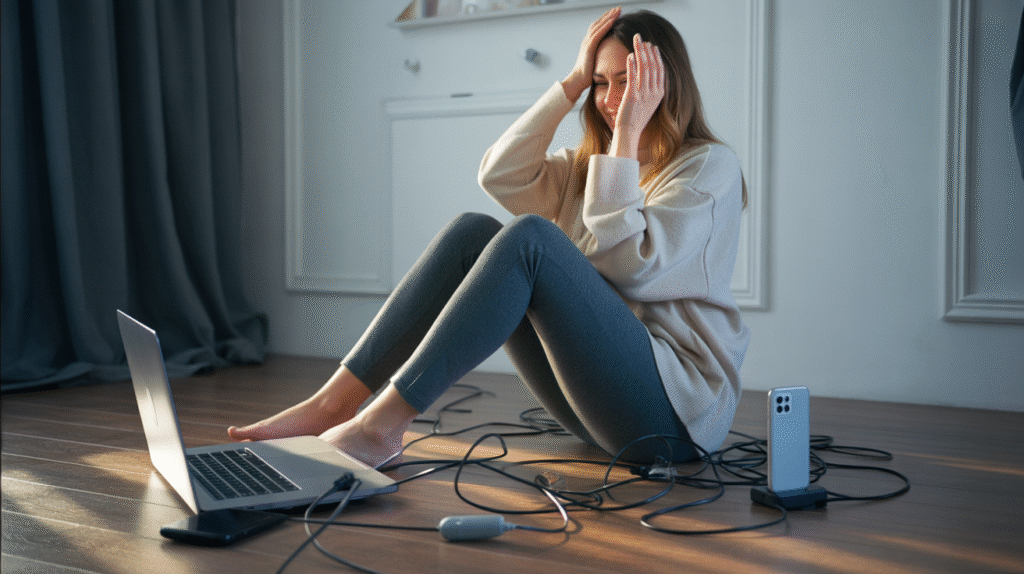
Nothing drains you faster on the road than tools that don’t work. A fraying charger, a backpack strap that digs into your shoulder, a tripod that collapses in the middle of shooting — these little frustrations add up. At home, you might shrug them off. But as a digital nomad, your gear is your office, your safety net, and your creative studio all in one. If it fails, your day derails.
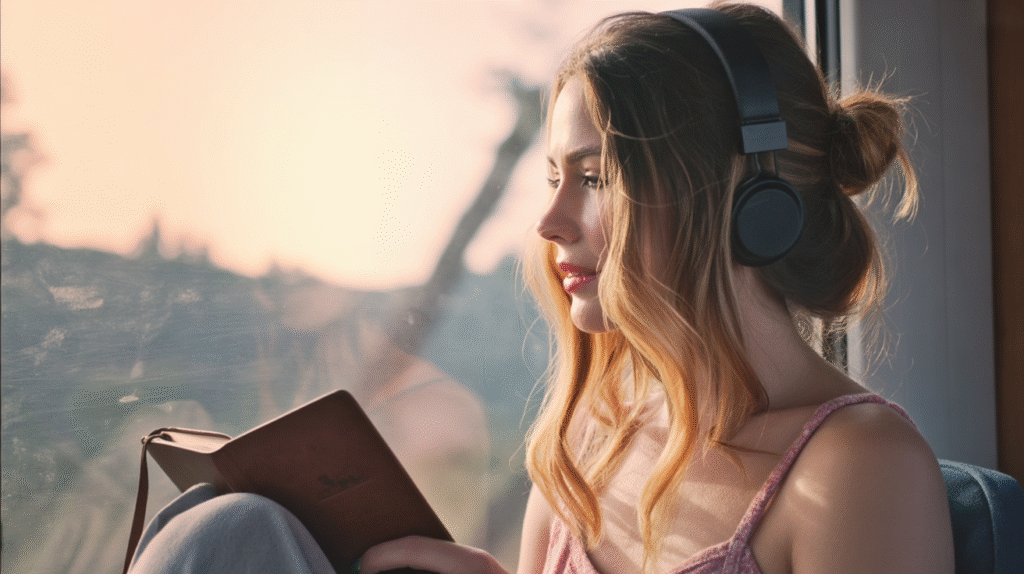
Luxury, in this sense, isn’t about gold-plated gadgets — it’s about equipment you don’t have to think about. A travel router that keeps you online without endless resets. Noise-cancelling headphones that block the café chaos and let you focus deeply. A laptop stand that spares your neck during long hours of work. A backpack that carries weight comfortably through airports, city streets, and mountain buses. These investments aren’t about status; they’re about sanity.
When you buy cheap, you often pay twice — once with money and again with energy. High-quality tools, by contrast, pay you back every single day in reliability and ease. They remove friction, conserve your focus, and give you the freedom to create without distraction.
For nomads, energy is the real currency. And the right tools ensure you’re spending it on your craft, not on solving problems that shouldn’t exist in the first place.
Slowness Becomes the Real Flex
There was a time when the ultimate brag for nomads was how many stamps you could collect in a year. The faster you moved, the more adventurous you looked. But ask anyone who’s tried to juggle five countries in a month while freelancing, and they’ll tell you the same thing: exhaustion is not freedom. Constantly packing, adjusting, and orienting yourself leaves little room for the work or the joy you came here for.
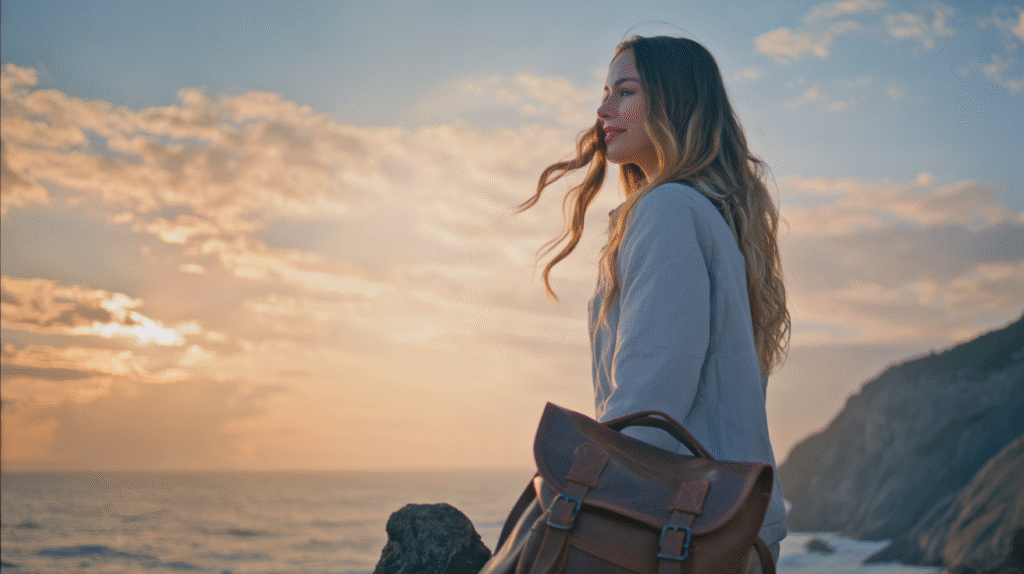
Luxury now looks different. It’s knowing the baker’s name at the corner café, recognizing the neighbor’s dog, or having a favorite park bench you return to each morning. Slow travel lets you build rhythms instead of constantly starting over. With more time in one place, you find better Wi-Fi, deeper sleep, and space for actual community. You eat where locals eat, shop at the same market, and watch how a place shifts with the light throughout the week.
Slowness isn’t laziness; it’s a strategy. It gives you space to rest, to do deep work, to fully inhabit a place instead of grazing the surface. It makes your lifestyle sustainable for years, not just months.
In the end, the new flex isn’t “I’ve been everywhere.” It’s “I’ve been somewhere long enough for it to feel like home.”
It’s About Feeling, Not Flash
Luxury used to be measured in things you could show: a designer suitcase, a first-class ticket, a villa with an infinity pool. But nomads are discovering that those markers don’t necessarily make life richer — especially when you’re constantly moving. Flash fades quickly. Feeling lasts.
The new luxury is emotional richness: soft lighting that makes evenings calm, music that fills the room with warmth, a simple meal cooked slowly instead of another rushed takeaway. It’s the way your space smells after you light a favorite candle, or the way your nervous system relaxes when the environment around you feels intentional instead of chaotic.
This shift is subtle but powerful. It means you don’t have to prove anything to anyone; you’re not performing your lifestyle for social media or for validation. Instead, you’re curating your days in ways that feel good to you. That might mean cooking in silence, or dancing barefoot in your Airbnb kitchen, or building a little morning ritual with coffee and sunlight.
True luxury is when your environment supports you — not when it impresses someone else. And once you start living from that place, the entire nomad experience changes. It becomes less about chasing the next photo, and more about building a life that feels like yours.
Closing Thought
For digital nomads, luxury isn’t about excess — it’s about intention. It’s choosing what supports you instead of what weighs you down. It’s fewer belongings, but ones that feel good to use. It’s tools that last, spaces that soothe, and rhythms that give your nervous system room to breathe.
Minimalism taught us to cut away the unnecessary. Luxury, redefined, teaches us to fill the remaining space with quality, beauty, and presence. Together, they create a lifestyle that’s not only sustainable but nourishing. You stop chasing cheap shortcuts that drain you, and instead build foundations that let you thrive — not just for a few months, but for years.
The most luxurious thing you can give yourself on the road isn’t a designer bag or a penthouse suite. It’s waking up in a space that feels calm, working without constant friction, resting deeply at night, and knowing you have the energy to show up fully for both your work and your life.
In the end, luxury for nomads isn’t about proving you’ve “made it.” It’s about crafting a way of living that feels alive, grounded, and deeply yours. That might just be the new minimalism — and the freedom it offers runs deeper than ever.