How I Found Freedom, Focus, and Fierce Joy Through Bicycle Nomadism
I never planned to be a bicycle nomad. I just wanted to slow down—to stop measuring my worth by how much I could cram into a day. I wanted to step off the conveyor belt of “productive living” and feel the ground under my feet again.
One impulsive “yes” to a borrowed touring bike turned into the first mile of a life I didn’t know I was missing. Somewhere between the sweat, the solitude, and the sound of my tires on gravel, I began to see myself differently—not as a woman constantly catching up, but as one moving exactly in her own time.
This wasn’t about escape. It was about remembering who I was when the noise fell away. The road gave me a mirror, a rhythm, and a space to meet myself anew. What followed were lessons less about cycling, more about living—less about endurance, more about presence.
I Learned to Trust My Own Pace
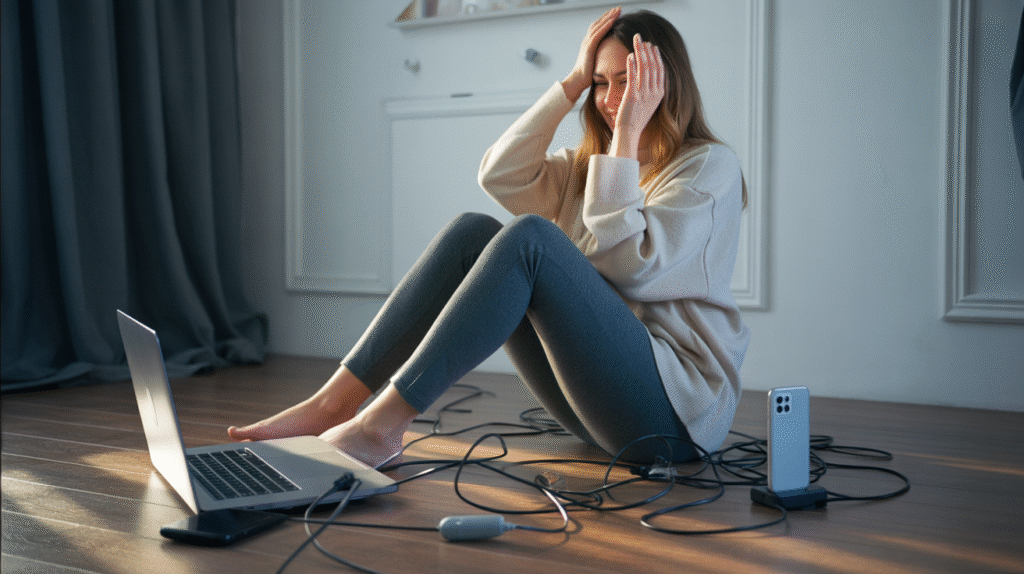
Before the road, my days were a race I never won. I chased deadlines, compared myself to others, and measured value in output. Every moment was pressed against a clock that wasn’t mine.
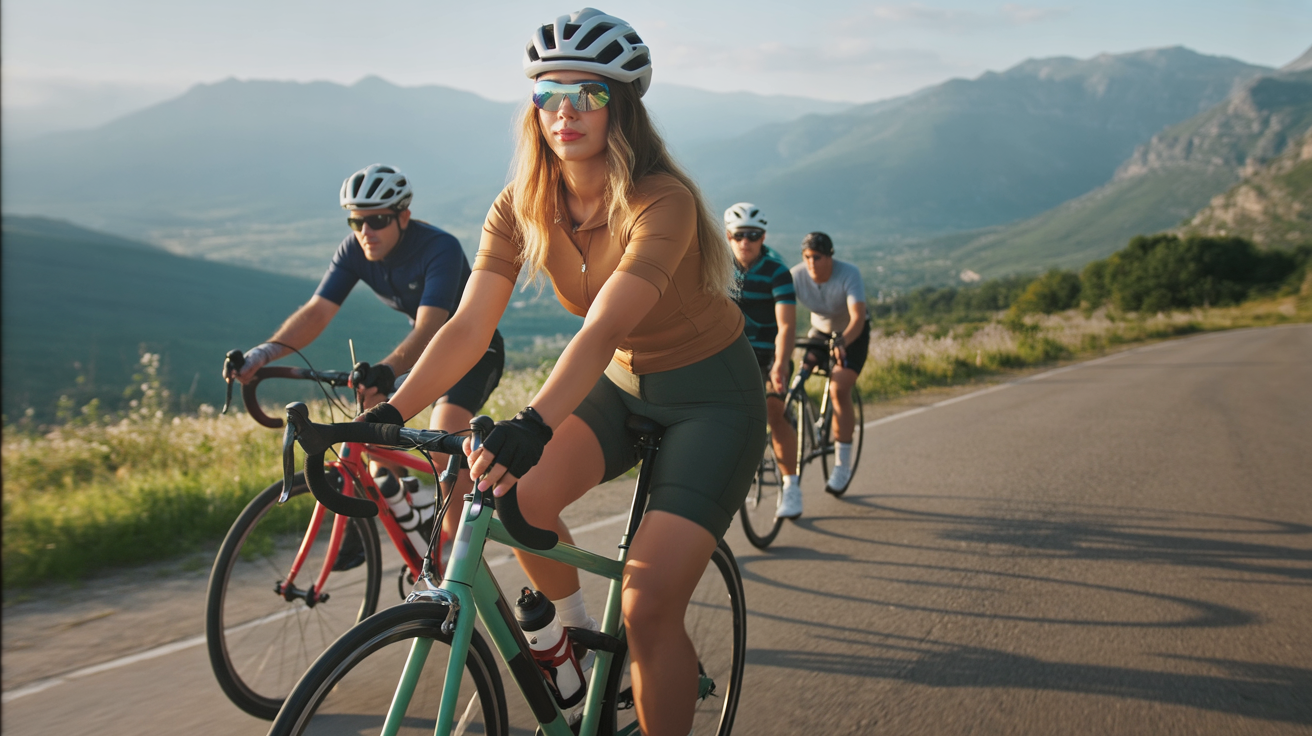
Cycling disrupted that story. Some mornings, my legs spun like fire, hills dissolving beneath me. Other days, every climb felt impossible, each pedal stroke slow and shaky. Both mattered. Neither was wrong.
That lesson bled into my work. I stopped forcing rigid productivity blocks and began aligning my projects with my energy. The result wasn’t less work—it was deeper, sharper work. When I honored my rhythm instead of resisting it, what I created felt alive.
Trusting my pace meant trusting myself. Progress stopped being about speed. It became about alignment—about showing up honestly, whether strong or tired, and knowing both had value.
I Stopped Chasing Perfection and Started Loving the Mess
Instagram never shows the mud. It doesn’t show the night I sat in a soggy tent, socks damp, spooning cold chickpeas straight from the tin. It doesn’t show the chain grease streaked across my leg or the moment my sleeping pad deflated just before dawn.
At first, I thought these imperfections meant I was failing. But slowly, they became my favorite chapters. The mess made the journey real. Each discomfort taught resourcefulness. Each unexpected hiccup rewrote the story I’d tell later—not of flawless freedom, but of resilience and humor.
This is reframing in action: turning what looks like failure into evidence of strength. On a bike, you practice it daily. Rain is no longer disaster, just a backdrop. Mud isn’t embarrassment, it’s grit. The mess doesn’t ruin the story—it makes the story worth telling.
Perfection was never the point. The mess was where the living happened.
I Found a Kind of Silence That Healed Me
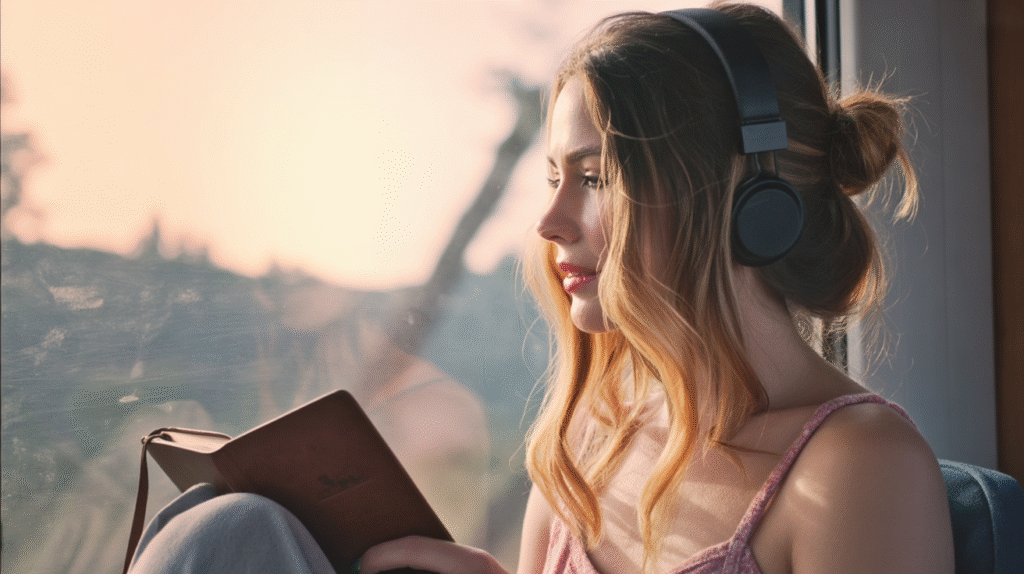
City noise had trained my nervous system to be on edge—sirens, conversations, constant scrolling. On the bike, silence arrived differently. Not empty, but layered: the rhythm of the chain, the whisper of wind, the distant call of birds.
At first, it unsettled me. Without noise, long-buried thoughts surfaced—unanswered fears, old wounds, the questions I avoided. But the road held space for them. Nothing demanded I push them away. I could let them rise, breathe with them, and watch them pass.
Research calls it nature’s restorative effect. I didn’t need studies. I felt cortisol fade in my chest. My breath lengthened. My mind softened. The silence wasn’t absence; it was medicine.
In that healing quiet, I began listening—to myself, to the world, to a frequency I hadn’t heard in years. It didn’t erase the noise of life. It reminded me I didn’t have to live inside it.
My Creativity Came Roaring Back
Movement sparked imagination in ways stillness never did. Pedaling became meditation, and in the rhythm, ideas bloomed. Recipes. Stories. New ways to simplify. Each ride pulled thoughts into fresh patterns, each hill unlocked a different angle.
I started carrying a notebook close, pulling over mid-ride to jot things down. What felt like distraction was actually incubation: the mind connecting dots while my body worked. Creativity didn’t return in a lightning strike—it poured back slowly, woven into each kilometer.
Back at my laptop, the ideas translated easily. What once felt forced began to flow. The rides gave me more than exercise—they gave me a portal back to the part of myself I thought I’d lost.
The road didn’t just carry me forward; it carried my creativity, too, returning it with a force I hadn’t realized I was missing.
I Reclaimed Joy in the Everyday
When your entire life fits into two panniers, the scale of joy shifts. A warm blanket after a wet ride feels like wealth. Fresh bread from a town bakery tastes like a feast. The first sip of tea outside your tent at dawn can move you to tears.
These moments became my currency. I stopped waiting for grand gestures or milestones to feel happy. I found it in daily rituals: washing clothes in a stream, stretching under starlight, sharing a smile with a stranger in a café.
The beauty of scarcity is amplification. Fewer possessions sharpened my gratitude. Every comfort glowed brighter. The ordinary became extraordinary—not because it changed, but because I finally noticed.
Joy, I realized, was never missing. I had just been too busy to see it. The bicycle slowed me enough to notice—and in noticing, I learned how abundant my life already was.
I Realized I Was Already Free
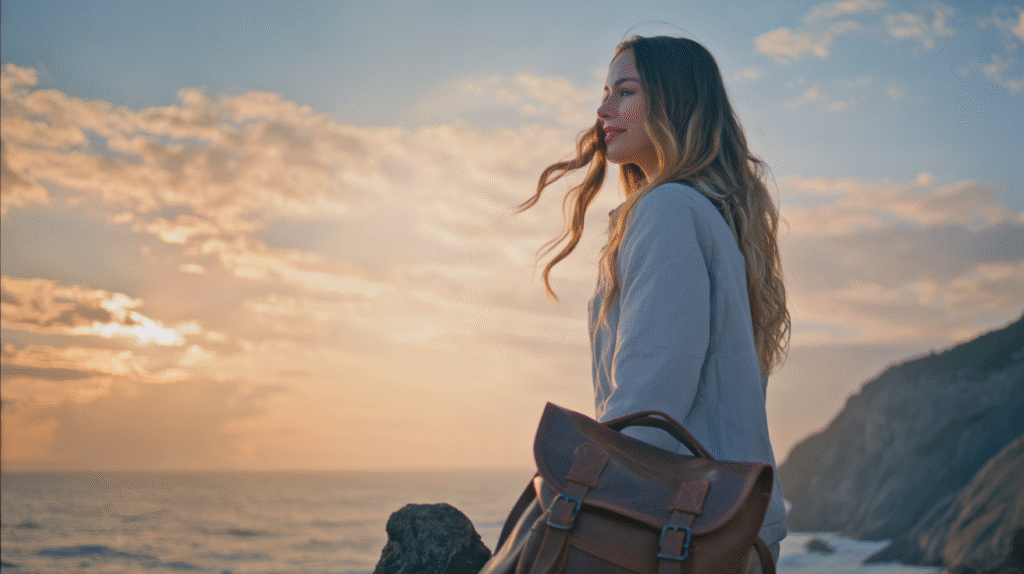
Freedom wasn’t waiting at the next border. It wasn’t locked in gear, passports, or plans. It was in the quiet truth that I could choose: when to ride, when to stop, where to linger, how to live.
The bicycle made that visible. Each turn of the pedals was a small declaration of autonomy. Each route decision was a mirror of the life I wanted to create off the road. Freedom wasn’t a destination—it was a practice.
The road reminded me that I’d carried it all along. I only had to claim it. And the more I chose it in small ways—slowing when tired, saying yes to detours, trusting my rhythm—the more I believed I could build a life rooted in that same agency everywhere else.
Freedom wasn’t out there. It was already here, in me, waiting for recognition.
I Learned the Power of Traveling Light
At first, I packed like I was preparing for every possibility: extra clothes, gadgets, “just in case” tools. Within a week, the weight slowed me more than the hills. Each climb became a negotiation with my own overpacking.
Slowly, I began stripping away. A second pair of shoes left behind. Books swapped for a Kindle. Kitchen extras mailed home. Each item I let go of gave me speed, space, and ease.
Traveling light wasn’t only about my bike—it was about my mind. Fewer possessions meant fewer decisions, fewer worries, fewer things to manage. I noticed how often I’d clung to objects for a false sense of security, only to discover that simplicity carried me further.
The bike taught me what mattered: gear I trusted, clothes I loved, tools I’d actually use. Everything else was excess. In that shedding, I found relief. My bags grew lighter, and so did I.
Lightness, I realized, is its own form of freedom. When you carry less, you make room for more: more presence, more spontaneity, more joy.
Closing Thought
Bicycle nomadism didn’t pull me away from life—it led me deeper into it. It stripped noise, perfectionism, and false urgency, revealing presence, adaptability, and joy. The lessons weren’t about bikes; they were about living.
The ride taught me to honor my pace, welcome imperfection, listen to silence, trust creativity, savor small joys, and claim the freedom I already had. Each mile made the invisible visible.
You don’t have to cycle across continents to find this. You only have to begin—moving in your own rhythm, carrying less than you think, allowing the road to teach you. Freedom isn’t at the finish line; it’s in the turning of the pedals, the noticing of the moment, and the fierce joy of remembering you’re already whole.