7 Mistakes to Avoid When Exploring Natural Wonders as a Digital Nomad
There’s nothing like sipping your morning coffee to the sound of waves or taking a client call with a volcano glowing in the distance. It feels unreal—in the best way. But here’s the thing: nature doesn’t bend to our schedules, and it definitely doesn’t care about your deadlines. Out here, the wild runs on its own clock.
That’s part of the beauty—but it’s also where things get tricky. Because if you don’t prepare (or if you treat nature like an Instagram backdrop instead of a living force), the adventure that’s supposed to recharge you can end up draining you.
If you’re dreaming of lush jungles, black-sand beaches, and cliffs that make your jaw drop, read this first. These are the mistakes that turn dream trips into stress—and the simple ways to avoid them so your time outside is everything you hoped for.
1. Underestimating the Power of the Elements
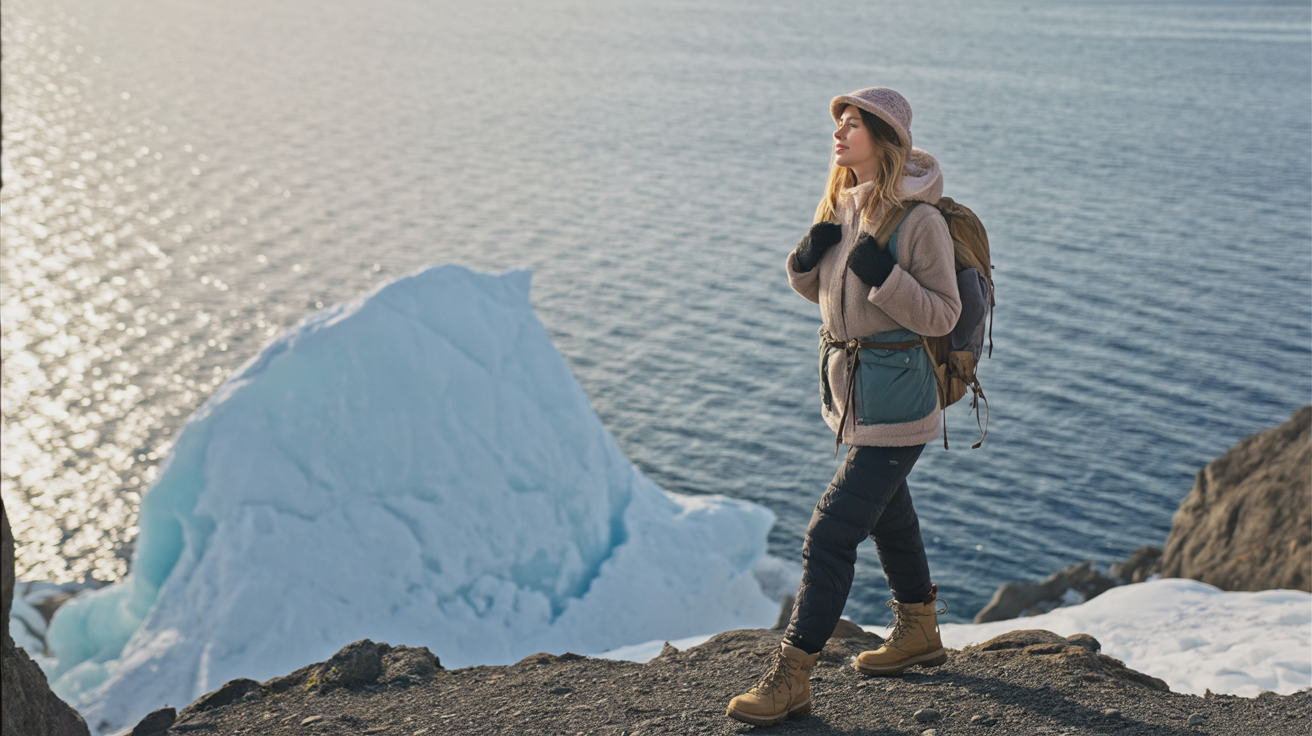
That mountain trail you scrolled past on Pinterest? Sunny in the photo, foggy and freezing when you actually get there. The beach you thought was calm? Completely different when the tide rolls in. Nature flips the script faster than your weather app can keep up.
The mistake a lot of nomads make: packing for a vibe instead of for reality. Cute sandals, white dresses, linen pants with no jacket. It looks good in photos… right up until you’re wet, shivering, and annoyed.
Here’s the fix: think layers. Quick-dry clothes, a light rain jacket that actually folds small, and shoes that you can walk in for hours. You don’t have to look like you’re hiking Everest—but you’ll thank yourself when a sunny hike suddenly turns into a chilly trek through clouds.
Nature is unpredictable. Packing smart isn’t boring—it’s what lets you stay out longer, see more, and still enjoy it.
2. Prioritizing Wi-Fi Over Experience
We’ve all done it—choosing the café with stronger Wi-Fi instead of the beach you came to see. Or saying no to a sunrise hike because you “should” answer emails. Work matters, of course. But if you only go where the Wi-Fi bars are strong, you’ll miss the places that could change you.
The fix is planning buffer days. Get ahead on projects, schedule your calls with time zones in mind, and give yourself permission to disappear from Slack for 24–48 hours. If you treat work as the only priority, you’ll leave without the memories you came for.
And let’s be real: clients and deadlines come and go. Watching the sun drop into a canyon? Standing under a waterfall? Those are once-in-a-lifetime moments. A little planning makes space for both—and you won’t regret choosing wonder when it’s right in front of you.
3. Not Researching Local Customs or Environmental Rules
Some things aren’t obvious until you cross a line. That quiet grove might be sacred land. That friendly monkey? Don’t feed it—locals know why. The wild has unspoken rules, and ignoring them can cause harm (even if you didn’t mean to).
The mistake is showing up like a tourist instead of a guest. It’s not just about looking respectful—it’s about being respectful.
The better way: do your homework. Learn basic etiquette. Ask locals what’s off-limits. Follow “leave no trace” guidelines: pack out what you bring in, stick to marked trails, don’t touch or take what doesn’t belong to you.
It’s a small shift, but it changes how you experience the place. Instead of consuming beauty, you become part of a respectful exchange. And trust me, that’s a much richer memory to carry home.
4. Forgetting to Pack Smart Safety Gear
You don’t need to carry a survivalist backpack. But skipping essentials is where people trip up—literally. Trails that look short or “easy” can surprise you with sudden drops, slick rocks, or longer detours.
The mistake: trusting your phone flashlight and a bottle of water.
The fix: pack light but smart. A first aid pouch with bandages and antiseptic. A flashlight (not just your phone). A compact rain jacket. An energy bar or two. And if you’re exploring remote trails, a small water filter straw is gold.
These things don’t take up much space, but they turn a potential emergency into “no big deal.” You’ll feel more confident, too—which makes it easier to enjoy where you are instead of worrying about what could go wrong.
5. Letting Content Creation Steal the Moment
Natural wonders have a way of pulling your camera out before your heart even has time to catch up. One shot leads to ten, then suddenly you realize you’ve been framing angles for half an hour but haven’t really looked.
The mistake: treating the experience like a content shoot instead of letting it sink in.
The better way: grab the photo, sure—but then put the phone down. Stay long enough to feel the spray of the waterfall, to smell the trees, to memorize the colors of the canyon.
You don’t need a hundred photos to remember it. You need to let your senses hold it, too. That’s what makes the memory last—not the perfect reel.
6. Pushing Yourself Past Your Limits
Adventure culture can make you feel like rest days are “weak.” But trying to squeeze in every summit, every dive, every hike? That’s how injuries and burnout happen.
The mistake: ignoring your body’s signals—tired legs, dehydration, that gut feeling saying “not today.”
The fix: build recovery into your plan. Take hammock days. Stretch. Read a book in the shade. Let go of the pressure to prove you’re adventurous enough.
Here’s the truth: adventure isn’t a competition. Nobody gets a medal for pushing past exhaustion. Listening to your limits doesn’t make you less adventurous—it makes the journey sustainable.
7. Thinking Nature Is a Backdrop, Not a Teacher
It’s easy to treat wild places like scenery—backdrops for your laptop selfies or your morning run. But nature isn’t passive. It’s alive, and it’s always communicating if you slow down enough to notice.
The mistake: consuming beauty without gratitude.
The better way: approach each place with curiosity and reverence. Notice the sound of the waves, the smell of the air, the way light shifts through trees. Treat the experience like a conversation, not a transaction.
The shift is subtle, but it changes everything. Instead of leaving with just photos, you leave with perspective. You realize nature isn’t just around you—it’s teaching you how to be in the world with more presence, patience, and awe.
Closing Thought
You don’t have to get it perfect—you just have to be present. Nature doesn’t care if your outfit matches, if you walked the fastest, or if your Wi-Fi held up. What it asks is that you notice, respect, and participate.
When you do, the memories you carry home won’t just be pictures on a screen. They’ll be stories in your body, lessons in your heart, and a little piece of the wild stitched into who you are.