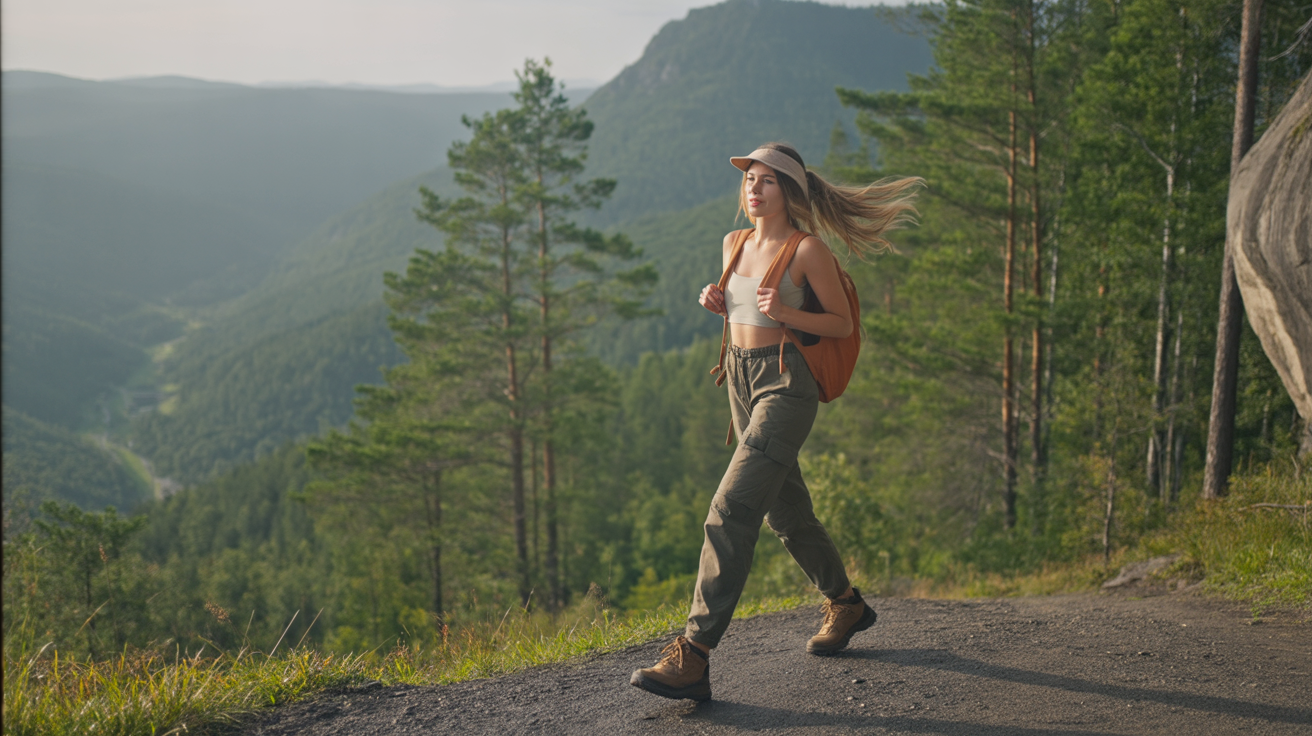
15 Best Nomadic Hiking Trails Around the World for Digital Nomads
There’s a special rhythm in hiking when you’re a digital nomad. The trail becomes both a reset and a reminder: lungs filling with crisp air in the morning, ideas sparking during long climbs, and deadlines waiting for you once you’re back in town. It’s a balance of wild landscapes and Wi-Fi signals, of solitude and Slack notifications. And when you find trails that honor both sides of that equation, the lifestyle suddenly clicks.
The best nomadic hikes aren’t just about views. They’re about logistics—access to towns with strong internet, safe paths for solo travel, and communities that welcome both hikers and remote workers. These trails let you chase adventure without sacrificing your workflow. They make it possible to log off at noon, summit by three, and still upload a finished project before dinner.
From volcanic ridges in Madeira to alpine meadows in the Dolomites, from Japan’s cedar-lined pilgrim routes to Patagonia’s granite spires, each of these trails offers more than scenery. They’re gateways into cultures, routines, and rhythms that enrich both your work and your wanderlust. Lace your boots, charge your power bank, and get ready—because your office view is about to stretch far beyond four walls.
Trail 1: Pico do Arieiro to Pico Ruivo – Madeira, Portugal
Madeira has earned its nickname as the “floating garden,” but for digital nomads, its real treasure is how easily wild adventure connects back to reliable urban life. Nowhere is this balance clearer than the PR1 trail linking Pico do Arieiro and Pico Ruivo, the island’s two highest peaks. This is a hike that feels otherworldly—knife-edge ridges, basalt staircases, and tunnels carved straight into volcanic rock—yet it’s less than an hour from Funchal’s fiber-fast coworking cafés. You can watch sunrise over a sea of clouds in the morning, then be back in town uploading work by lunchtime.
The challenge isn’t logistics—it’s conditions. Weather here changes without warning. I’ve seen hikes swing from calm sunrise to sideways rain and 50-kph winds in under an hour. That’s why smart hikers pack layers: a thermal mid-layer, waterproof shell, gloves, and a headlamp for tunnels and early starts. Poles help with steep descents, and a small drybag protects laptops or cameras in case of sudden showers.
Timing is key. Early taxis and organized shuttles make sunrise possible, but they also mean company. At dawn, the narrow ridges fill with other hikers, which can be reassuring if you’re solo—it’s busy but safe. If you’d rather avoid crowds, start mid-morning and accept that cloud cover may roll in. Either way, you’ll pass through a mix of dramatic stairways, winding tunnels, and sweeping panoramas that rival any alpine route.
For nomads, Funchal is the ideal base. Strong internet, affordable accommodation, and plenty of co-living spaces make it easy to blend trail days with work sessions. Many nomads use an early hike-work-evening social rhythm here: trail at sunrise, coworking after lunch, and dinner in the old town.
The reward of PR1 isn’t just the views, though they’re unforgettable—it’s the reminder that you don’t have to choose between summit and stability. In Madeira, you can have both.
Trail 2: Tongariro Alpine Crossing – New Zealand
The Tongariro Alpine Crossing is often called the best one-day hike in New Zealand, and it earns the hype. Over 19 kilometers, you traverse volcanic craters, pass steaming vents, and gaze down on emerald lakes that shimmer like jewels against stark pumice slopes. For digital nomads, it’s an adventure that fits neatly into a single day, with nearby towns offering reliable Wi-Fi and plenty of post-hike comforts.
The trail is point-to-point, which means you’ll need to arrange transport. Shuttles from Taupō, Turangi, or National Park Village are the easiest option, and Taupō in particular works well as a nomad base thanks to its lakeside coworking spots, good cafés, and affordable accommodation. The hike itself takes 6–8 hours depending on pace, so it’s realistic to log a work block the day before, hike, and then return to productivity after a rest day.
The biggest challenge here is exposure. Much of the trail is above the treeline with little shelter. Weather can change rapidly: a sunny morning can shift to freezing winds or rain in minutes. Pack layers, including a windproof shell, hat, and gloves, and don’t skimp on sun protection—UV is fierce at altitude. Carry at least 2 liters of water and plenty of snacks; there are no refills or food stalls once you’re on the route.
Trail conditions are demanding but not technical. Expect long climbs (notably up the “Devil’s Staircase”), scree descents, and uneven surfaces that test balance and stamina. Trekking poles help, especially for knees on the downhill stretches. Fit hikers can move steadily, but don’t underestimate the distance—fatigue hits harder when combined with volcanic terrain and exposure to wind.
For nomads, the key is planning your work schedule around the hike. Avoid cramming it between meetings; instead, treat it as a reset day. Download maps in advance since phone coverage is patchy, and set expectations with clients or teammates that you’ll be offline until evening.
The reward is unforgettable. Standing on the ridgeline above the Red Crater, with the emerald lakes gleaming below and Mount Ngauruhoe (Mount Doom to “Lord of the Rings” fans) looming nearby, you understand why this is considered one of the world’s top hikes. It’s intense, raw, and spectacular—and at the end of the day, you’re only a short ride away from Wi-Fi and a hot meal.
Trail 3: Laugavegur Trail – Iceland
The Laugavegur Trail is short by long-distance standards—just 55 kilometers—but it packs more variety into those days than many treks ten times the length. You move through steaming hot springs, neon-green moss valleys, black obsidian deserts, and rhyolite mountains painted in pastels. For digital nomads, it’s a rare chance to experience wild, cinematic landscapes while still keeping Reykjavik within logistical reach for workdays before or after the hike.
The biggest challenge here isn’t distance, it’s weather. Iceland is unpredictable: snow can fall in July, and rain can sweep in without warning. Wind often whips across ridgelines strong enough to test your balance. That means preparation is everything. Waterproof layers, warm base clothing, and sturdy boots aren’t optional. Even your pack should be weatherproofed with drybags—if your laptop or camera is stashed in your gear, don’t take chances.
Accommodation on the trail is hut-to-hut, with rustic dorm-style spaces that offer shelter, cooking facilities, and a communal vibe. They sell out months in advance, especially in July and August, so booking early is essential. Camping is allowed near huts if you want more flexibility, but you’ll need a solid tent that can handle heavy wind. Either way, self-sufficiency is the norm—carry food, layers, and a reliable map app with offline functionality.
For nomads, Reykjavik is the natural hub. The city has coworking spaces, fast internet, and shuttle buses that run to and from the trailheads. Many nomads plan a “sandwich” itinerary: a few focused workdays in the city, then a four-day trek, followed by another work block in Reykjavik or even an onward flight. It’s a rhythm that makes Iceland’s high prices more manageable and ensures deadlines don’t compete with ridgelines.
The Laugavegur isn’t just about hiking; it’s about contrast. One morning you’ll be soaking in a geothermal pool, the next you’ll be crossing an ash plain that feels like Mars. It’s challenging but compact, immersive but accessible. And when you step off the trail, you don’t feel like you’ve just hiked—you feel like you’ve traveled through different planets. For nomads, that intensity makes it perfect: maximum adventure in a timeframe that still leaves space for work.
Trail 4: Tour du Mont Blanc – France, Italy, Switzerland
The Tour du Mont Blanc is a rite of passage for hikers—a 170 km loop circling Western Europe’s highest peak, crossing through France, Italy, and Switzerland. It’s a trek that blends rugged alpine passes with cultural variety: espresso bars in Italy, flower-filled meadows in France, and sweeping glacier valleys in Switzerland. For digital nomads, it’s appealing not just for its beauty but for its infrastructure. The route is well-serviced, dotted with villages, refuges, and transport options that make balancing work and hiking genuinely possible.
The full circuit takes 9–11 days, but you don’t have to commit to all of it. Many nomads hike sections as day trips, basing themselves in Chamonix (France) or Courmayeur (Italy). Both towns offer reliable internet, coworking spaces, and lively communities of travelers. From there, cable cars and buses make trail access easy. This flexibility means you can adjust: push for multiday trekking when your workload is light, or keep it to single-day adventures when deadlines stack up.
The challenge is logistics. Refuges and huts need to be booked months in advance in peak season (July and August), and beds sell fast. Carrying cash is wise—many smaller huts don’t accept cards. Fitness is another factor; even day sections can involve 1,000 meters of elevation gain. Trekking poles, sturdy boots, and a willingness to start early will make long climbs more manageable.
Weather plays its role too. Late June through September offers the safest conditions, with snow mostly cleared from the high passes. Even then, storms can build quickly, and fog can drop visibility to just a few meters. Waterproofs, thermal layers, and a map app with downloaded routes are non-negotiables.
The reward is the variety. One day you’re sipping cappuccinos in Courmayeur; the next, you’re crossing a high col with ibex grazing nearby. Evenings in refuges are social and warm, with hearty meals served family-style. For nomads, it’s a rare chance to immerse in mountain culture without losing touch with work—log a project from Chamonix, then hit the trail the next day. The Tour du Mont Blanc isn’t just a hike; it’s an experience of three countries in one rhythm, proving you can live nomadically without compromise.
Trail 5: West Highland Way – Scotland
The West Highland Way is Scotland’s most famous long-distance trail, stretching 154 km from Milngavie (just outside Glasgow) to Fort William. Along the way, it threads together lochs, moorlands, heathered hills, and cozy inns that feel lifted from old travel journals. For digital nomads, it’s a forgiving introduction to long-distance hiking: well-marked, dotted with villages, and easy to split into manageable sections that fit around your work schedule.
The appeal here is balance. You can spend a morning hiking past Loch Lomond, check into a guesthouse with Wi-Fi by afternoon, and still send client updates before dinner. Glasgow itself is an excellent staging point—coworking hubs, gear shops, and quick public transport to the trailhead make prep seamless. From there, accommodation ranges from campsites and bunkhouses to B&Bs and historic inns, many of which are hiker-friendly and budget-conscious.
Weather is the biggest wildcard. Scotland’s climate is famously unpredictable: rain showers, bursts of sun, and rolling mist often share the same hour. Waterproof layers are essential, not optional. So is protecting your tech—drybags or a waterproof liner will save your laptop from disaster. Summer offers long daylight hours but also midges, the tiny biting insects that drive unprepared hikers crazy. Late spring (May–June) and early autumn (September) are the sweet spots: cooler weather, fewer crowds, and less insect hassle.
For nomads, pacing is key. The full route takes about a week, but it’s easy to break into shorter sections using buses and trains. Some hikers focus on the southern portion near Loch Lomond, others push to Fort William to link with Ben Nevis or the Jacobite Steam Train. Whatever your approach, give yourself margin—days that mix hiking with lighter workloads or even rest days to enjoy the landscape without pressure.
The West Highland Way is less about conquering peaks and more about soaking in a landscape that changes slowly but profoundly. Heather fields, stone bridges, and quiet lochs create an atmosphere that’s reflective rather than extreme. And when you finish a day’s walk with a pint in a local pub and Wi-Fi to catch up on emails, you realize why this trail works so well for nomads: it invites both effort and ease, without asking you to sacrifice one for the other.
Trail 6: Alta Via 1 – Dolomites, Italy
The Alta Via 1 is the Dolomites distilled into one trail: pale limestone towers, teal alpine lakes, and rifugi (mountain huts) perched in impossibly scenic spots. Stretching about 120 km from Lago di Braies to Belluno, it takes around 10 days to walk in full. But for digital nomads, the real advantage is that it’s highly modular—you can choose just a few sections, base yourself in a connected town like Cortina d’Ampezzo, and still experience the magic without vanishing offline for weeks.
Cortina is the hub. With strong Wi-Fi, plenty of cafés, and a growing community of seasonal nomads, it offers everything you need to balance work with hiking. Mountain buses connect Cortina with trailheads daily in summer, making day or overnight trips easy. Many nomads follow a rhythm: deep work in the mornings, an afternoon trail loop, and evenings spent catching up in town. Others take short hut-to-hut stretches, treating rifugi as both hiking accommodation and digital detox retreats before diving back online.
The challenge here isn’t connectivity but conditions. Trails are well-marked but can be demanding—loose scree, airy ridges, and steep ascents. Trekking poles are invaluable, and sturdy footwear is a must. Summer storms roll in quickly, so early starts pay off, and cash is essential as many rifugi still operate offline. Reservations should be made months in advance for July and August, as huts fill fast.
Gear strategy matters: pack light but include layers. Even in high summer, mornings can be cold, and weather can swing from blazing sun to hail in an hour. A small drybag for your laptop or camera is wise if you’re mixing hiking with work gear. If you’re carrying only a daypack, rifugi provide hearty meals and bedding—making it possible to travel light and move faster.
What makes the Alta Via 1 stand out is its accessibility. You’re never too far from a bus route back to Cortina, yet the landscapes feel truly wild—limestone walls glowing at sunrise, emerald valleys tucked between jagged ridges, and the comforting aroma of espresso greeting you at mountain huts. For digital nomads, it’s the perfect middle ground: a high-alpine adventure that still bends to the rhythm of your work.
Trail 7: Kumano Kodo – Japan
The Kumano Kodo isn’t just a hike; it’s a cultural immersion. This UNESCO World Heritage pilgrimage network winds through the Kii Peninsula’s cedar forests, linking shrines, hot springs, and small villages that have welcomed travelers for over a thousand years. For digital nomads, it’s an ideal mix of physical challenge, cultural depth, and modern convenience. You can walk spiritual paths by day and still upload work from a guesthouse with Wi-Fi by evening.
The core routes vary in length, from short day hikes to multi-day treks like the Nakahechi, which connects Tanabe with the Kumano Hongu Taisha Grand Shrine. Trails are well-marked, but expect steep ascents and descents—it’s less about distance and more about stamina. For nomads, the advantage is flexibility: you can choose shorter segments when work is heavy or string together longer routes when you want a deeper retreat.
Evenings are part of the magic. Many accommodations are traditional ryokan or minshuku, where you’ll enjoy home-cooked meals and, often, an onsen soak to ease sore muscles. Wi-Fi is common in towns like Tanabe and Katsuura, though don’t count on strong connections deep in the mountains. To stay productive, plan work blocks before and after hiking days, and download necessary files in advance.
Seasonality plays a big role. Spring brings cool weather and lush green forests, while autumn sets the trails ablaze with red and gold leaves. Summer can be humid and tiring, while winter sees quieter paths but colder nights. No matter the season, pack light layers, rain protection, and a small drybag for tech.
Logistics are straightforward. Tanabe is the usual starting hub, offering solid internet, co-living options, and easy transport to trailheads. Luggage forwarding services let you hike light, making it possible to carry only day essentials. This is a huge benefit for nomads—you can balance a hike in the morning with meaningful work in the evening without being completely wiped from hauling a heavy pack.
What sets the Kumano Kodo apart is its rhythm. Unlike big alpine trails, this isn’t about speed or summits. It’s about moving slowly, letting the cedar-scented air clear your head, and seeing how cultural history and natural beauty blend seamlessly. For a nomad, it’s both grounding and practical: a hike that refreshes your perspective without pulling you fully offline.
Trail 8: Lycian Way – Turkey
The Lycian Way is a coastal epic—over 500 km of turquoise seas, pine forests, and ancient ruins scattered across Turkey’s southern coast. For digital nomads, it’s less about completing the full route and more about choosing the most rewarding sections near vibrant bases like Fethiye or Kaş. These towns offer coworking cafés, reliable internet, and a strong traveler community, making it easy to weave work and hiking into one lifestyle.
The trail itself is a mix of rugged paths, coastal viewpoints, and historic remnants of Lycian tombs and Roman theaters. It’s well waymarked with red-and-white blazes, but don’t expect smooth terrain. Sections can be rocky, exposed, and steep, so sturdy footwear and trekking poles are smart investments. Elevation gain sneaks up on you here—what looks like a gentle coastal stroll can turn into a thigh-burning climb.
The gift for nomads is flexibility. Buses and taxis run between villages, so you can dip in and out of sections without committing to weeks on the trail. Many hikers do 2–4 day stretches, staying in family-run pensions or camping in scenic spots, then returning to town for work blocks. This rhythm keeps your energy balanced: adventure in bursts, stability when you need focus.
Spring (April–May) and autumn (October–November) are ideal seasons—warm enough for swims, cool enough for long hiking days, and free from the oppressive summer heat. Carry sun protection year-round, and always bring more water than you think; refill points can be spread out on certain stretches. A lightweight filter adds peace of mind.
For nomads, packing smart is key. A laptop in your main accommodation, with only essentials on the trail, reduces both weight and risk. Many pensions are used to hikers and will happily store gear while you explore. In Kaş, you’ll even find coliving setups where it’s normal to see laptops out at breakfast before hikers set off.
The Lycian Way isn’t just about landscapes; it’s about connections. You’ll pass through villages where locals greet you with tea, share fruit from their gardens, or point you toward the trail when it disappears between olive groves. It’s cultural immersion at trail speed. For digital nomads, it’s proof that work and wonder can fit into the same week—emails one day, ruins above turquoise bays the next.
Trail 9: Mestia to Ushguli – Svaneti, Georgia
The Mestia to Ushguli trek is Georgia’s crown jewel—a four-day journey through the Caucasus that feels both remote and welcoming. Snow-capped peaks rise above medieval stone towers, cows graze beside dirt paths, and every night ends in a family-run guesthouse where home-cooked meals wait. For digital nomads, it strikes a rare balance: rugged beauty paired with a local culture that makes you feel instantly included, plus a base town (Mestia) with reliable enough internet to keep your work rhythm intact.
The trail itself isn’t technically difficult, but it’s varied. Expect long valley walks, steady climbs to passes, and occasional muddy sections after rain. Elevation can be demanding, so a base level of fitness helps, but the route is accessible to most with preparation. Trails are well-trodden, and in peak season (June–September), you’ll rarely be alone—both locals and other hikers will point you right if you drift off track. Offline maps are still a must, as signage is inconsistent.
The highlight for nomads is the hospitality. Guesthouses double as cultural immersion—think wood-heated rooms, communal dinners with endless khachapuri and wine, and Wi-Fi that’s basic but workable for checking messages and sending smaller files. Don’t expect to run video calls mid-hike, but you can reliably reconnect once you’re back in Mestia. Many nomads plan a rhythm: 4–5 days of trekking, followed by a solid work block in town.
Ushguli, the endpoint, is Europe’s highest continuously inhabited village and a UNESCO site. Surrounded by peaks, it feels frozen in time yet warmly lived in. From there, shared jeeps run back to Mestia, making logistics simple.
Gear-wise, waterproof boots are essential, as trails often cut through streams or wet meadows. Layers are key—sunburn one afternoon can give way to freezing winds the next morning. Pack cash, as guesthouses and transport are cash-only. And don’t underestimate how filling Georgian meals are; snacks become optional when every stop serves feasts.
What makes this trek special isn’t just the scenery—it’s the feeling of being part of something timeless. You walk through landscapes shaped by glaciers and villages that have stood for centuries, yet you end each day with modern comforts: Wi-Fi, a warm bed, and a sense of belonging. For nomads, that mix of remoteness and connection is rare, and it’s what makes Mestia to Ushguli unforgettable.
Trail 10: Pacific Crest Trail (Oregon Sections) – USA
The Pacific Crest Trail is legendary for its sheer length—over 4,200 km from Mexico to Canada—but you don’t need six months off to experience its magic. Oregon’s sections offer nomads a perfect taste: volcanic cones, alpine lakes, and cool lodgepole forests that can be explored in days instead of months. You get the essence of the PCT—big scenery, long horizons, and trail camaraderie—without vanishing from work for a season.
Oregon stands out for accessibility. Towns like Bend and Ashland make excellent hubs for nomads, both known for fast internet, coworking spaces, and outdoor-friendly culture. From there, you can access popular stretches such as the Three Sisters Wilderness or Crater Lake Rim. Shuttle services and trail angels (locals who support hikers) make logistics easier than you’d expect for such wild terrain.
The main challenge is seasonality. July to September is the prime window, with snow mostly melted and long days to hike. But summer also brings wildfire risks, which can close sections with little notice. Always check trail association updates before setting out, and have backup plans ready. Heat and smoke can be just as limiting as snow, so flexible scheduling is key if you’re tying hikes into your work routine.
Water planning matters here too. Some Oregon stretches have long dry sections, so carry a filter and map out reliable sources in advance. This adds weight, but it’s non-negotiable. A hydration bladder or multiple bottles makes it easier to spread the load.
Tech and work-wise, treat the PCT as an offline zone. Don’t count on connectivity mid-trail—download maps, sync work, and communicate availability before you go. The rhythm many nomads use is simple: hike for 2–3 days, then return to town for showers, Wi-Fi, and focused work blocks. It’s a reset cycle that keeps both adventure and productivity sustainable.
The PCT in Oregon is about scale. You feel the vastness of the American West without committing your entire year to it. And when you step off the trail, you’re not just carrying dust—you’re carrying a renewed sense of perspective, ready to sit down in a café in Bend or Ashland and turn that clarity into work.
Trail 11: El Chaltén Day Hikes – Patagonia, Argentina
El Chaltén is Patagonia’s self-declared trekking capital, and it earns the title. This small town sits at the foot of the Fitz Roy range and offers world-class day hikes right from its edge. For digital nomads, it’s a dream setup: you can roll out of bed, grab a coffee with Wi-Fi, and be on the trail within minutes—then return by evening to catch up on work. No buses, no long transfers, just seamless access to jaw-dropping landscapes.
The two headline hikes are Laguna de los Tres and Laguna Torre. Laguna de los Tres delivers the iconic sunrise view of Mount Fitz Roy glowing pink above a turquoise glacial lake. It’s a demanding climb, especially the final steep stretch, but the payoff is unforgettable. Laguna Torre is gentler, winding through valleys to a lagoon framed by Cerro Torre’s spire and drifting icebergs. Both can be done in a day, making them perfect for fitting adventure around a nomad’s schedule.
The challenge here is weather. Patagonia is notorious for high winds and sudden changes—clear skies can vanish into driving rain within minutes. Always carry layers: a windproof shell, thermal base, gloves, and a hat. Waterproof protection for your laptop and gear is essential if you’re moving between town and trail with tech in your bag. Start early in the morning when winds are calmer, and don’t hesitate to turn back if conditions shift.
El Chaltén itself caters to nomads surprisingly well for a remote town. Cafés and restaurants often provide decent internet, and guesthouses understand the mix of hikers and remote workers passing through. It’s not fiber-fast, but it’s workable for emails, file uploads, and most creative tasks. Many nomads use a rhythm of hiking one day, working the next, alternating to stay balanced.
What makes El Chaltén unique is the integration. You don’t have to choose between “hiking trip” and “work week.” Here, they coexist. You can chase a sunrise view of Fitz Roy, spend the afternoon editing photos or writing with mountain light still fresh in your mind, and then join fellow travelers for dinner. Few places in the world make it so easy to merge wilderness with workflow—and that’s why El Chaltén earns its reputation.
Trail 12: Everest Base Camp – Nepal
Few treks carry the weight of Everest Base Camp. At 5,364 meters, it’s not the summit but the gateway, a place where climbers launch dreams and trekkers stand in awe of the world’s tallest mountain. For digital nomads, it’s more than a bucket-list hike—it’s a test of endurance, planning, and balance. You can’t treat this one casually, but with the right preparation, it’s a life-changing experience that fits into a nomadic rhythm.
The trek begins with a flight into Lukla, famous for its short runway and mountain views. From there, it’s a 12–14 day round trip through Sherpa villages, across suspension bridges, and into increasingly high-altitude terrain. The challenge isn’t the technical difficulty—most of the trail is well-worn—but the altitude. Acclimatization days are essential. Skip them, and you risk altitude sickness that can end your trek early.
Accommodation is in teahouses: simple lodges run by local families. They offer hot meals, warm beds, and often surprisingly social evenings as trekkers gather to swap stories. Wi-Fi is available for a fee, but expect it to be slow and unreliable—fine for messages, not for video calls. Power outlets often cost extra, so bring a high-capacity power bank. The smarter strategy is to set clear expectations with clients before you go: let them know you’ll be offline for stretches, and schedule deadlines around that window.
The best trekking seasons are pre-monsoon (March–May) and post-monsoon (October–November), when skies are clearer and temperatures more stable. Even then, mornings can be freezing, and afternoons hot under the sun. Layering is key. Boots with good ankle support, trekking poles, and a reliable down jacket are non-negotiables. And for nomads bringing tech, keep laptops and drives in padded, waterproof cases—dust and bumps are guaranteed.
The reward goes beyond Base Camp itself. It’s the prayer flags strung across high passes, the sound of yak bells echoing in valleys, the warmth of Sherpa hospitality, and the perspective that comes from walking among the highest peaks on Earth. For nomads, it’s not a place to stay connected, but to disconnect—and return to your work with a deeper sense of focus. The Everest trek isn’t about multitasking; it’s about remembering why you chose a lifestyle that lets you chase both ambition and awe.
Trail 13: Portuguese Coastal Camino – Portugal to Spain
The Portuguese Coastal Camino is one of the most nomad-friendly long-distance hikes in Europe because it combines the best of both worlds: dramatic Atlantic scenery and a trail that threads directly through towns with all the amenities you need to work and recharge. Stretching from Porto to Santiago de Compostela, this route swaps rugged wilderness for rolling boardwalks, fishing villages, and cliffside horizons that make each stage as cultural as it is scenic.
The beauty for digital nomads lies in flexibility. Unlike remote alpine trails, the Camino is never far from civilization. You’ll pass through towns almost daily, which means steady Wi-Fi, cafés to work from, and guesthouses that don’t blink at travelers carrying laptops alongside boots. If you’re mid-project, you can scale the hike to your workload: take shorter stages when deadlines loom, or push farther when your calendar opens up. Luggage transfer services also make it possible to carry only a light daypack—an absolute gift if you want to hike in the morning and work in the afternoon without arriving completely wiped.
Timing matters. Spring and autumn are the sweet spots—milder weather, fewer crowds, and better conditions for mixing hiking with work. Summer brings long daylight hours but also intense heat and tourist traffic. Rain is possible year-round, so a packable shell is essential, as is a waterproof cover for tech. The Atlantic can be moody, but watching waves crash as you follow coastal boardwalks more than makes up for it.
Accommodation is plentiful. From simple pilgrim albergues to boutique guesthouses, you can adjust your stay to fit your budget and work style. Some nomads base themselves in Porto or Vigo and tackle sections as day hikes, combining trail time with urban coworking spaces. Others walk the full distance, turning it into a hybrid pilgrimage and work-retreat. Either way, there’s no shortage of friendly faces; the Camino attracts an international crowd, which makes solo travel safe and sociable.
This isn’t just a trail—it’s a moving lifestyle experiment. You’ll test how well you can blend walking, working, and connecting with locals all in one flow. By the time you reach Santiago, you’ll have logged not only kilometers but also proof that nomadic life doesn’t need to choose between productivity and pilgrimage.
Trail 14: MacLehose Trail – Hong Kong
The MacLehose Trail is one of Hong Kong’s best-kept secrets: 100 kilometers of beaches, peaks, and forest within an hour of one of the world’s most connected cities. For digital nomads, it’s an almost surreal mix—you can hike wild ridgelines in the morning and be back in a high-rise coworking space by the afternoon. Few trails worldwide offer this kind of contrast, which makes it perfect for nomads who want adventure without losing urban convenience.
The trail is divided into 10 sections, so you can tackle it in manageable chunks depending on your workload. Sai Kung Peninsula, with its jade bays and quiet beaches, is the most famous stretch, while Tai Mo Shan (Hong Kong’s highest peak) offers cooler air and wide views of the city skyline. Each section is well-marked, with regular transport links that let you start or finish almost anywhere. That means you can fit a half-day hike between work sessions without worrying about being stranded.
Challenges here are less about remoteness and more about climate. Autumn and winter (October to March) are the best times to hike: cooler, drier, and clearer. Summer brings heat, humidity, and the risk of typhoons, making long hikes draining and potentially unsafe. Carry at least 2 liters of water, use strong sun protection, and don’t underestimate how much the humidity can sap your energy. Waterproofing your tech is smart, too—unexpected downpours are common.
Accommodation isn’t an issue if you’re based in the city. Most nomads stay in Kowloon or Hong Kong Island, using the excellent public transport system to reach trailheads. If you want to immerse more deeply, there are campsites along the route, but most nomads prefer to return to the city for Wi-Fi and comfort.
What makes the MacLehose so special is the duality. One moment you’re on a ridge looking over untouched coastline, the next you’re on a double-decker bus back to one of the world’s busiest business hubs. It’s a reminder that you don’t have to choose between city life and wilderness—they can sit side by side. For digital nomads, that balance is the dream: freedom to hike wild landscapes, with the certainty that fast internet and a hot meal are never far away.
Trail 15: Sentiero Azzurro – Cinque Terre, Italy
The Sentiero Azzurro, or “Blue Trail,” links the five pastel villages of Italy’s Cinque Terre with cliffside paths overlooking the Ligurian Sea. At just 12 km in total, it’s short compared to most long-distance hikes, but the cultural and scenic payoff is enormous. For digital nomads, it’s a trail that delivers Mediterranean charm without pulling you too far from strong Wi-Fi, excellent coffee, and some of the most photogenic work breaks in the world.
The trail is divided into four sections, with each connecting two villages. You don’t need to hike them all at once—many nomads choose one or two in a day, then settle into a café in Monterosso or Vernazza to work for the afternoon. The Cinque Terre Card covers both trail access and the trains that run between villages, so you can easily hop off for a work session, then continue hiking later. That flexibility makes it one of the easiest trails to integrate into a nomadic lifestyle.
Challenges here aren’t about remoteness but about crowds and terrain. In peak summer, narrow paths fill quickly, and temperatures soar. Spring (April–May) and autumn (September–October) are the sweet spots—cooler weather, fewer tourists, and brighter light for photography. The trail itself involves plenty of steps and steep climbs, so good shoes are still essential. Carry water, as not every village has refill points near the trailhead.
For work, La Spezia is the best base. It’s just outside the park, offers affordable stays, and has reliable internet and coworking spots. If you prefer to stay in one of the villages, Monterosso has the strongest infrastructure, though Wi-Fi can still be patchy in smaller guesthouses. Plan heavier work blocks in La Spezia, and treat the villages as lighter, more scenic bases.
What makes the Sentiero Azzurro unique is how seamlessly it blends culture, nature, and accessibility. One moment you’re climbing through lemon groves, the next you’re sipping an espresso in a centuries-old piazza, laptop open beside you. For nomads, it’s proof that hiking doesn’t always have to mean remoteness—sometimes the best trails are those where adventure and everyday comforts meet on the same path.
Closing Thought
Nomadic hiking isn’t about chasing the hardest trails or the most remote peaks—it’s about finding routes that let you keep both halves of your life in balance: the explorer and the worker, the dreamer and the doer. The trails on this list prove you don’t have to choose. You can climb ridges at sunrise, then log into a meeting with the glow of the mountains still in your mind. You can walk ancient paths, then upload a project from a café two hours later.
The key is choosing places that serve your lifestyle as much as your wanderlust. Trails with nearby towns, coworking spots, and communities of travelers mean you can keep your work consistent while feeding your sense of adventure. The mistakes most people make—overpacking, overplanning, or expecting perfect conditions—fade when you accept hiking as an extension of nomadic life: sometimes messy, sometimes unpredictable, but always rewarding.
At its best, nomadic hiking gives you perspective. The quiet rhythm of your steps, the wide-open views, and the cultural encounters all remind you why you chose this path: freedom, flexibility, and the chance to live fully on your own terms. Every trail becomes more than a route—it becomes a chapter in your story. And the beauty is, the next one is always waiting.