Why “Work-Life Balance” Doesn’t Apply to Nomads
Forget the neat 9–5 and evening yoga class. As a digital nomad, your days don’t split into tidy categories. You answer client calls from coffee shops, edit content on buses, and sometimes rest in the middle of a Wednesday. The old “balance” doesn’t fit here—and trying to force it often leads to burnout, not alignment. The truth? Nomadic living isn’t about balancing work and life. It’s about blending them with intention.
Traditional Balance Assumes You’re in One Place
Work-life balance was built for static lives. For office commutes and weekend boundaries. But when your location, timezone, and workspace change weekly, flexibility becomes the real foundation—not rigid scheduling.
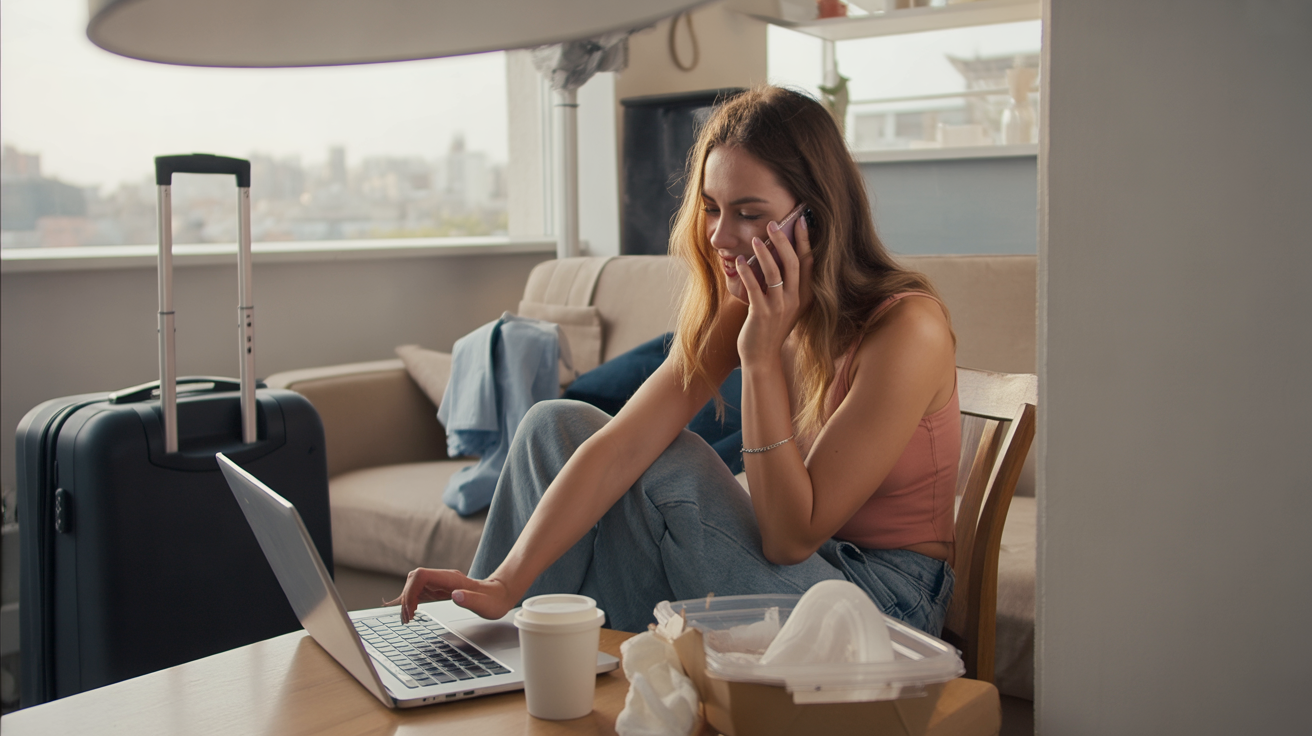
I realized this sitting in a train station, laptop open, waiting for a delayed departure. Back home, balance was about turning off work at 5 p.m. and reclaiming evenings. On the road, that model didn’t fit. My “office” was wherever WiFi appeared, and my “weekend” might fall on a Tuesday because flights were cheaper. At first, I resisted. I kept trying to mimic the old patterns. But eventually, I saw the gift: balance didn’t have to look the same—it just had to feel supportive.
When your life is in motion, balance becomes less about fixed hours and more about flexibility. Less about drawing rigid lines, more about creating fluid rhythms that adjust as you do.
Traditional balance belongs to static lives. Nomad balance belongs to the ones willing to flow.
Your Days Don’t Need to Look the Same to Be Aligned
Some days are full of creative energy. Others are made for hammocks and books. Balance for nomads means listening—creating space when you have capacity, and resting without guilt when you don’t. Rhythm replaces routine.
I remember one week in a beach town where I spent two straight days writing, words pouring out effortlessly. By the third day, I had nothing left. Instead of forcing productivity, I gave myself permission to rest. I swam, read novels, watched the waves. The following morning, my creativity returned with fresh energy.
Alignment isn’t about doing the same thing every day—it’s about honoring what each day asks of you. Some seasons are about building, others about replenishing. Both matter.
When you allow rhythm to replace rigid routine, balance stops being about control. It becomes about trust—trusting yourself to know what you need, and trusting the work will flow when you’re aligned.
Freedom Means You Get to Design a Life That Works for You
Nomad life gives you the chance to reimagine everything. You don’t need to mimic traditional schedules. Want to take Fridays off and work Sunday mornings? Do it. Your balance is valid if it feels good to you.
I once stayed in a mountain town where mornings were magical—quiet, mist rising, birdsong soft in the distance. I shifted my work hours to start at dawn and end by midday so I could hike in the afternoons. Back in a city, my rhythm flipped—I slept in, worked late evenings, and filled daylight hours with exploration. Neither schedule matched the “9–5,” but both supported me.
Balance for nomads is self-designed. It’s the freedom to shape your days around what fuels you, not what tradition prescribes.
The beauty of this lifestyle is that you get to choose. And choosing what feels aligned is the most powerful definition of balance you’ll ever find.
The Real Challenge Is Presence, Not Productivity
Balance isn’t about managing your hours—it’s about managing your attention. Being fully in your work when you’re working. Fully off when you’re resting. You don’t need stricter hours—you need softer boundaries and deeper presence.
I learned this after weeks of half-working, half-resting—scrolling between emails and sunsets, neither fully engaged. It left me drained and dissatisfied. One day, I made a new rule: laptop closed meant no work thoughts, no exceptions. The difference was instant. My work hours sharpened with focus, and my rest hours felt rich and restorative.
Presence is the true challenge of nomadic balance. It’s not about tracking minutes but about honoring moments.
When you show up fully for whatever you’re doing, balance happens naturally. Because you’re no longer split in two—you’re whole in each space.
What You Really Need Is Integration, Not Separation
Work and life can co-exist in harmony. The magic happens when your life feeds your work, and your work supports your life. When you stop separating them, and start designing both around what lights you up.
One evening, after a full workday, I joined a cooking class in a local home. As we chopped vegetables and shared stories, I realized how much that experience would enrich my next article. The line between “life” and “work” blurred beautifully. My experiences fueled my creativity, and my creativity gave meaning to my experiences.
For nomads, integration is balance. It’s not work on one side and life on the other—it’s the weaving together of both.
When you stop chasing separation, you start designing integration. And that’s where the lifestyle stops being a juggling act and starts being art.
Balance Sometimes Means Choosing Less, Not More
It’s tempting to say yes to everything—a new city every week, endless projects, constant social invites. But balance often comes from choosing less. From creating space instead of filling it.
I learned this while staying in a bustling hub where every day offered opportunities: workshops, coworking meetups, day trips, dinners. At first, I tried to keep up, squeezing it all in. Within days, I was exhausted, barely present for any of it. Finally, I slowed down. I chose one or two things that felt nourishing and let the rest go. Immediately, my days felt lighter, calmer, more aligned.
Balance isn’t about cramming more in. It’s about discerning what truly matters to you in this moment, and letting go of what doesn’t.
Saying no isn’t closing doors—it’s creating room for depth. And depth is where balance lives.
Your Body Will Always Tell You What You Need
It’s easy to build your days around deadlines and to-do lists. But real balance starts when you listen to your body—because your body will always tell you what you need, if you’re willing to hear it.
I noticed this after weeks of pushing through fatigue with caffeine and late nights. One morning, instead of forcing myself to open the laptop, I listened. My body wanted movement. So I walked through a nearby park, breathing slowly, letting my shoulders drop. By the time I returned, my mind was clearer, my energy lighter, my work smoother.
Balance doesn’t begin with a calendar—it begins with awareness. Am I tired? Am I hungry? Am I craving stillness or movement? When you honor those signals, your days naturally fall into rhythms that sustain you.
Your body is the wisest compass you have. Let it guide you, and balance will follow.
Closing Thought
Balance for nomads isn’t about compartments—it’s about connection. It’s about trusting that your needs might change weekly, and that honoring that is the rhythm. You weren’t meant to copy a corporate structure while living a wild, free life. You were meant to create a version of balance that actually fits.