Why Slowing Down Makes You a Better Nomad
At first, you want to see everything. Every country. Every sunset. Every cute café pinned on your “dream spots” board. But eventually, the thrill turns into fatigue. The world blurs. You forget where you are. Until you finally choose to slow down—and everything softens. Your breath. Your nervous system. Your connection to place, people, and purpose. Slowing down doesn’t mean you’re doing less. It means you’re finally living fully.
You Start to Feel the Places You Visit—Not Just See Them
When you stay longer, the city becomes yours in quiet ways. The barista learns your name. You discover hidden alleys not listed on Google Maps. You stop being a visitor—and start becoming present.
Short stays often leave you skimming the surface: rushing between landmarks, checking off lists, and barely scratching the soul of a place. But when you slow down, something subtle shifts. The city stops being a backdrop for your photos and starts becoming part of your daily rhythm. You notice the way the light falls differently each morning, or the smell of fresh bread on your walk to the café. You notice how a neighborhood hums with its own patterns—sounds, smiles, and silences that you’d never catch in a few hurried days.
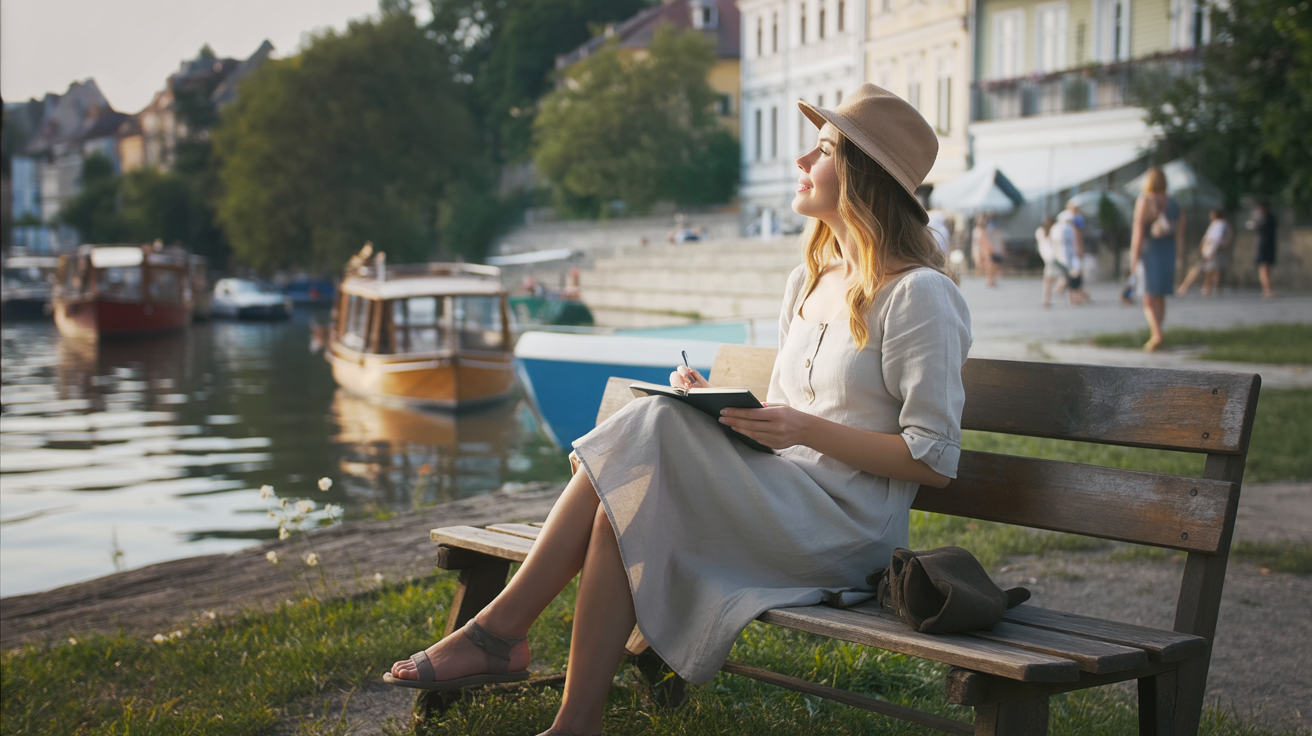
Slow travel turns seeing into feeling. You don’t just pass through—you participate. You begin to create your own rituals: ordering coffee from the same spot, walking the same winding streets, sitting on the same park bench where locals gather in the evenings. These routines weave you into the fabric of the city, making you more than a visitor.
It’s not about ownership; it’s about presence. You stop chasing what’s “must-see” and start embracing what’s here. And that simple shift—feeling instead of just seeing—makes every place richer. You carry it with you long after you’ve moved on.
You Save Energy for What Actually Matters
Slow travel reduces decision fatigue, jet lag, and logistical chaos. You get better sleep. Deeper focus. More time to write, build, or simply be. Your creativity blooms when you stop constantly starting over.
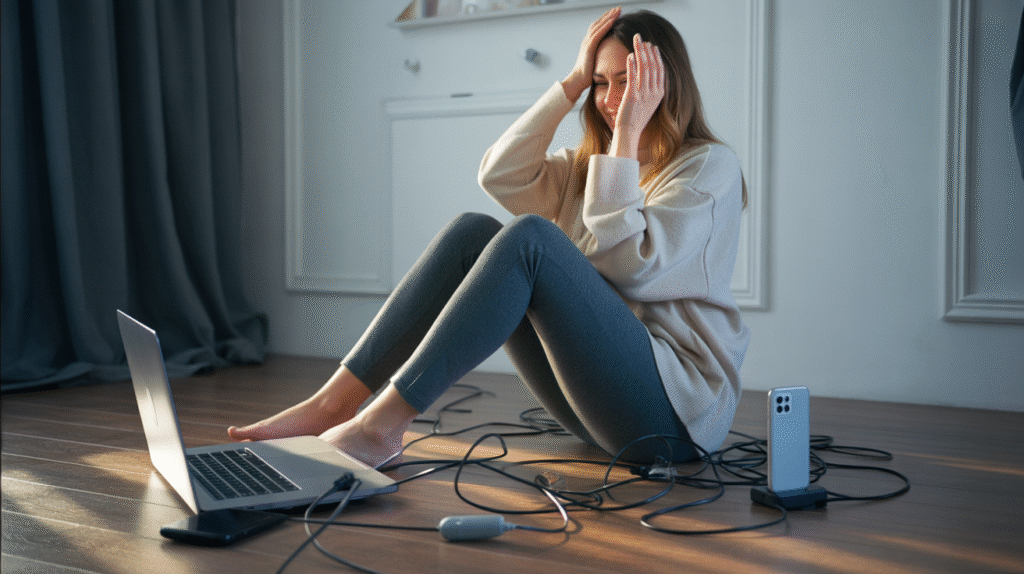
Every move costs energy. Booking flights, finding housing, learning transit systems, repacking bags—these logistics pile up faster than you realize. When you’re bouncing between cities every few days, the mental load can quietly drain you. By the time you sit down to create, your energy has already been spent on survival tasks.
Slowing down softens the load. Staying longer means fewer decisions, fewer transitions, fewer goodbyes. That reclaimed energy becomes available for the things that truly matter—your work, your relationships, your inner life. Instead of troubleshooting WiFi in three different apartments in a week, you spend that time writing, designing, or simply resting.
The creative benefits are profound. With stability, your brain shifts from survival mode into flow. Ideas come easier. Focus deepens. Even your rest feels richer because you’re not constantly adapting.
Think of slow travel as an energy filter. It doesn’t remove the effort, but it channels it toward what fuels you. The less time you spend starting over, the more time you spend building something meaningful. And in the end, that’s the work—and the life—that lasts.
Your Nervous System Gets to Rest
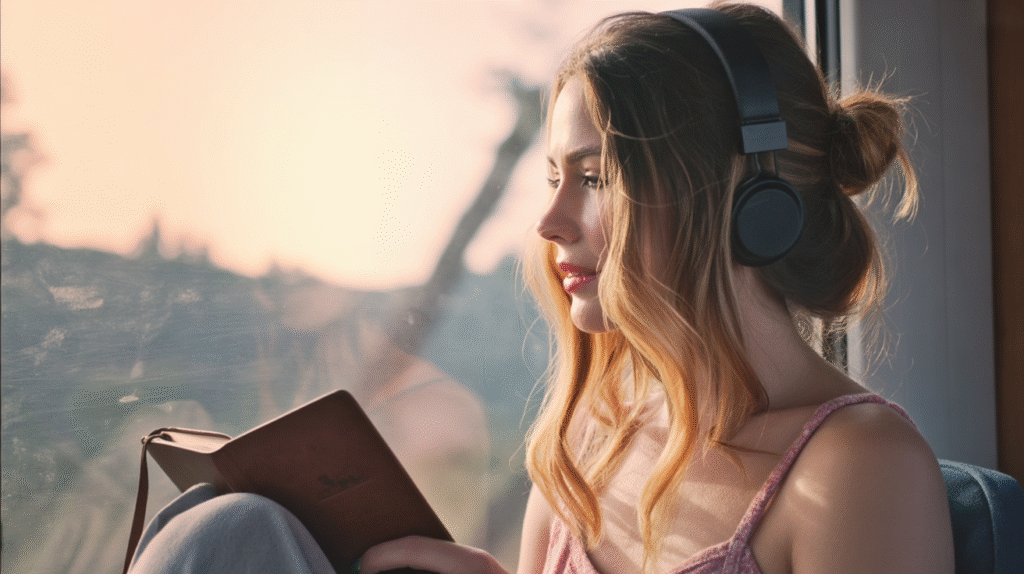
Moving constantly activates your survival mode. Slowing down helps your body regulate. You stop scanning. You start settling. And from that place? You make decisions that are aligned, not rushed.
Constant change keeps your system on high alert. New airports, new currencies, new streets—all of it requires vigilance. Even when it’s exciting, your body feels the stress. You’re scanning for danger, juggling details, staying hyper-aware. Over time, that state of alertness becomes exhausting.
Slow travel gives your body a chance to exhale. Staying in one place for weeks—or months—signals safety. You recognize the streets. You know where to buy groceries. Your nervous system shifts from survival to steadiness. And in that steadiness, everything feels lighter. Sleep deepens. Digestion improves. Focus sharpens.
From regulation comes alignment. Decisions stop being rushed or fear-driven. You choose based on clarity instead of pressure. You notice what truly feels nourishing instead of just what’s convenient.
This isn’t just comfort—it’s health. Slow travel supports your nervous system the way good food supports your body. It’s invisible to the outside world, but it shapes everything you experience. Because freedom isn’t just about moving—it’s about feeling safe enough to stay open while you do.
You Build Better Relationships—With Others and Yourself
Longer stays make space for depth. Conversations go beyond where you’re from. You create rituals with new friends. You get to know your own needs better. Intimacy grows when you give it time.
Fast travel keeps interactions light. You meet people, swap stories, maybe share a meal—and then one of you moves on. There’s nothing wrong with that, but it rarely leaves room for depth. Staying longer changes the dynamic. You see the same people multiple times. The conversation moves past “Where are you from?” into “What do you dream about?”
Rituals grow from repetition. Morning coffees together. Evening walks without maps. Shared grocery trips that turn into dinner parties. These simple, repeated moments create intimacy—not just with others, but with yourself. You notice how you like to spend your days when you’re not rushing. You learn your rhythms, your boundaries, your true desires.
Slow travel deepens relationships because it gives them space to breathe. You’re not cramming connection into a single evening—you’re weaving it over weeks. And those threads often last long after you part.
With yourself, too, the relationship strengthens. Longer stays mean less distraction, less novelty pulling your attention outward. You sit with yourself. You hear your own needs. You come to trust your own company. That depth is the quiet gift of slowing down.
You Redefine Success on Your Own Terms
Slowing down helps you detach from the pressure to see more, do more, post more. You start defining success by how calm you feel, how nourished you are, how aligned your choices feel. That’s the real freedom.
The culture of travel often equates value with volume—more stamps in your passport, more places checked off the list, more proof of movement. But living this way can leave you exhausted, disconnected, and ironically, less fulfilled. Slow travel flips the script.
Success becomes softer, quieter. It’s measured in mornings where you wake up rested, not rushed. In evenings where you feel nourished, not drained. In projects you’ve had the energy to finish because you weren’t packing every week. In friendships that deepened because you stayed long enough for rituals to form.
This redefinition is radical. It asks you to choose alignment over applause, presence over performance. It’s not about how much you’ve seen—it’s about how fully you’ve lived where you are.
Try this: instead of counting countries, count calm days. Instead of measuring progress by posts, measure it by how nourished you feel. That’s where the freedom is—not in proving your life is big, but in feeling that your life is yours.
Closing Thought
Slowing down isn’t falling behind—it’s returning home to yourself. The nomadic life doesn’t need to be fast to be meaningful. In the stillness, you’ll notice more beauty, build more truth, and finally breathe the kind of freedom that doesn’t require constant motion.