Why Slow Travel Is the Best Kind of Travel
There’s a rhythm to slow travel that feels like exhaling. No frantic sightseeing. No back-to-back check-ins. Just still mornings, long walks, and the joy of becoming part of a place—not just passing through it. When you stop racing to collect moments and start living inside them, travel becomes something deeper. Softer. Truer. Slow travel doesn’t just change your pace—it changes you.
Slow Travel Lets You Actually Live Somewhere
When you stay longer, you find your neighborhood coffee shop. Your favorite corner in the park. You stop feeling like a visitor—and start feeling like a quiet part of the place. That’s when connection begins.
I learned this while staying several months in a small seaside town. At first, everything felt foreign—the streets confusing, the markets overwhelming. But after a few weeks, I noticed how familiar it was becoming. The woman at the bakery began to greet me by name. I knew which bench had the best afternoon sun. My mornings stopped feeling like sightseeing and started feeling like routine.
That shift—from visitor to participant—changes everything. You don’t just observe a place; you live inside it. And in that living, a sense of belonging starts to grow.
Slow travel isn’t about ticking destinations off a list. It’s about letting yourself be absorbed into the rhythm of daily life until the unfamiliar feels like home.
You Create a Rhythm Instead of Running on Rush
Slow travel gives you room to breathe. You’re not jumping from train to train or checking off ten sites in a day. You work, rest, explore, and flow. It’s not vacation—it’s a lifestyle.
When I first started, I made the mistake of moving too quickly—new city every few days, long checklists of things to see. I ended each week exhausted, my body tense, my work suffering. Then I tried slowing down. Staying a month in one place. Giving myself permission to not “see it all.” Suddenly, my days felt balanced. I could work in the mornings, explore in the afternoons, rest in the evenings. Nothing rushed, everything steady.
This rhythm doesn’t just protect your energy—it expands your life. You experience more because you’re not too drained to notice.
Slow travel is less about doing and more about being. It’s the rhythm that turns constant motion into actual living.
You Build Emotional Intimacy With Your Life
When you stay put, your nervous system relaxes. Your thoughts slow down. You notice the way the light shifts through your window, or how your mood softens after the third day in a place. Depth replaces novelty—and that’s where real growth happens.
I felt this in a small apartment where the window overlooked a quiet street. At first, I barely noticed it—I was too focused on unpacking, adjusting, rushing to explore. But after a week, I began to notice the rhythm: the vendor who set up early each morning, the children who played in the afternoon, the way golden light slid across the walls at sunset. It wasn’t spectacular, but it was intimate.
Slow travel invites you into this intimacy. You begin to notice not just where you are, but who you are in it.
That kind of attention is rare—and it’s where transformation begins.
You Spend Less—And Get More
Slow travel is often more budget-friendly—longer stays, fewer transit costs, home-cooked meals. But the real richness comes in what you feel. Familiarity. Grounding. A kind of emotional wealth that fast travel can’t offer.
I discovered this when I stayed six weeks in a city instead of hopping through three in the same time. Financially, it was cheaper—weekly markets, discounted monthly stays, fewer train tickets. But the true value was invisible: I felt calmer. I felt rooted. I stopped living out of my bag and started living in my space.
Saving money is nice, but saving your energy is priceless. And with that grounded energy, you can actually experience more joy, more connection, more clarity.
Slow travel doesn’t just stretch your budget. It stretches your heart, giving you more space to feel at home wherever you are.
You Let Places Change You—Not Just Entertain You
Fast travel is about seeing the world. Slow travel is about letting it shape you. When you move slowly, you’re not just collecting experiences—you’re absorbing wisdom. Places don’t just leave photos on your phone—they leave fingerprints on your heart.
I realized this while spending months in a mountain village. At first, I came to hike and take photos. But over time, the place began to teach me—about patience, about rhythm, about how much beauty lives in stillness. Conversations with locals, watching the seasons shift, even simple rituals like baking bread each week became part of me.
When you stay, you change. The place leaves its mark, not as a memory, but as a layer of who you are.
That’s the real gift of slow travel. You’re not just entertained—you’re transformed. And you carry that transformation everywhere you go.
Slow Travel Gives You Back Time for Yourself
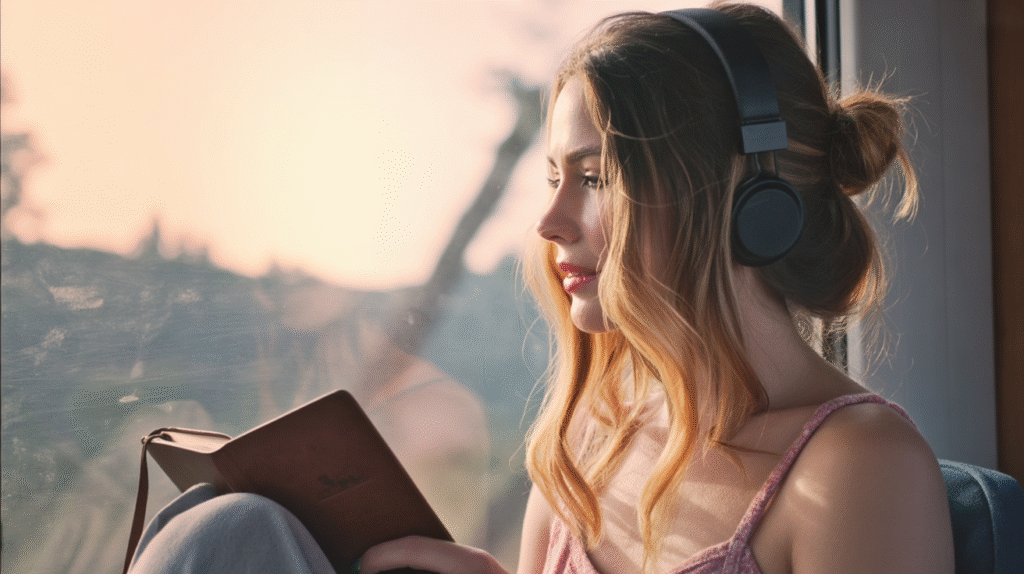
When you’re not rushing to catch trains or chasing checklists, you finally get your hours back. Hours to read, to journal, to wander without urgency. Slow travel isn’t just about seeing places—it’s about giving yourself the time you’ve always said you didn’t have.
I noticed this during a long stay in a quiet coastal town. With no pressure to “see it all,” I started my mornings slowly—writing in my journal, making breakfast, sipping tea while watching the tide roll in. There was no race, no agenda, just space. And in that space, I realized how much I had missed being with myself.
Slow travel hands you back the time that fast living steals. It reminds you that life isn’t meant to be crammed into itineraries—it’s meant to be savored.
The most radical thing you can do sometimes is simply give yourself time. And slow travel creates it.
Awareness Deepens Your Connections With People
When you stay longer, relationships have space to grow. A shopkeeper starts to recognize you. A neighbor stops to chat. Fellow travelers become friends instead of passing faces. Slow travel transforms interactions into connections.
I experienced this while living in a small apartment above a bakery. At first, I was just another customer. But after a few weeks, the owner would slip me an extra roll, ask about my work, share stories about his family. Those small moments turned into warmth, into a kind of belonging I never found in short stays.
Fast travel rarely gives enough time for intimacy. But when you linger, people open up. They let you into their routines, their humor, their humanity. And those connections often become the most meaningful part of your journey.
Slow travel isn’t just about seeing places more deeply. It’s about seeing people more deeply—and being seen in return.
Closing Thought
Slow travel isn’t lazy. It’s intentional. It’s choosing presence over performance. Curiosity over consumption. Connection over content. And when you move slowly, you stop chasing beauty—and start becoming part of it.