The Ultimate Guide to Living and Working From a Cruise Ship as a Digital Nomad
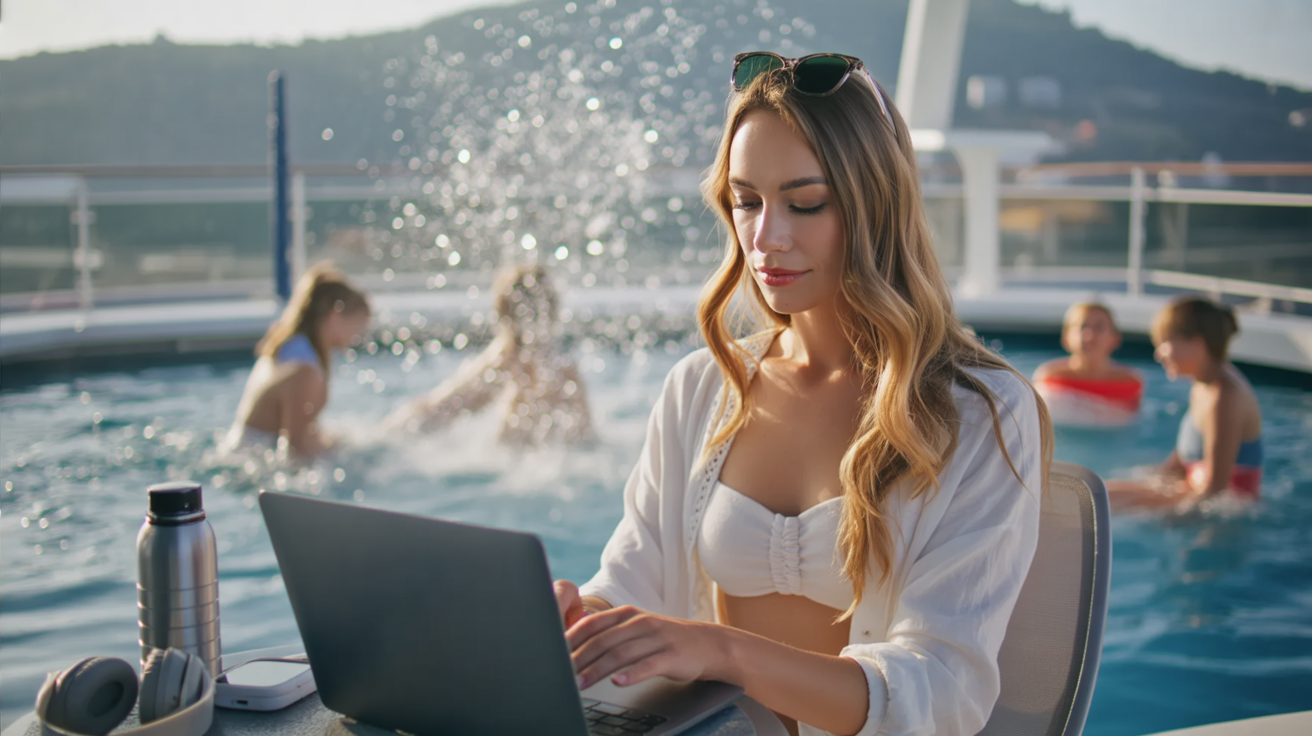
Starting your workday with sunrise over the horizon feels like something out of a dream. The ship hums beneath your feet, the ocean stretches endlessly, and you sip your espresso knowing you’ll step into both work and wonder before the day ends. Cruise life isn’t only about leisure; it can be a rhythm where focus and freedom live side by side.
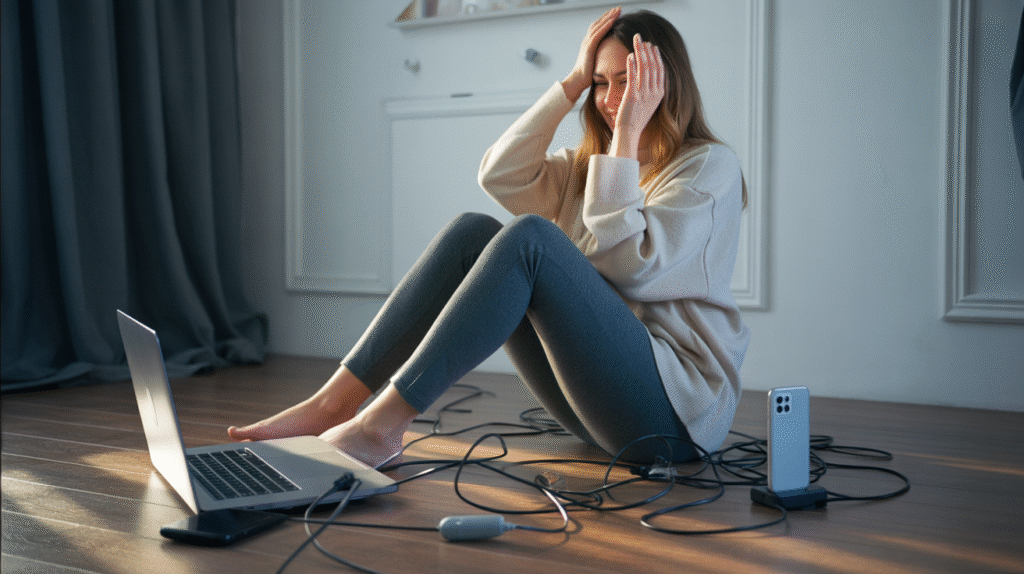
But making that dream sustainable takes thought. Cabins aren’t offices. Wi-Fi is patchy. Distractions are constant. Without preparation, your romantic idea of “working at sea” can quickly unravel into frustration.
This guide is here to bridge that gap. From choosing the right cruise line to building your portable work kit, it shows how to transform a cruise ship into a base for deep focus, wellness, and creative energy. The sea becomes more than scenery—it becomes part of your system, steadying you while you grow.
Whether you’re planning one voyage or weaving ships into your lifestyle long-term, these strategies will help you protect your business, your body, and your sense of adventure. With intention, a cruise ship isn’t a compromise; it’s a floating foundation.
Pick the Right Cruise Line for Remote Work
Not every cruise line is made with remote workers in mind. Some prioritize entertainment, others lean into luxury, but only a handful strike the balance between connectivity and calm. For a digital nomad, this decision is foundational.
Prioritize ships with reliable internet—many now offer Starlink or proprietary systems like Royal Caribbean’s Voom. Look beyond glossy marketing; real reviews from travelers tell you whether the connection can handle a video call or collapses after sunset.
Spaces matter too. You’ll need more than a cabin desk. Look for ships with quiet cafés, libraries, or observation lounges where working doesn’t feel forced. Soundproof cabins are another plus; background noise from gyms or nightclubs can chip away at concentration.
Nomad favorites include Royal Caribbean, Celebrity Cruises, Virgin Voyages, and some MSC ships. These lines invest in Wi-Fi and offer varied lounges where laptops blend in without stares.
Choosing right doesn’t mean choosing expensive—it means choosing supportive. When your environment aligns with your needs, the ship stops feeling like a novelty and starts feeling like a rhythm you can actually sustain.
Choose Itineraries With Balance
Your route shapes your routine. A cruise packed with daily ports looks thrilling on paper, but in practice, it leaves little room for work. By the time you’ve explored ashore, returned onboard, and settled back in, the day is gone. If your business requires deep focus, those itineraries drain more than they give.
Transatlantic or repositioning cruises, heavy on sea days, offer wide open blocks for strategy, design, or writing. Mediterranean or Caribbean routes with alternating sea and port days create balance—space for both work and exploration.
The trick is knowing your season. During work-heavy chapters, lean into routes with long sea stretches. During lighter periods, pick adventure-balanced itineraries where the ship becomes your moving home base.
Avoid schedules with back-to-back ports unless you’re ready to treat the trip as pure exploration. Nomads thrive on rhythm; balance is how you keep both productivity and joy intact.
Your itinerary isn’t just travel—it’s your calendar. Choose one that feeds your energy instead of scattering it, and you’ll return home with both work accomplished and memories made.
Book the Cabin That Matches Your Workflow
Cabins are not created equal. Interior rooms are budget-friendly and surprisingly restful, with no daylight to disturb deep sleep. They suit travelers who plan to spend work hours in lounges and use their cabin only for rest.
Balcony cabins, on the other hand, become extensions of your office. Natural light, fresh air, and views of the horizon lift creativity and make client calls feel less like obligation, more like privilege. If you plan to record videos or take frequent calls, the balcony setup is worth the investment.
What to avoid? Cabins beneath gyms, pools, or near nightclubs. Soundproofing helps, but repeated thuds or late-night noise wear thin quickly.
A small but effective addition is a desk light. Many cabins are dim, and low lighting strains your eyes after hours of screen work. A portable lamp creates focus and comfort.
Your cabin is your anchor point. Pick the one that supports how you work, not just how you want to travel. A thoughtful choice ensures your workspace doesn’t just exist—it enhances your daily rhythm.
Invest in the Right Wi-Fi Package
On land, internet is a given. At sea, it’s fragile. Your entire workflow can hinge on the package you choose. Don’t cut corners here.
Opt for unlimited plans with streaming if your work depends on video calls, VPN use, or uploading large files. Cheaper packages with capped minutes or limited speeds may save money but cost you peace of mind.
Test early. As soon as you board, run a speed test. Learn the strong spots—sometimes lounges perform better than cabins. Adjust your schedule so heavy tasks happen when connection is strongest.
Accept that there will be slow patches in remote waters. The key is preparation: keep offline tasks ready. Draft blog posts, edit photos, or plan content when you can’t rely on the cloud.
Wi-Fi at sea is not perfect, but it can be sufficient. When you choose the right package and adapt to its rhythm, you stop battling it and start working with it. That adjustment alone transforms frustration into flow.
Set a Sea-Friendly Work Schedule
Structure keeps freedom intact. Without it, days blur into endless distraction—meals, activities, ports, announcements. On a ship, the environment constantly pulls your attention outward. A sea-friendly schedule anchors it back in.
Use sea days for deep-focus tasks: writing, design, strategy. These uninterrupted stretches are gold for moving projects forward. On port days, lighten your load—reply to emails, tie up admin, or step away entirely. Your business stays steady without stealing from the adventure.
Sync your schedule with ship rhythms. Work in quiet lounges during breakfast hours. Break at golden hour, when the deck is irresistible. Use late evenings for reflection or planning, once the ship softens into calm.
Boundaries matter too. Choose a “stop time” each evening. Cruise life already provides natural cues—shows, dinners, closed venues. Let them remind you that rest is part of productivity.
When you treat your schedule like a tide—ebb and flow instead of rigid blocks—it works with the ship, not against it. That’s how you find both freedom and focus at sea.
Create a Portable Work Kit
Mobility is part of ship life. One morning you’re in a lounge, afternoon on the balcony, evening in a café space. Instead of scattering essentials, keep a tote packed and ready.
Your kit should hold the core: laptop, charger, travel adapter, noise-canceling headphones, water bottle, and a small scarf or wrap for air-conditioned lounges. Add a notebook for off-screen work and snacks for long stretches.
The beauty of a portable kit is simplicity. You stop wasting energy gathering cords or hunting journals. Everything has its place. The bag becomes a mobile office, shifting seamlessly with you.
A thoughtful tote also helps set boundaries. When you pack it away at the end of the day, you symbolically close your office. That ritual matters in a space where work and leisure intertwine.
Think of it less as gear, more as freedom. A well-packed kit is what makes your floating office adaptable, resilient, and calm—no matter where on the ship you land.
Use Cruise Life to Reinforce Healthy Boundaries
One gift of cruise life is built-in structure. Restaurants close, shows begin, lounges empty, decks quiet. These natural cycles can become cues for your own work-life rhythm.
Instead of stretching endlessly into late nights, decide: laptop shuts at dinner. Or: no calls after sunset. The environment supports your decision, turning boundaries from struggle into habit.
Movement breaks are another easy win. Walk a deck loop between calls. Stretch in your cabin before dinner. These small acts keep your body balanced in ways traditional offices rarely inspire.
When you adopt cruise rhythms, you stop fighting for separation and let the ship teach you balance. Work remains focused; rest becomes intentional.
Boundaries aren’t just discipline—they’re energy management. And energy is the currency of both travel and business. Protect it, and your cruise becomes more than a trip—it becomes a template for sustainable work anywhere.
Lean Into Built-In Wellness
Cruises offer something few nomads experience: wellness at your doorstep. Gyms with sea views, saunas, pools, spas, walking tracks, and endless healthy food options. Ignoring them would be like ignoring the horizon outside your window.
Use sea days to book treatments when the spa is quiet. Slip into the gym in the morning, when decks are calm. Let pools and walking tracks replace monotonous workouts. Even food can shift—buffets often hide salads, fresh fruit, and nourishing options that support energy instead of draining it.
Wellness onboard isn’t indulgence—it’s sustainability. When your body feels good, your work sharpens, and your travels feel fuller.
Instead of seeing wellness as “extra,” weave it into your work rhythm. A sauna after a deadline. A swim between calls. A stretch at golden hour. These acts keep you balanced and remind you why you chose this life—to feel alive, not just busy.
Make It Social — Or Completely Solo
One strength of cruise life is its range. You can step into connection or retreat into solitude with equal ease.
For community, join trivia nights, group classes, or solo traveler meetups. Friendships form quickly on ships, and a supportive network can add lightness to long voyages.
For solitude, evenings on deck or afternoons journaling in quiet lounges offer peace. You don’t need to apologize for choosing alone time. The balance is yours to design.
This duality is rare. Few environments allow such fluid toggling between social and solo. At sea, you get both, on your own terms.
Tuning into what you need—company or quiet—keeps your energy aligned. That’s what sustains you over weeks of travel and work. Cruise life doesn’t demand one mode; it allows all of them, gracefully.
Don’t Forget to Wander Offboard
Ship routines can be comforting, but ports are where freshness lives. Even a short wander—ten minutes through a local market, a quick coffee at a café, a stroll along the waterfront—can reset your creativity.
It’s easy to overwork, convincing yourself sea days are for focus and port days can be sacrificed. But denying yourself small adventures robs you of the very fuel that keeps your business alive: curiosity.
Plan lightly. A single offboard ritual, like buying fruit from a market or walking a historic square, adds joy without draining time. These snippets become memories that outlast deadlines.
Your cruise isn’t just transit—it’s a series of opportunities. Step into them. Work waits; wonder doesn’t.
Closing Thought
Cruise ships aren’t just floating hotels—they can be homes for both work and life. With the right choices—ships, cabins, schedules, and systems—you create an environment where business supports freedom instead of limiting it.
This lifestyle isn’t flawless. Wi-Fi will drop, routines will bend, plans will shift. But with intention, those challenges become part of the rhythm. You’ll learn to adapt, to use sea days for focus, to let port days inspire, and to find steadiness in the movement itself.
Living and working from a cruise ship isn’t about blending vacation with obligation—it’s about designing a rhythm that makes space for both. When done with care, it gives you something rare: clarity that moves with you, balance built into your environment, and freedom that feels as wide as the horizon.