How Slow Travel Changed the Way I Work, Live, and Love
I didn’t set out to slow travel. Like most digital nomads, I started with fire in my chest and a Google Sheet full of dream cities. I treated my calendar like a collection of trophies, always chasing the next skyline, the next stamp, the next story worth posting. Airports felt like progress. Motion felt like proof.
But somewhere along the way — between the red-eye flights and the shallow routines, between late-night client calls in borrowed Airbnbs and mornings where I couldn’t remember the name of the street outside — I realized something sobering: I wasn’t living, I was just moving.
So I did the scariest thing for someone addicted to momentum: I stayed. I lingered long enough for days to stop feeling like checklists. I let routines find me instead of forcing them. And in the stillness, something shifted. My work stopped feeling like a race against time. My mornings softened. My relationships deepened.
Slow travel didn’t just change my itinerary; it rewrote my rhythm. It showed me that freedom isn’t about how many borders you cross — it’s about how deeply you inhabit the life unfolding right where you are.
Lesson 1: I Stopped Working Like I Was in Survival Mode
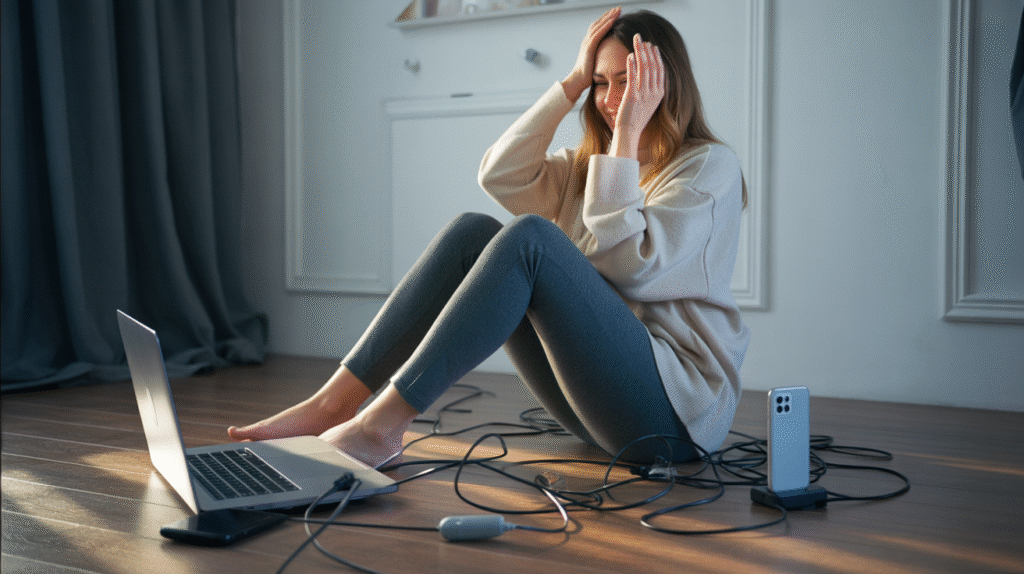
In my fast-travel days, work felt like something I had to wrestle into the cracks of constant movement. I was answering emails from shaky airport Wi-Fi, chasing deadlines in hostel dorms where the lights never dimmed, whispering through client calls from noisy cafés where the background clatter made me sweat with distraction. I told myself this was freedom, but in truth, I was working like my life might collapse if I slowed down — because in many ways, it did. New city meant new chaos, and my work was always on edge, waiting to be squeezed in before the next bus, the next flight, the next check-out. It was survival mode disguised as ambition. And survival mode is exhausting.
Slow travel shifted everything. Staying in one place gave me the chance to design my days instead of cramming them into margins. I started blocking off sacred work hours that matched my natural energy peaks — mornings for deep writing, afternoons for lighter tasks. I built in proper breaks, not just hurried meals between tasks but full pauses: a walk through the neighborhood, a stretch on the balcony, tea sipped without my laptop glaring at me.
Something miraculous happened: my work improved. Consistency replaced chaos. Projects flowed more smoothly because I wasn’t constantly catching up. Clients noticed the difference, too — my focus and creativity deepened, and so did their trust in me.
I learned that productivity wasn’t about proving I could work anywhere, under any conditions, no matter how stressful. Real productivity came from stability, from rhythm, from giving myself permission to work like a human being instead of a machine running on adrenaline.
Survival mode got me through the beginning. But slow travel taught me that I didn’t need to live in survival mode anymore. I could build a work life that sustained me instead of drained me — and that shift has been more valuable than any passport stamp.
Lesson 2: I Fell in Love With Mornings Again
Back when I was moving too fast, mornings felt like emergencies. They were alarms at 4 a.m. for budget flights, rushed emails sent before check-out, frantic packing with coffee gulped while calling a cab. My first thoughts were always logistical: What time’s my gate? Where’s my passport? Did I miss a deadline while I was sleeping? I started each day with adrenaline, as if the world was already one step ahead and I was scrambling to catch up.
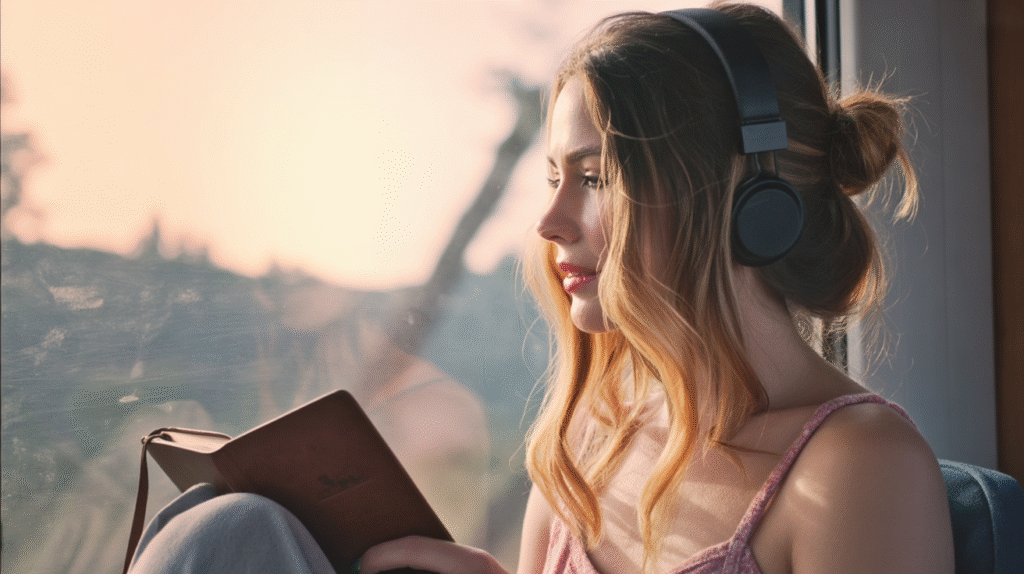
When I began traveling slowly, mornings softened into invitations instead of obligations. I stopped waking to alarms and started waking to sunlight. Thin curtains glowing with the first warmth of the day became my natural clock. I stretched barefoot on cool tile floors, listening to the quiet hum of a neighborhood coming alive — roosters crowing, bread being delivered, shutters rolling open.
I let tea steep slowly before I touched a screen. I opened a book instead of my inbox. Sometimes I wrote in a journal with no agenda — not to produce, just to pour. Other times I simply sat, watching the light shift across the walls, noticing how time could expand when I wasn’t rushing it.
That softness bled into everything else. By the time I opened my laptop, I wasn’t already depleted. I was grounded. My work carried more clarity, my energy stretched further, and my stress levels dipped. Mornings became less about surviving the logistics of the day and more about setting the tone for how I wanted to live it.
Slow travel gave mornings back to me. It reminded me that the first hour of the day shapes the rest. And when those hours begin with gentleness — with light, with warmth, with presence — the whole day becomes less about running and more about living.
Falling in love with mornings again was less about creating a perfect routine and more about granting myself permission to be slow, to savor, to simply exist before the world rushed in. And that, I’ve learned, is where joy begins.
Lesson 3: I Learned to Let Places Shape Me
When I was hopping too quickly, every city became just another backdrop for the same routine. I forced my schedule onto places like a template — same coffee at my desk, same task list, same rhythm — whether I was in Berlin, Bangkok, or Bogotá. It was efficient, but it was also shallow. I wasn’t really living in those places. I was living around them, while trying to keep my own script intact.
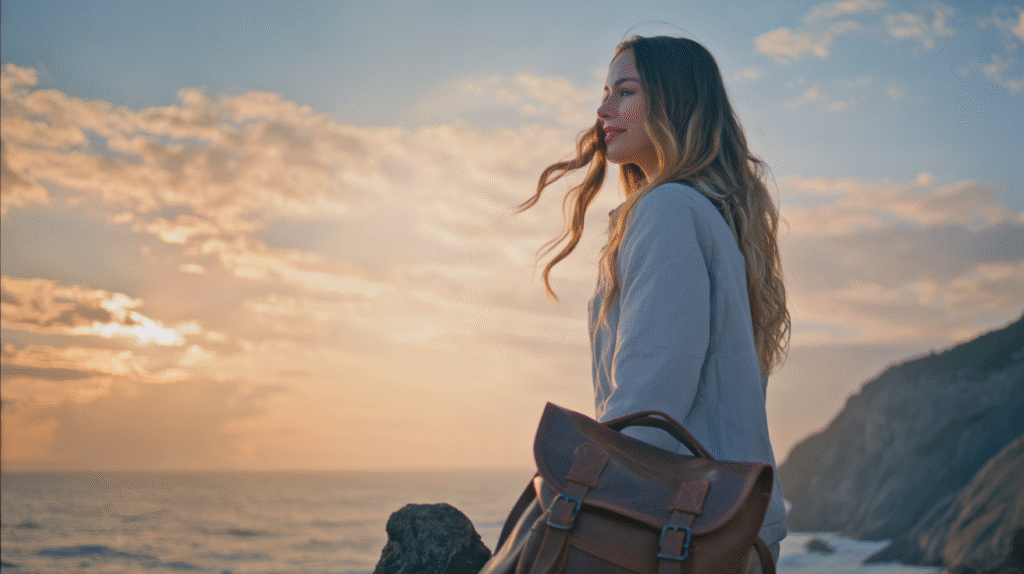
Slow travel taught me to loosen my grip. When you stay longer, the uniqueness of a place begins to seep into you. The sea whispers you awake earlier than usual, and you find yourself swimming before work because saltwater feels like the purest caffeine. In a rainy mountain town, you learn to pause when storms roll in, cooking long meals with whatever the market offered that morning, working in bursts between thunder and sun. In Mediterranean villages, life slows in the heat of the afternoon, and you finally understand why locals close their shutters and nap — so you do too.
The shift was subtle at first. I noticed I was no longer asking, “How can I keep my routine intact here?” Instead, I asked, “What is this place inviting me to do?” And those invitations changed me.
It felt less like abandoning discipline and more like finding a deeper alignment. My days stopped being a rigid checklist and became a dialogue between me and my surroundings. Places stopped being backgrounds. They became co-authors of my life.
And here’s the truth I didn’t see before: when you let places shape you, your memories deepen. A city isn’t just remembered for the landmarks you checked off but for the ways it changed the texture of your days. The rhythm of a market, the cadence of rain, the taste of figs picked in season — those moments linger longer than any itinerary ever could.
Slow travel reminded me that the greatest gift of movement isn’t conquering a place, it’s being humbled enough to let it leave its mark on you.
Lesson 4: I Gave Myself Permission to Rest
For years, I treated rest like a finish line I never reached. It was the prize waiting for me at the end of the to-do list, which meant it almost never arrived. There was always another email, another pitch, another opportunity I “should” grab before someone else did. Even while traveling, I packed my days to the brim, chasing the same productivity high I thought would finally earn me permission to exhale.
But slow travel held up a mirror. In places where life moved unhurriedly — where markets closed midday, where cafés stayed half-empty until dusk, where neighbors lingered on benches instead of rushing home — I felt something stir. For the first time, I saw that stillness wasn’t laziness. It was part of the rhythm. And I realized how much I’d been starving myself of it.
So I began experimenting. I let myself nap in the middle of a Tuesday without guilt. I took afternoons off just to wander, not for photos, not for content, just to breathe. I closed my laptop before sunset so I could watch the sky soften with a cup of tea in my hands. And nothing collapsed. Clients were still happy. Work still got done. But I, for the first time in years, felt whole.
The irony is that by resting more, my work became sharper. Ideas flowed faster. My creativity stretched further. Instead of dragging myself across the finish line each week, I approached projects with renewed energy. Rest didn’t make me fall behind — it pulled me ahead.
Slow travel taught me that rest isn’t indulgence; it’s infrastructure. It’s not a prize for working harder but a foundation that lets everything else grow. And the moment I gave myself permission to rest, I realized it was the missing piece I’d been chasing all along.
Lesson 5: I Let Go of “Should” and Followed Curiosity
When I was traveling quickly, my days were shaped by invisible expectations. Every destination came with a list: the restaurants I should try, the hikes I should do, the photos I should take. It wasn’t that I wanted all of it — it was that I didn’t want to miss what everyone else seemed to be chasing. My life became a performance, and even in beautiful places, I often felt like I was playing someone else’s script.
Slow travel softened that pressure. With time on my side, I realized I didn’t have to cram every experience into a few days. I could skip the “must-sees” without guilt. I could follow the tug of my own curiosity instead of the noise of guidebooks or social media.
And so I did. I wandered down streets that didn’t make it into any travel blog, ducking into secondhand bookstores where the air smelled of dust and old paper. I spent entire afternoons in laundromats, watching the quiet theater of everyday life while scribbling poetry in my notebook. I returned to the same café so often that the barista started slipping me extra biscuits with my tea. None of it was impressive. All of it was real.
The more I followed curiosity, the more alive I felt. There was joy in saying no to the checklist and yes to the moment — to sketching a flower on a napkin, to sitting by a river with nothing to do but watch light ripple on the water, to talking with strangers simply because the conversation felt good.
And in that simplicity, I found freedom. I stopped performing my life. I started living it.
Slow travel taught me that “should” is a heavy word, but curiosity is light. When you let it guide you, places open up in unexpected ways, and you begin to discover not just where you are — but who you are.
Lesson 6: I Learned That Slowness Is a Form of Love
When I first started moving, I thought love was in the grand gestures: the whirlwind romance of new cities, the big adventures, the spectacular sunsets posted in real time. I thought presence could be rushed, captured, bottled up, and shared. But all that speed made even love — for people, for places, for myself — feel like something I was skimming over.
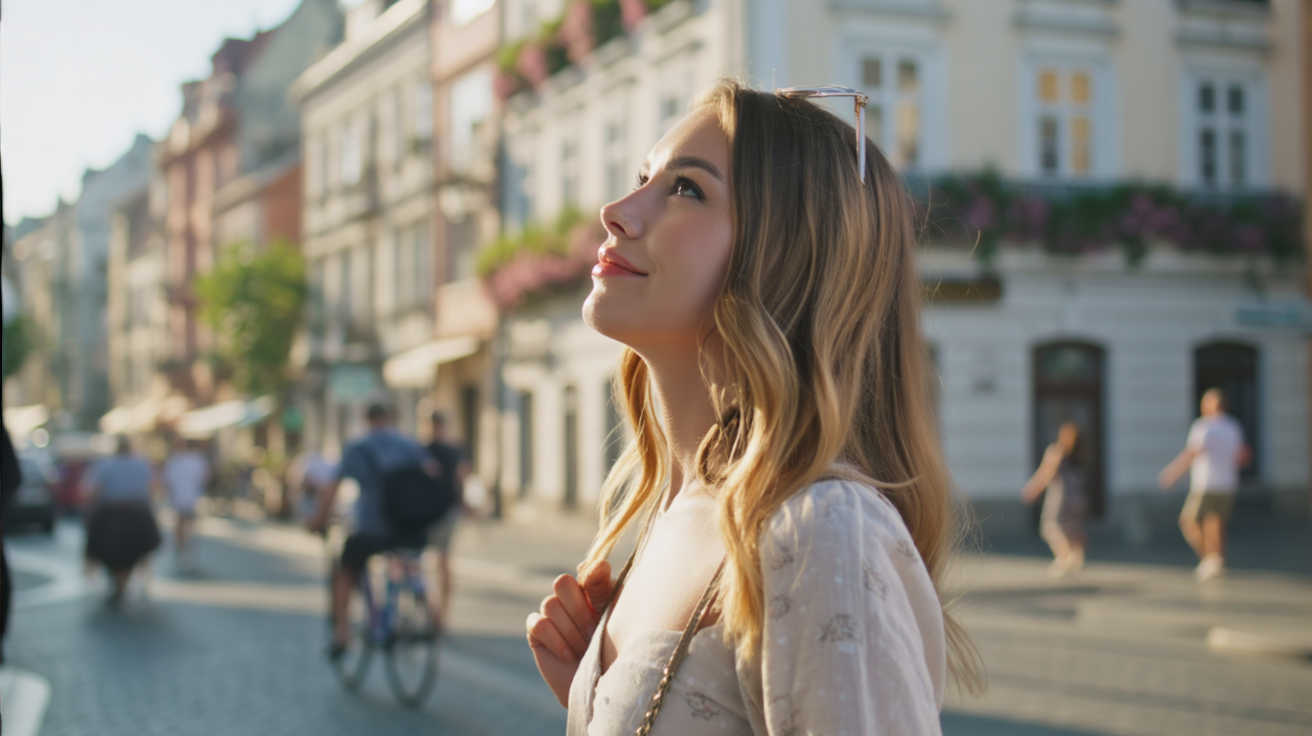
Slow travel changed that. When I stopped rushing, I noticed how slowness itself is a kind of love. It’s love to linger at the table long after the plates are empty, just to keep listening to someone’s laughter. It’s love to hold someone’s gaze one second longer than necessary and watch the way their smile shifts, softens. It’s love to take the time to learn the rhythm of a place — the hour the baker pulls hot bread from the oven, the way the late light gilds the stone walls, the cadence of a neighbor’s greeting at the market.
Slowness is attention, and attention is intimacy. The more I slowed, the more I could show up fully — not just for others, but for myself. I began noticing the subtleties of my own moods, the whispers of what I needed, the sparks of desire or inspiration that would have been drowned out by noise before.
I realized that love isn’t only about romance or relationships. It’s a way of being. It’s choosing to care deeply enough to notice. Choosing to stay present when everything in the world tells you to move faster. Choosing to offer patience when you could offer distraction.
Slow travel gave me back this tenderness. It made me softer, but also stronger — because when you move with love, everything else begins to align.
Slowness is love. And once you experience it, you can’t help but crave it in every corner of your life.
Lesson 7: I Realized I Don’t Want to “Go Back”
There’s a before and after with slow travel. Before, my life was a blur of departures and arrivals, of pins on a map that proved I was moving but didn’t prove I was alive. After, I can’t unsee how different life feels when it’s not dictated by speed.
At first, I thought I’d return to my old rhythm eventually. That this “slower season” was just a pause, a reset before I jumped back into the chase. But the longer I lingered, the clearer it became: I don’t want to go back. The pace I once celebrated now feels like a cage. Airports don’t feel like progress anymore; they feel like noise. Constant movement doesn’t feel like freedom; it feels like running away from myself.
Now, I still travel. I still work. But my relationship to time has changed. I choose fewer destinations and give them more of myself. I say yes to opportunities that feel aligned, not just impressive. I walk through airports without urgency, carrying less baggage — literal and emotional. And in that slower pace, I feel something I never did before: peace.
There’s grief in realizing how much I missed when I was rushing. But there’s also gratitude in knowing I won’t make the same mistake again. Once you’ve tasted how good life can feel when it’s unhurried, once you’ve felt the depth of belonging that comes from staying, it’s impossible to crave the shallow version again.
I don’t want to go back to proving my life through speed. I want to keep choosing presence, alignment, and intention. Because that’s where real freedom lives — not in the race, but in the pause.
Closing Thought
Slow travel didn’t just change the way I move through cities; it changed the way I move through my life. It reminded me that urgency is not the same as purpose, that motion is not the same as meaning. It gave me back mornings that feel soft instead of rushed, work that feels focused instead of frantic, relationships that feel rooted instead of fleeting.
I used to believe freedom was about speed — about how quickly I could leap from one country to another, how many stamps I could collect in a year. Now I see it differently. Freedom is in choosing the pace that feels honest. It’s in staying long enough to belong, in letting stillness teach you things constant movement never could.
Maybe that’s the real secret of slow travel: it isn’t just about travel at all. It’s about building a life you don’t want to escape from. A life where work, love, and presence don’t compete but coexist.
Wherever you go, let yourself linger. Stay long enough for the days to shape you, long enough for your breath to deepen, long enough to realize that home isn’t a place on the map — it’s a way of being you can carry everywhere.