How Living on a Private Yacht Changed the Way I Work as a Digital Nomad
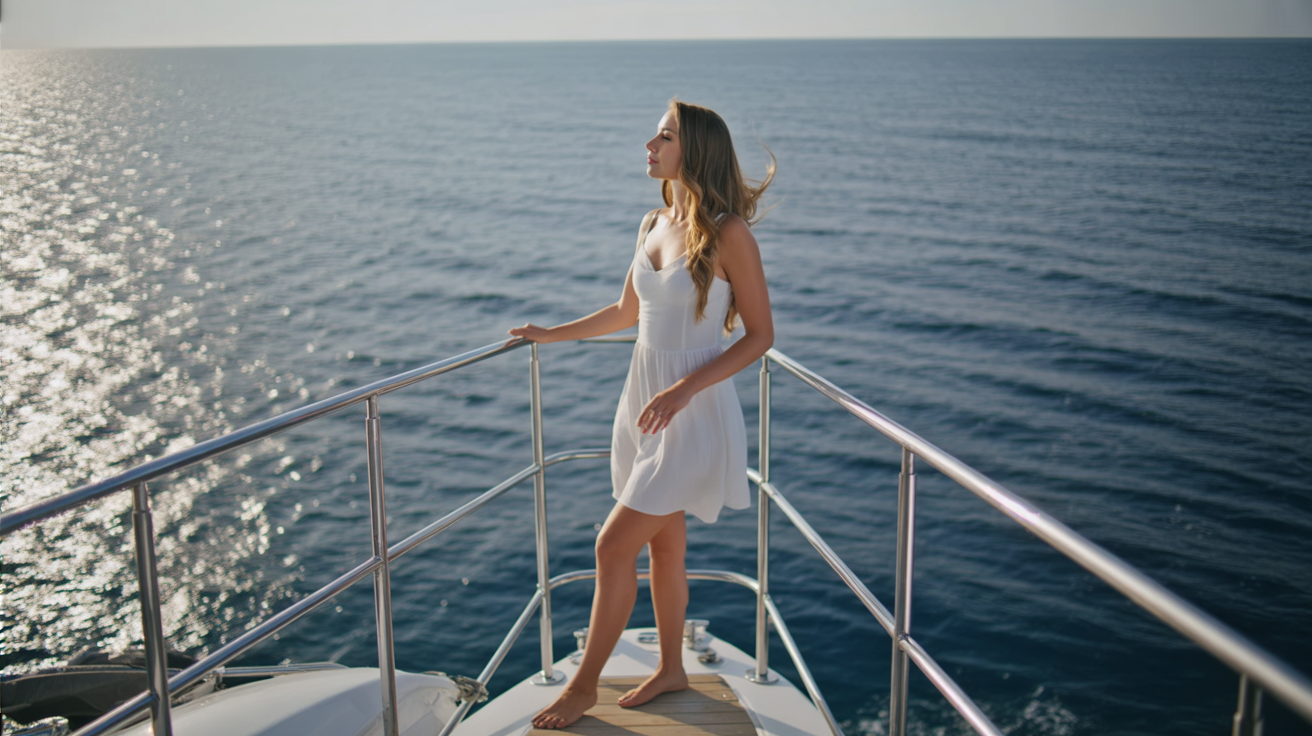
When I first stepped onto the yacht, I thought I was just gaining a better view — a floating office with waves for wallpaper and sunsets for screensavers. But what I didn’t realize was that yacht life would change far more than my surroundings. It shifted the way I relate to work, to time, and even to myself. The boat stopped being a backdrop and became a teacher, showing me rhythms I hadn’t allowed myself to notice before.
On land, I was used to the grind: inbox always open, tasks stacked endlessly, productivity measured in hours rather than results. At sea, those habits broke down quickly. Wi-Fi blinked out mid-email. The sun pulled me outside when I’d normally force myself to sit longer. The gentle rocking of the boat reminded me to breathe. I discovered that deadlines still got met — but without the constant pressure and push.
This wasn’t about escaping work; it was about reshaping it. The lessons the yacht gave me — in slowing down, letting go, prioritizing, resting, creating, and trusting myself — rippled into every part of my nomad life. These weren’t just productivity hacks; they were shifts in perspective that made my work not only more effective, but more alive.
I Slowed Down — And Worked Better
On land, I used to chase productivity like it was a race. My calendar was stacked with back-to-back calls, notifications buzzed from every device, and I wore “busy” like a badge of honor. Slowing down felt dangerous — as if pausing for breath meant I was falling behind. But the sea has a way of undoing those illusions.
On the yacht, the usual distractions dissolved. There were no crowded cafés with background chatter, no commutes to steal my mornings, no endless meetings to fill the hours. Instead, there was open sky, the sound of waves, and a boat that rocked me into presence. I found myself working in longer, deeper stretches — fully immersed, fully focused, without constantly glancing at the clock.
It surprised me how much better the work became. Writing flowed without strain, problem-solving felt clearer, and projects moved forward faster even though I was technically working fewer hours. Slowing down wasn’t about doing less; it was about doing with more intention.
The yacht taught me that productivity doesn’t live in speed. It lives in focus, in depth, and in giving yourself the space to be fully present. By slowing down, I stopped working harder — and started working better.
I Let Go of the 9–5
For years, my body had been trained to the rhythm of office life. Wake up, commute, sit at a desk from nine until five, squeeze in life around the edges. Even when I first became a freelancer, I clung to that structure out of habit — as if productivity could only exist in those hours. Yacht life broke that belief almost immediately.
Without office walls or corporate clocks, I started listening to my own rhythm instead of forcing myself into someone else’s. Some mornings, I woke with the first light, energized and ready to dive into work before the marina even stirred. Other days, the sea called me first — a swim, a sail, or a quiet breakfast on deck — and the work happened later, in the golden hush before dinner. The surprising part? I got more done. By working when my mind and body were ready, I tapped into deeper focus, sharper energy, and more creativity.
Deadlines were still met, clients still happy — but the process felt lighter, freer, less like pushing against resistance. The 9–5 isn’t inherently wrong, but it isn’t sacred either. The yacht showed me that work isn’t about clocking hours; it’s about showing up with presence when you’re truly ready. And that shift changed everything.
I Prioritized Essentials
Space on a yacht is limited. Every item you bring has to justify the room it takes — and that scarcity has a way of reshaping not just how you pack, but how you work. On land, my task lists used to sprawl endlessly. Dozens of items, half of them “nice-to-haves,” cluttered my days and left me feeling busy but rarely fulfilled. Boat life stripped that down. Just as I couldn’t bring every outfit or gadget aboard, I couldn’t bring every task either.
Suddenly, every action had to earn its place. Did this project move me closer to my goals? Did this task actually matter to my clients? Or was it just filler — something to make me feel productive without real impact? The busywork fell away. What remained were essentials: a handful of meaningful tasks that, once completed, left me free to enjoy the sea without guilt.
This shift didn’t make me less ambitious; it made me sharper. By working on fewer things, I produced better results. By saying no more often, I said yes to what mattered most.
The yacht reminded me that clutter, whether physical or mental, weighs you down. Prioritization isn’t just efficiency — it’s liberation. And with that clarity, I discovered a kind of focus I’d never found at a desk on land.
I Trusted Rest as Part of the Process
On land, I used to see rest as a luxury. Something I had to earn at the end of long weeks or push aside when deadlines piled up. If I stopped, I worried I’d lose momentum — as if productivity came only from constant motion. But on the yacht, the ocean set the rules. And sometimes, those rules demanded I stop.
There were days when swells rocked the boat too hard to focus, when sudden rain pulled me away from the screen, or when my body simply felt heavy after long stretches of sailing. At first, I resisted, trying to push through. But the work I produced on those days was sloppy, fragmented, and joyless. Slowly, I began to listen. I closed the laptop when my mind felt foggy. I leaned into hammocks, naps, and journaling instead of grinding through exhaustion. And something shifted: when I returned, I wasn’t behind — I was sharper, faster, and more creative.
Rest stopped being wasted time; it became fuel. The yacht taught me that rest isn’t the opposite of productivity — it’s part of it. It’s the pause that allows the next surge of focus, the inhale before the exhale. Trusting rest made my work not only more sustainable, but more alive.
I Reconnected With Creativity
Before yacht life, I didn’t even realize how much digital noise I had normalized. My days were filled with endless notifications, quick-scroll news, and the background hum of other people’s agendas. I produced plenty of work, but my creativity felt dulled — like a spark buried under constant input. Out at sea, that static disappeared. Without cafés full of chatter, subway ads, or algorithm-driven distractions, I found myself sitting in stillness more often. And in that quiet, ideas started to return.
It wasn’t forced. I’d finish my work session, then sketch seashells I’d collected from a swim. I started writing in a notebook again — not for clients, not for deadlines, but for me. Ideas that had felt stuck began flowing with ease. Projects I’d been procrastinating suddenly looked exciting again because the creative part of me had room to breathe.
The surprising lesson was that creativity doesn’t thrive on more input; it thrives on space. The sea gave me silence, and in that silence, imagination resurfaced. That creativity, in turn, fed my work. I wasn’t just delivering tasks — I was bringing fresh ideas, sharper storytelling, and renewed passion into everything I touched.
The yacht reminded me: productivity might pay the bills, but creativity feeds the soul. And when you nurture both, your work becomes richer than you ever imagined.
I Became More Self-Reliant
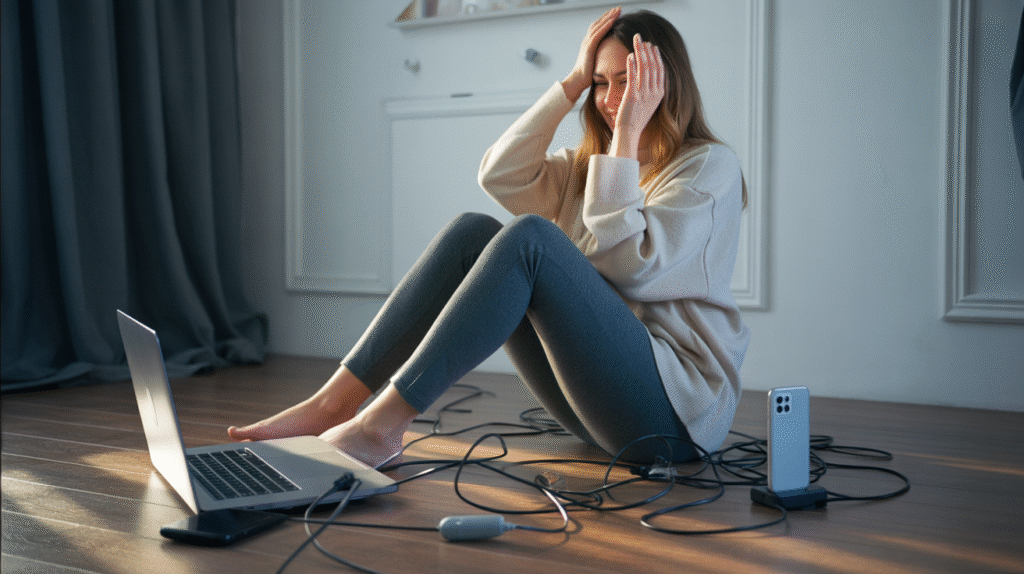
On land, help is never far away. A dead charger? Order a new one on Amazon. A broken router? Call your internet provider. Feeling off? Grab a coffee with a friend to reset. At sea, those safety nets vanish. There’s no delivery truck on the horizon, no technician to swing by, no instant distractions to take the edge off. If something breaks — whether it’s your solar panel, your mood, or your mindset — you’re the one who has to face it.
At first, this was uncomfortable. When my hotspot overheated or a cable corroded, I felt the panic rise. But slowly, yacht life taught me that resilience is a muscle — and each problem was a chance to flex it. I learned to troubleshoot solar systems, to dry out damp tech, to adapt my workflow when tools failed. Even more importantly, I learned to adjust my attitude when the sea threw challenges my way.
The shift wasn’t about becoming invincible. It was about building confidence that I could figure things out. Every small win — repairing a cable, finding a workaround, calming my mind on a rough day — made me stronger.
Self-reliance didn’t isolate me; it empowered me. It reminded me that while community and support are vital, I also carry resourcefulness within me. And that knowledge changed not just how I handled yacht life, but how I approach every challenge now.
I Started Designing Work Around My Life — Not the Other Way Around
Before yacht life, I didn’t even realize how often I asked the wrong question: “How can I squeeze my life around my work?” Vacations, hobbies, even friendships had to be negotiated within the confines of deadlines and schedules. Work was the anchor; everything else had to drift around it. Out at sea, that equation flipped. The rhythms of the ocean — tides, weather, wind — didn’t bend to my calendar. If I wanted this life to work, I had to shape my work around those rhythms instead of fighting them.
That shift was revolutionary. Instead of structuring my days to serve endless tasks, I started structuring them to serve my life. Work blocks happened during calm mornings or golden evenings, not because a clock told me to, but because that’s when I was most present. I stopped cramming every hour with output and started asking: what actually matters today? What will move me forward while leaving space for the life I came here to live?
Ironically, my work improved. By honoring my life first, I brought more clarity, energy, and purpose to the tasks I chose. Deadlines were still met, but they no longer dictated every waking moment. The yacht reminded me that work is a tool to support a life, not the other way around — and living that truth has been the greatest freedom of all.
Closing Thought
When I first boarded the yacht, I thought I was simply changing my office view. What I didn’t expect was that the boat itself would become a teacher, reshaping how I approached work, time, and even myself. The lessons weren’t about working less or caring less; they were about working differently — with more presence, more intention, and more respect for rhythm over rigidity.
The sea reminded me to slow down, to create deeply instead of rushing shallowly. It broke my attachment to the 9–5, showing me that productivity has more to do with energy than with hours. It stripped away busywork, leaving only what mattered. It taught me that rest is fuel, not failure, and that creativity blooms when noise fades. It strengthened my self-reliance, and most importantly, it helped me flip the script — designing work around my life instead of the other way around.
Yacht life doesn’t hand you these lessons gently. It tests you with storms, silence, and scarcity. But if you’re willing to listen, it also gives back clarity, balance, and a richer way of living. The work still gets done — but it’s lighter, stronger, and truer. And so are you.