How I Learned to Thrive as a Freelancer While Living Out of a Backpack
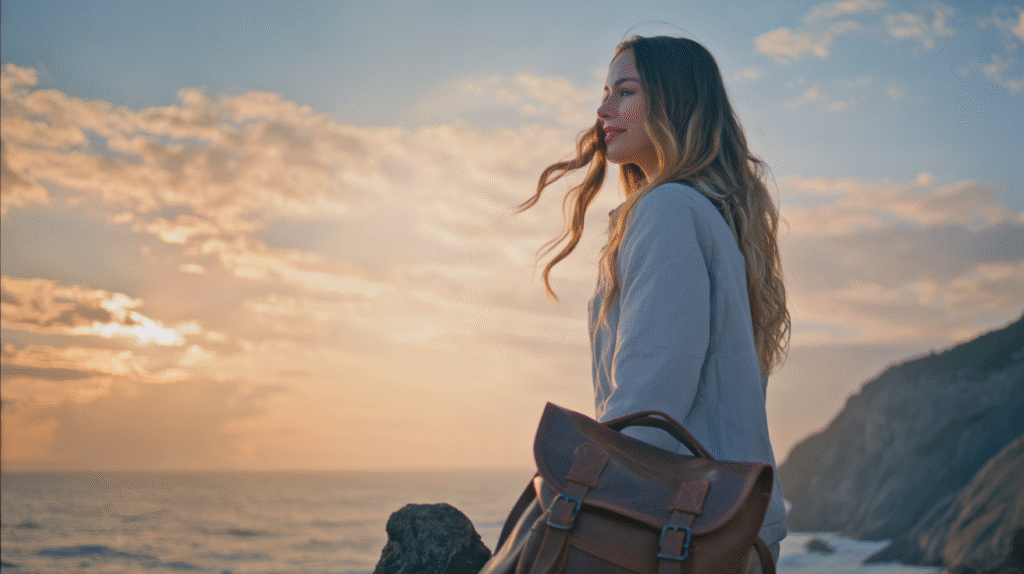
It started with a packed suitcase and a one-way flight to Lisbon. I had a handful of clients, a loosely written to-do list, and a restless energy that told me I couldn’t stay put any longer. I pictured myself working from sunlit cafés, wandering cobblestone streets in the evenings, and somehow building a career that fit neatly inside a 40L backpack.
Of course, the reality looked different. Freelancing while traveling wasn’t all picture-perfect beach offices or seamless Wi-Fi connections. It was messy, unpredictable, and full of moments where I questioned whether I was cut out for it. But it was also the best classroom I could have asked for — teaching me not just how to manage work on the move, but how to take better care of myself and design a lifestyle that actually worked for me.
What I didn’t realize then was that thriving as a freelancer wasn’t about finding the perfect destination or the right gear. It was about building steady foundations I could carry anywhere: routines, boundaries, systems, and the mindset to stay grounded no matter where I landed.
Here’s what I learned along the way — and how living out of a backpack reshaped the way I work and live.
I Had to Redefine What a “Workday” Looked Like
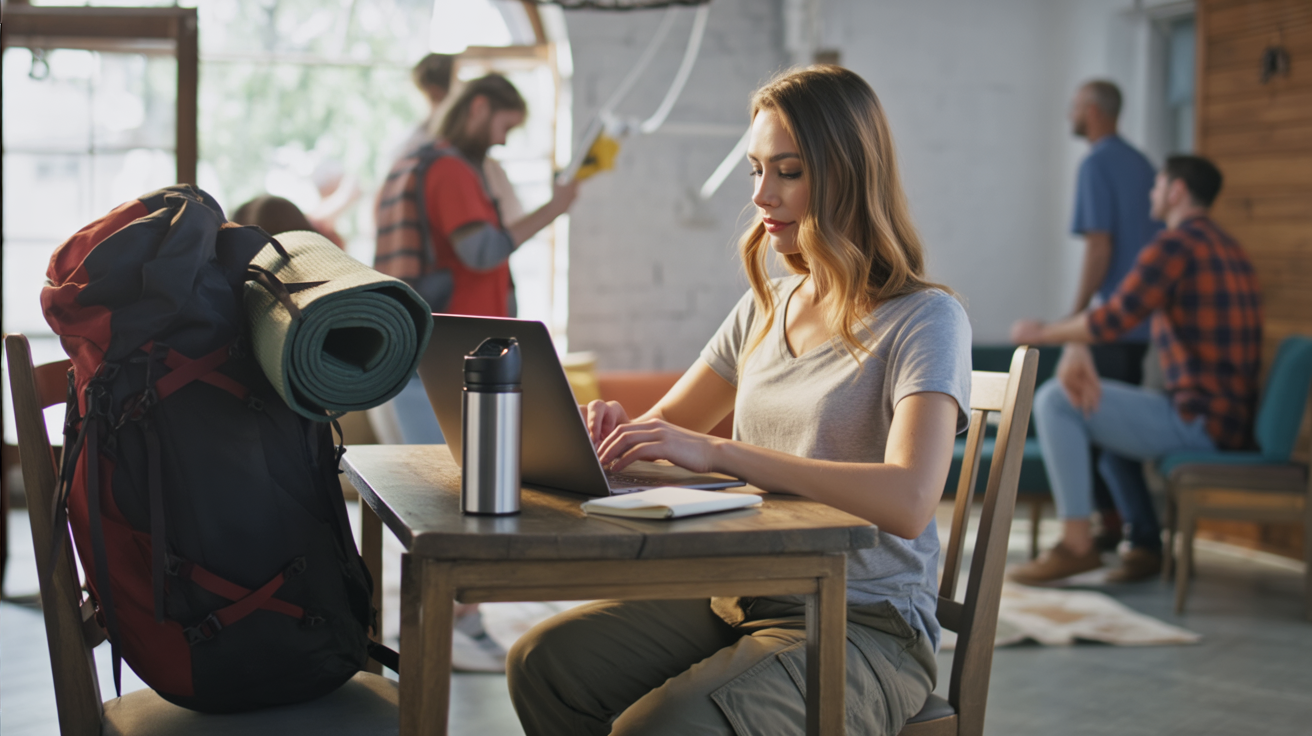
When I first started freelancing on the road, I thought I could just copy and paste my old 9–5 routine into a new setting. Spoiler: it didn’t survive the first week. Travel throws your days into constant motion. Some mornings I was awake at dawn, hair still wet from a quick swim, ready to knock out client work before the streets got busy. Other times, I wouldn’t even open my laptop until late evening, editing drafts in a quiet hostel kitchen while strangers boiled pasta a few feet away.
At first, this felt chaotic — like I was doing something “wrong” by not keeping strict office hours. But the more I leaned into it, the more I realized that productivity wasn’t about clocking hours; it was about energy. I started paying attention to when I naturally had focus and when I didn’t. Instead of forcing myself into an artificial schedule, I let my work expand or contract to fit my rhythms.
That small mindset shift changed everything. Work stopped feeling like a constant source of guilt, and free time stopped feeling stolen. I could enjoy a midday hike or a slow lunch without the nagging thought that I was “slacking off,” because I knew I’d get my best work done later.
The key is building structure without rigidity. For me, that meant setting non-negotiables: a weekly planning session, a daily priority list, and clear cut-off times to protect rest. Beyond that, the flexibility was the point. A workday no longer had to look one way — it just had to support both my clients and my life.
I Made Peace with Unstable Wi-Fi (and Myself)
If freelancing while traveling has a universal challenge, it’s Wi-Fi. I can’t count the number of times the internet cut out mid-client call or crawled so slowly I couldn’t upload a single file. Once, in Oaxaca, the café’s connection dropped during a presentation. In Bali, my hotspot died right before a deadline. Each time, my first reaction was panic — the “I’m unprofessional, they’ll never hire me again” spiral.
But here’s what I learned: Wi-Fi will fail you, but your systems don’t have to. The calmer you are, the faster you recover. Instead of letting these moments unravel me, I started building backup plans into everything. I’d download files locally, prepare slides offline, and keep two SIMs (or an eSIM) active so I had options. Whenever I knew I had an important call, I’d scout my connection ahead of time and have a plan B café or coworking space in mind.
The real shift, though, was internal. I stopped tying my worth to flawless conditions. The truth is, clients don’t care if you’re working from a café in Bali or a kitchen table in Berlin — they care that you communicate, deliver, and handle hiccups without drama. By staying calm and proactive, I showed them I could be relied on even when things didn’t go perfectly.
Now, instead of dreading the next inevitable outage, I treat it as part of the job. Unstable Wi-Fi comes with the territory, but it doesn’t have to derail your day — not if you’ve built systems and the mindset to adapt.
I Started Saying “No” More Than “Yes”
When I first hit the road, I said yes to everything. Every client project, every social invite, every group trip. I thought that’s what freelancing while traveling was supposed to look like — endless work opportunities paired with endless adventures. But very quickly, I hit a wall. I was overcommitted, under-rested, and my bank account wasn’t as happy as my Instagram feed looked.
The turning point came after I took on a project I didn’t enjoy, just because I was afraid to say no. I ended up stressed, resentful, and questioning why I left my old job in the first place. That’s when I realized: freelancing isn’t about saying yes to everything. It’s about creating space for the right yeses.
Learning to say no felt uncomfortable at first. I worried clients would walk away, or friends would stop inviting me. But the opposite happened. By setting boundaries, I attracted better clients who respected my time, and I had more energy for the trips and friendships I actually cared about. Saying no didn’t mean shutting out opportunities; it meant making room for the ones that aligned with what I wanted.
Now, I check in with myself before agreeing to anything: Do I have the bandwidth? Does this project or plan add value to my life, or will it drain me? If it’s not a clear yes, it’s a no. And honestly, that one habit has done more for my peace of mind than any productivity hack.
Boundaries aren’t about missing out — they’re about making sure the life you’re building is one you actually enjoy living.
I Found Community in the Most Unexpected Places
Before I started traveling, I assumed my community would come from coworking hubs, networking events, or nomad Facebook groups. And while those have their place, most of my real connections came from smaller, less expected moments. The barista who learned my name after a week of morning coffees. The artist sketching in the park who invited me to their gallery show. The neighbor who showed up at my door with fresh bread.
These interactions didn’t look like the big, bustling nomad meetups I imagined, but they felt more genuine. They reminded me that connection doesn’t always have to come in large doses. Sometimes it’s those tiny threads — the casual chats, the shared meals, the quick laughs — that weave the strongest net of belonging.
At first, I dismissed these as “too small” to count. I thought I had to find a full circle of nomad friends to feel settled. But over time, I realized that these everyday relationships mattered more than I expected. They gave me a sense of grounding in places where I knew no one. They turned a city from just another stop into a temporary home.
The big lesson here? Community is everywhere, if you’re open to it. It doesn’t always announce itself in coworking lounges or curated retreats. Sometimes it’s sitting across from you at a café, or standing behind you in a market line. You don’t have to force it — you just have to notice it.
As a freelancer on the move, building community isn’t about numbers. It’s about quality, presence, and being open to the connections that sneak up on you.
I Became My Own Favorite Boss
One of the scariest and most liberating parts of freelancing is that no one is watching you. There’s no manager checking in, no performance reviews, no HR department keeping track. At first, that felt like total freedom — I could work whenever, wherever. But after a while, I realized freedom without direction can easily slide into chaos.
To thrive, I had to step into the role of being my own boss — and not just in the fun ways. That meant setting my own deadlines, raising my rates when the time was right, and holding myself accountable to professional standards even when no one else was looking. It also meant knowing when to give myself time off, because burnout doesn’t magically disappear just because you’re working from a beach.
The balance was tricky. Some days I pushed too hard, chasing every opportunity. Other days I slacked, convincing myself that “tomorrow” would be more productive. Over time, I learned that being a good boss to myself meant creating structure and compassion in equal measure. I had to know when to tighten the reins and when to ease up.
Simple systems helped: weekly reviews to track progress, financial check-ins, and clear working hours (even if they were flexible). But the real growth came from shifting my mindset. I stopped waiting for permission to take action — whether it was negotiating a better contract, taking a mental health day, or trying a new niche. I realized that I didn’t need approval; I needed priorities.
Now, when I look at my career, I see it as something I actively steer rather than something that just happens to me. And honestly? Becoming my own favorite boss has been one of the most empowering parts of freelancing on the road.
I Learned the Art of Traveling Light — in More Ways Than One
When I first packed for the road, I stuffed way too much into my backpack. Clothes I “might” wear, gadgets I thought I’d need, books I swore I’d finally read. Within weeks, I was regretting every extra pound. Lugging that bag up hostel stairs or through crowded train stations made me question all my choices.
Slowly, I pared it down. I let go of the jeans I never wore, the bulky gear that collected dust, even the little “just in case” items that never left the bottom of my bag. Each time I removed something, I felt lighter — not just physically, but mentally. Having less meant I spent less time digging for things, less time worrying about what to pack, and more time actually living.
But “traveling light” ended up being about more than stuff. I noticed I was carrying habits and expectations that didn’t serve me either. Always saying yes, overbooking myself, clinging to routines that didn’t fit this new lifestyle. Letting go of those was just as freeing as ditching the extra pair of shoes.
Minimalism stopped being about deprivation and became about space. Space in my bag, space in my day, space in my head. I realized the less I carried — in every sense — the more room I had for what mattered: meaningful projects, real connections, and experiences I actually wanted.
If you’re starting out, know this: you’ll probably overpack, and that’s okay. But over time, you’ll learn what you really need — and what you don’t. And once you let go of the excess, the freedom you gain is worth more than anything you left behind.
I Made Room for Stillness
When you first start traveling full-time, it’s tempting to keep moving. New cities call your name, cheap flights pop up, and there’s always another “must-see” spot around the corner. I fell into that cycle early on — hopping from one place to the next, thinking the faster I moved, the more I was experiencing. But eventually, I realized I was skimming the surface instead of really living.
The most meaningful moments didn’t come from rushing. They came from slowing down. Staying long enough to learn my neighbor’s name. Visiting the same bakery so often that the smell of fresh bread felt familiar. Walking the same street until I could navigate it without a map. That’s when a place stopped feeling like a stopover and started feeling like home.
Stillness also gave me space to breathe. Constant motion is exciting, but it’s draining too. By pausing, I found time to reflect, reset, and enjoy the routines that grounded me. Even simple things — like making tea in the same kitchen every morning or having a “regular” spot to work from — gave me a sense of belonging I didn’t know I craved.
It took me a while to understand that being still isn’t the opposite of adventure; it’s part of it. Movement shows you the world, but stillness lets the world sink in. And when you let yourself settle, even for a little while, you realize freedom isn’t just about how far you go — it’s also about how fully you can feel at home wherever you are.
I Realized Health Was My Greatest Asset
In the beginning, I treated my body like it was invincible. Late nights on client projects, too much coffee, skipped meals, and long travel days with barely any rest — I thought I could push through it all. And for a while, I did. But eventually, the cracks showed. I got sick more often, my focus tanked, and even the things I loved about traveling started to feel exhausting.
That’s when it hit me: my health was the foundation of everything. Without it, deadlines became overwhelming, adventures felt like chores, and freedom didn’t feel free anymore.
I started making small changes. Prioritizing sleep even if it meant saying no to a night out. Carrying a reusable water bottle and actually using it. Doing quick stretches in train stations or hostels just to keep my body moving. None of it was fancy or Instagram-worthy, but the difference was huge. I had more energy, more clarity, and more joy in the lifestyle I’d worked so hard to build.
Health also meant paying attention to mental well-being. I learned that rest days were just as important as sightseeing days. Journaling, meditating, or even just sitting in silence for a while helped me stay balanced when everything around me was constantly shifting.
The reality is, your body is your business’s biggest asset. Laptops can be replaced, flights can be rebooked, clients can come and go — but without your health, none of it works. Protecting it isn’t optional; it’s essential.
I Built Systems That Traveled With Me
When I first started freelancing while traveling, I thought I could keep everything in my head — client deadlines, invoices, travel dates, packing lists. That worked for about a week before things started slipping. I missed a payment reminder, double-booked myself, and nearly left a favorite sweater behind in a hostel laundry room. That’s when I realized: my brain wasn’t built to handle the constant mix of work and travel logistics. I needed systems.
I started small. A project board in Notion to track client work. A simple invoicing tool that sent reminders automatically. A shared calendar that held not just meetings, but flight times, visa deadlines, and even reminders to back up my files. Over time, these tools became my portable HQ — a structure I could open anywhere in the world and instantly feel grounded.
The best part was how much mental space it freed up. Instead of carrying everything in my head, I could drop it into my systems and trust it would be there when I needed it. That meant fewer panicked “Did I forget something?” moments and more energy for actual work (and fun).
At first, I worried systems would make me feel boxed in. But I learned the opposite is true: structure sustains freedom. Having clear processes let me be spontaneous without losing control. I could say yes to last-minute trips or long dinners because I knew the important stuff was organized.
If you’re juggling both freelancing and travel, don’t wait until you’re overwhelmed to set up systems. Start early, keep them simple, and let them grow with you. They’ll become the invisible safety net that makes this lifestyle sustainable.
I Learned to Work With My Surroundings — Not Against Them
In the beginning, I wasted a lot of energy chasing “perfect” work conditions. I thought I needed total quiet, the right chair, the right lighting — basically, a mini office setup wherever I went. But the reality of working on the road is that perfection rarely exists. Cafés are noisy, hostel Wi-Fi cuts in and out, buses rattle, and street musicians don’t exactly take requests.
At first, it frustrated me. I’d sit in a busy café annoyed that people were talking, or I’d lose focus on a train because of constant noise. But eventually, I realized I had two choices: keep fighting my surroundings, or learn to adapt to them. Once I leaned into flexibility, everything got easier.
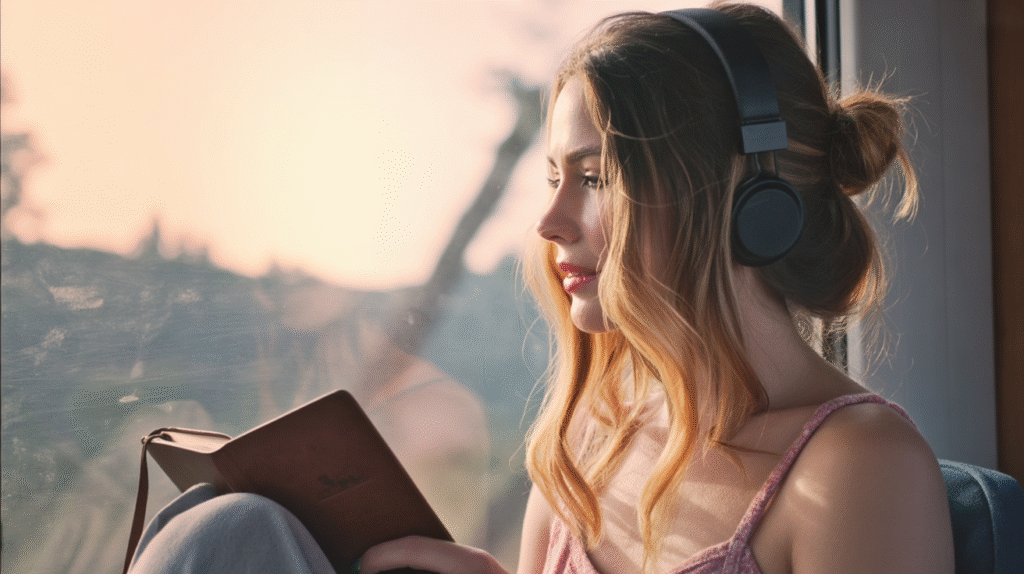
I bought noise-canceling headphones so I could work through chatter. I learned to batch the kind of tasks I could do offline — like writing drafts — so I could knock them out during flights or bus rides. Instead of seeing background noise as a problem, I started treating it as part of the experience. Working with music from a street festival drifting in the window or finishing edits on a train through the Alps added color to my days instead of ruining them.
The shift wasn’t about lowering standards; it was about adjusting expectations. Perfect quiet is rare on the road, but focus is still possible. Once I stopped resisting and started working with what I had, I got more done and enjoyed the process a lot more.
Flexibility, I learned, is a freelancer’s real superpower. The more adaptable you are, the less stress you carry — and the more energy you have to actually enjoy the freedom you built for yourself.
I Stopped Comparing My Journey to Others
When you’re surrounded by other freelancers and nomads, it’s easy to slip into comparison mode. Someone is scaling their business to six figures, another is working with big-name clients, and someone else seems to have the perfect balance of travel and income. Early on, I constantly measured myself against those stories — and always came up short.
It took a while, but I realized that comparing journeys was draining me more than motivating me. Everyone’s lifestyle looks different because everyone’s priorities are different. Some nomads want to grow huge businesses, others are happy earning enough to cover their needs and spend the rest of the time exploring. Neither is “better” — they’re just different paths.
When I stopped chasing someone else’s version of success, I finally started enjoying mine. I realized I didn’t need to match anyone else’s pace. If I wanted to take a slower month, that was fine. If I wanted to raise my rates and work less, that was my choice. Once I leaned into what I actually wanted, the comparison lost its grip.
I also learned that what you see online is never the full picture. Behind the highlight reels are struggles you’ll never know about — burnout, loneliness, money stress. Judging myself against a curated snapshot wasn’t fair or useful.
Now, instead of asking, “Am I doing as well as them?” I ask, “Does this feel right for me?” That one shift brought so much relief. It reminded me that freelancing and travel aren’t about meeting a universal benchmark — they’re about creating a life that feels good to you. And no one else can define that.
I Learned That Gratitude Changes Everything
Not every day of freelancing while traveling is beautiful. Some days are lonely, messy, or just plain hard. I’ve sat in hostel kitchens eating instant noodles for the third night in a row, dealt with missed flights, and had projects fall through at the worst times. It’s easy in those moments to slip into frustration and wonder if all the effort is worth it.
What shifted things for me was practicing gratitude — not in a forced, “toxic positivity” way, but in noticing small, real moments. The warmth of morning light across my hands while I typed. The smell of bread drifting in from a street bakery. A stranger helping me with directions when I was lost. When I paid attention to those details, even on rough days, the whole experience felt lighter.
Gratitude didn’t erase the challenges, but it reframed them. Instead of focusing on what wasn’t working, I started noticing how much I already had: the freedom to design my day, the chance to live in new places, the fact that my work was funding this adventure at all. That shift made me more resilient when things went wrong.
It also made the good days even better. Celebrating a small client win felt bigger when I paired it with appreciation for where I was sitting — maybe a rooftop café in Athens or a quiet library in Ljubljana. The combination of work progress and travel gratitude reminded me why I chose this lifestyle in the first place.
In the end, gratitude turned freelancing on the road from something I was constantly managing into something I was actively enjoying. And that perspective has been one of the most powerful tools I’ve carried with me.
Closing Thought
Thriving as a freelancer while living out of a backpack isn’t about perfect conditions. The Wi-Fi will fail, flights will get delayed, and you’ll question yourself more than once. What makes the difference is how you adapt — the systems you build, the boundaries you set, and the mindset you carry with you.
Over time, I realized this lifestyle isn’t about having the ideal setup or always being productive. It’s about learning to feel at home anywhere because you’ve built stability inside yourself. A backpack can only carry so much, but when you fill it with the right habits, priorities, and a little resilience, it’s enough.
I didn’t just earn a living while traveling — I learned how to live while traveling. The lessons I picked up along the way — flexibility, gratitude, health, community — are things I’ll carry far longer than the backpack itself. And that’s the real success: creating a version of life that feels like yours, no matter where you land.