How I Built My Backpacker Digital Nomad Life From Scratch
No trust fund. No travel partner. No clue what I was doing. Just a secondhand backpack, a half-functioning laptop, and a deep desire to live a life that felt spacious, mobile, and free. I didn’t have a plan; I had persistence.
The truth is, this lifestyle looks simple on Instagram — hammocks, laptops, sunsets — but starting it from scratch is anything but. What I really began with was fear, uncertainty, and the nagging thought that maybe I was out of my depth. Yet every choice I made — every packed cube, every freelance pitch, every awkward hostel check-in — became a small brick in the foundation of a life that felt entirely mine.
This story isn’t about shortcuts or secret formulas. It’s about the messy, human process of building freedom when all you have is a backpack and a stubborn heart. If you’re wondering whether you could do the same, here’s my honest journey: the missteps, the breakthroughs, and the quiet wins that made me realize I didn’t need to wait for perfect conditions to live the life I dreamed of.
Word count: 192
I Downsized My Life Before I Booked a Ticket
It started with a purge. Not just of stuff, but of identities I had been carrying without realizing it. My apartment was small, but it was full of versions of me that no longer fit: clothes for nights out I didn’t enjoy anymore, shelves of unread books I swore I’d “get to someday,” and drawers of receipts and subscriptions that were just weighing me down.
I remember sitting on the floor surrounded by piles — donation bags, things to sell, things I couldn’t believe I’d kept. It was overwhelming at first, like I was dismantling the only proof of the life I had lived. But something shifted. With every box carried out the door, I felt a little lighter. My room echoed more, but inside, there was a calm I hadn’t known in years.
Downsizing wasn’t only about fitting my belongings into a backpack; it was about stripping away everything I thought I was supposed to hold onto. Furniture that made me feel “grown up.” Clothes that made me look like someone else. Even habits and roles I thought defined me — the dependable friend who always stayed put, the daughter who never left. Letting go of these versions of myself made space for something unknown, and that was scary. But it also felt like freedom.
Here’s the thing no one tells you: minimalism isn’t about owning less, it’s about trusting more. Trusting that you don’t need as much as you think. Trusting that when you land in a new city, you’ll figure out where to get what you need. Trusting that who you are matters more than what you pack.
If you’re starting this path, my advice is simple: begin with one drawer, one shelf, one part of your digital clutter. Don’t try to do it all in a weekend. Downsizing is emotional work as much as practical. Give yourself permission to grieve what you let go of, then remind yourself what you’re making space for: mornings unburdened, choices that feel lighter, and a life that fits in a backpack but expands endlessly once you step outside.
I Took My Freelance Skills Seriously
For a long time, I treated freelancing like a hobby. Something I did in between “real work,” or when I needed extra money for a weekend trip. But when I realized this was my ticket out, everything shifted. I stopped brushing off my skills as “just side gigs” and started building them into something that could sustain me beyond a paycheck — something that could fund my freedom.
I began by pulling together a scrappy portfolio. Nothing fancy; just screenshots, samples, and a simple website that told the truth: this is what I can do, and here’s proof I’ve done it. My first jobs weren’t glamorous. Editing blog posts for tiny websites. Designing social media graphics for small businesses. Writing copy that got rejected and rewritten. But each job was a stepping stone, and each “yes” gave me proof that I could build something real.
The hardest part wasn’t the work — it was my mindset. When people asked what I did, I had to stop saying “oh, just some freelance stuff.” That language kept me small. Instead, I practiced saying “I’m a freelancer, I help businesses with content and design.” It felt awkward at first, almost like lying, until one day it didn’t. Until one day, I believed it.
Of course, freelancing came with its challenges. Unpaid invoices. Clients who ghosted. Weeks where work dried up. But instead of seeing those moments as reasons to quit, I treated them like training. Every tough client taught me how to set boundaries. Every dry spell taught me how to pitch better. Every small win reminded me why this mattered: if I could make money with just my laptop, I could work anywhere.
If you’re starting out, my advice is to stop waiting until you’re “ready.” You don’t need a polished portfolio or big-name clients before you begin. Start where you are, with what you can do today. Say yes to the small jobs, then use them to build your confidence and your proof. Most importantly, own the title. Because the moment you take your freelance work seriously, other people will, too.
I Learned the Hard Way What Not to Pack
My first backpacking trip was a comedy of errors. I thought I was being practical, but really, I was stuffing every “just in case” item I could think of into a bag that refused to close. Three pairs of jeans, a blow dryer, too many books, even a pair of heels I hadn’t worn in years — all of it seemed essential when I was packing, but quickly became dead weight once I was on the road.
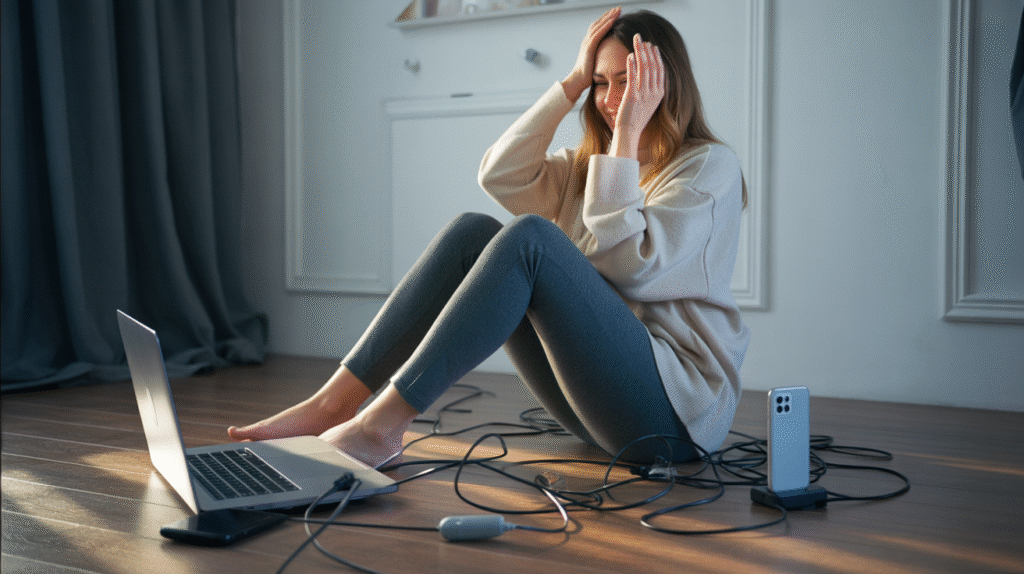
I’ll never forget that first meltdown in a cramped hostel room. I was sweating, pulling on the zipper with all my strength, tears streaming because my bag simply wouldn’t close. Other travelers looked at me with a mix of sympathy and amusement, their compact little packs lined neatly by their beds while I wrestled with mine like it was a wild animal. That moment humbled me. It showed me that the romantic idea of “traveling light” wasn’t optional; it was survival.
Over time, I learned to value versatility over volume. I discovered that one pair of durable sandals could outlast three pairs of trendy shoes. A quick-dry towel could save me from carrying bulky cotton ones. A single packing cube with three favorite outfits felt more comforting than an overstuffed bag full of clothes I never touched.
The deeper lesson was this: packing light isn’t about deprivation, it’s about clarity. Every item I let go of taught me something about what I actually need to feel comfortable and confident. And every unnecessary gadget or “someday outfit” I ditched along the way freed me from the pressure to carry more than my share.
If you’re new to this lifestyle, here’s what I’d suggest: pack once, then unpack and remove a third of it. Focus on items that are multi-use and reliable. Bring what makes you feel like yourself, but be ruthless about what’s only there to soothe your fear of not having enough. Because the truth is, most of the time, you’ll need far less than you think — and you’ll thank yourself every time you lift your bag onto your shoulders and realize you can actually walk with it.
I Found Freedom in Community
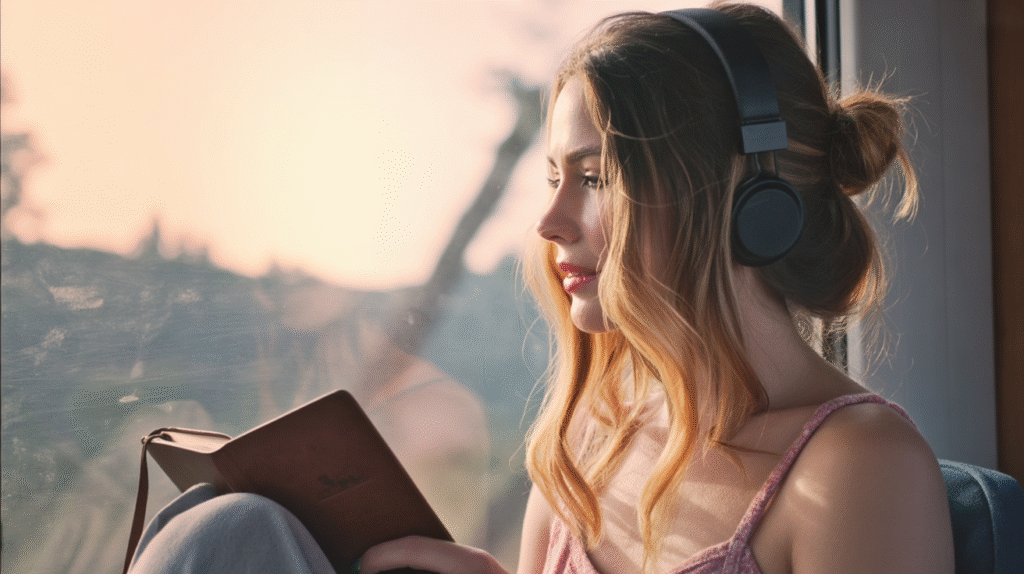
When I first set out, I expected to do this alone. I imagined solitary train rides, quiet nights journaling in hostel bunks, and long walks through new cities with only my thoughts for company. And while there were plenty of those moments, what surprised me most was how quickly community found me.
It started in small ways. A casual chat in a hostel kitchen while waiting for the shared pot to boil. An invitation to join a walking tour from someone I’d just met in the lobby. A late-night card game that spiraled into a group dinner the next day. These weren’t just passing encounters; they were the foundation of a kind of freedom I hadn’t anticipated — the freedom of not having to explain myself.
Other nomads understood why I had chosen this life. They knew the highs of landing in a new country with no plan except curiosity, and the lows of chasing Wi-Fi signals at midnight. We traded tips, swapped gear, shared meals, and sometimes, even whole chapters of our journeys. The bonds were quick to form, yet strangely deep, because we met each other in the middle of change, away from the roles and routines that usually define us.
There were challenges too. People came and went. Friendships flared up and fizzled out in a matter of weeks. But even that taught me something invaluable: community doesn’t have to mean permanence. Sometimes it’s a single conversation that shifts your perspective, or a shared moment of laughter that carries you through a lonely day.
If you’re nervous about traveling solo, here’s what I’d say: stay open. Don’t be afraid to introduce yourself in a hostel lounge or ask to join the group cooking pasta in the kitchen. Most travelers are looking for connection just like you are. And when you find those people — the ones who get your jokes, who swap Spotify playlists with you, who help you carry your bag up the stairs — you’ll realize that freedom isn’t only found in solitude. Sometimes, it’s found at a crowded dinner table in a city you just met.
I Let Go of the Need to “Do It Right”
In the beginning, I thought there was a secret formula to doing this life “correctly.” I read endless blogs, watched YouTube videos, and tried to follow checklists made by people who seemed to have it all figured out. I stressed about choosing the “perfect” destination, worried about getting the right gear, and second-guessed every decision as if one wrong move would break the whole experiment.
But life on the road quickly dismantled that illusion. The city I thought would be magical turned out to be noisy, expensive, and lonely. A client I thought was a dream made me dread opening my laptop. My carefully mapped travel itinerary unraveled when a bus broke down, a storm delayed flights, or my energy simply ran out. At first, I felt like I was failing — as if there was some invisible grading system, and I was flunking.
What I came to realize is that there’s no “right” way to be a digital nomad, especially as a backpacker. Some people thrive on constant movement, others need to stay in one place for months. Some chase the cheapest beds, others splurge on comfort when they need it. The real success isn’t about following a perfect formula; it’s about creating a rhythm that fits you, even if it looks messy from the outside.
Letting go of that pressure gave me space to experiment. I started booking shorter stays instead of long ones when I wasn’t sure. I gave myself permission to take a break from sightseeing and stay in with Netflix when I needed rest. I accepted that burned-out weeks happen, that some trips are disappointing, and that none of it means I’ve failed. It just means I’m learning.
If you’re starting this lifestyle, here’s the truth: you don’t have to get it perfect. You only have to get it honest. Your path will twist, stall, and restart more times than you expect, and that’s not a mistake — it’s the process. Freedom doesn’t come from doing it right; it comes from realizing you can pivot without apology.
I Built Routines That Felt Like Home
One of the biggest surprises about backpacker life was how much I craved routine. At first, I thought constant novelty would be enough to keep me grounded — new cities, new foods, new beds every week. But after a while, the endless change started to feel chaotic. I realized I needed small anchors to remind me of who I was, no matter where I was.
So I started building rituals. Nothing complicated; just simple touchpoints that made me feel steady. Every morning, I made tea before opening my laptop, even if I had to hunt down a kettle in the hostel kitchen. I stretched for five minutes before sitting down to work, giving my body a sense of continuity after overnight buses and awkward airplane seats. Once a week, I sat down with my notebook to check my budget, making sure the thrill of freedom didn’t tip me into stress about money.
These small habits became a kind of home I carried with me. It didn’t matter if I was in a bustling co-living space in Lisbon or a quiet guesthouse in Chiang Mai; those routines reminded me I wasn’t drifting. They gave me a rhythm to return to when everything else felt uncertain.
What I learned is that home isn’t always a place; sometimes it’s a pattern. And for nomads, routines aren’t restrictions — they’re freedoms in disguise. They protect your energy, help you stay productive, and give you the calm you need to actually enjoy the adventure.
If you’re building your own routines, keep them small and flexible. Choose habits that travel well: journaling, daily walks, morning stretches, weekly check-ins with loved ones. Avoid routines that depend on specific environments, because those will break the moment you change countries. The key is to create rituals that are portable, simple, and meaningful.
Because when you can roll out of bed in a new city and still know exactly how to start your day, you carry a piece of home with you everywhere — and that’s worth more than any permanent address.
I Realized I Was Never Going Back
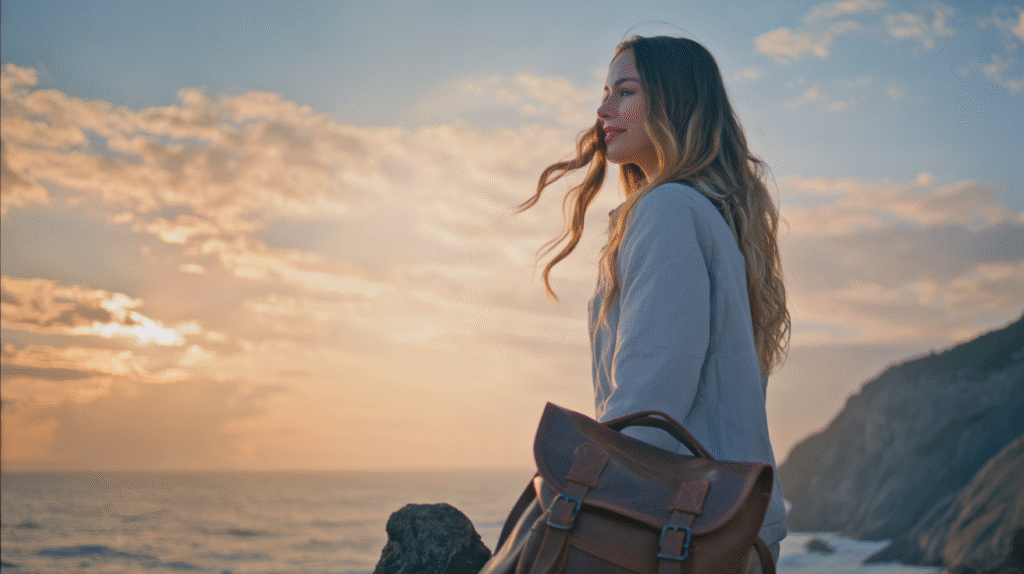
There was no dramatic movie moment when I decided this life was permanent. No teary farewell to my hometown, no fireworks at a foreign border. Instead, it was a quiet knowing that settled in slowly, like sunrise easing over the horizon. One morning, sitting on a cliff at dawn with my backpack beside me, I realized I didn’t feel like I was “in transition” anymore. This wasn’t a break from real life; this was my life.
In the early months, I had told myself I was just “trying it out.” I kept an imaginary exit plan in my back pocket, convincing myself I could always return to the safety of routine, to the furniture I’d sold, to the identity I’d left behind. But the longer I traveled, the less that backup plan felt necessary. Each new city, each new client, each new friendship stitched together a sense of belonging that had nothing to do with permanence.
What really sealed it wasn’t the excitement — it was the contentment. The joy of carrying everything I needed on my back. The relief of knowing I could earn my living from anywhere. The peace of realizing I didn’t need to chase some perfect destination, because the freedom was already here, in the way I lived.
Of course, there were challenges. Loneliness still knocked sometimes. Work dried up occasionally. I had nights where I questioned everything. But instead of seeing those as reasons to quit, I saw them as proof that this was real life — not a fantasy, not a vacation. And real life, no matter where you live it, comes with bumps.
If you’re waiting for a sign that you’re “ready” to make this lifestyle permanent, it may never come with bells and whistles. More often, it comes quietly, in an ordinary moment when you realize you can’t imagine going back to the way things were. That’s how it was for me. No big announcement, just a smile in the early morning light, knowing the road ahead was home.
Closing Thought
You don’t need it all figured out before you start. I know because I didn’t. My life as a backpacker digital nomad wasn’t born from certainty; it was born from a willingness to try, to stumble, and to keep going anyway. Looking back, the most powerful lesson wasn’t about the gear I chose, the cities I visited, or even the work I built — it was about learning to trust myself in the unknown.
Every border crossed, every hostel check-in, every freelance pitch was a small act of bravery that added up to something bigger. I thought I was chasing freedom, but really, I was learning how to create it from the inside out.
This lifestyle isn’t about running away from who you were; it’s about coming home to who you are, piece by piece, choice by choice. And the beauty of it is, there’s no single right path. Your version might look wildly different from mine. What matters is that you take the first step, however imperfectly, and let the rest unfold.
Because one day, without even realizing it, you’ll wake up in a new place, with your backpack by your side, and feel the quiet certainty that you’ve built a life that belongs to you. And that is enough.