The Truth About Glamping as a Digital Nomad: What Instagram Doesn’t Show You
Glamping looks like the dream life for digital nomads; linen sheets tucked inside safari-style tents, forest views spilling in through canvas flaps, and laptops posed neatly beside artisanal mugs of matcha. Instagram makes it all seem effortless, a blend of wanderlust and productivity wrapped in aesthetic perfection. But the reality is layered, softer, and much more human than a curated feed will ever capture.
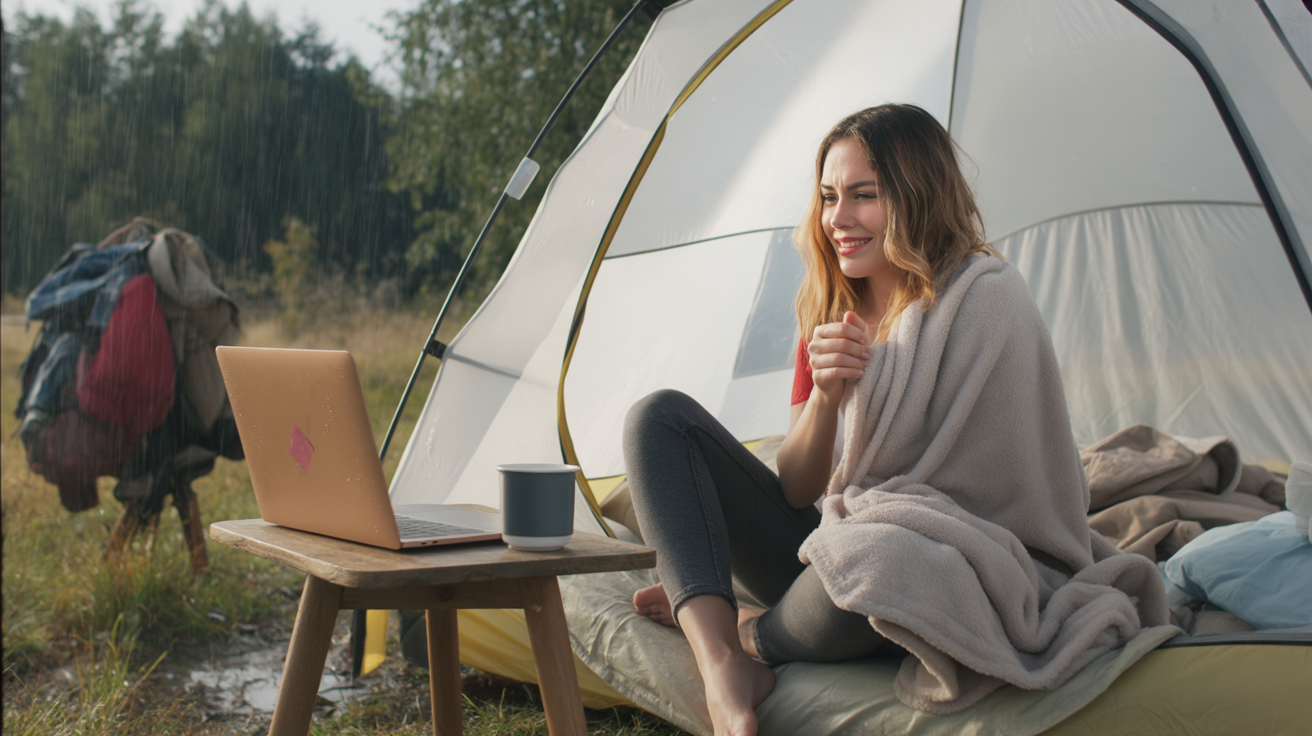
Because here’s the truth: glamping isn’t just about the tent, the view, or the bohemian vibe. It’s about navigating solitude in a beautiful but sometimes isolating setting. It’s about learning patience when Wi-Fi cuts out mid-call, or when a sudden storm rattles the walls while you’re on deadline. It’s about spilling tea on your favorite throw, swatting at mosquitoes as you type, and realizing that the imperfect moments are often the ones that linger longest in memory.
And yet—there’s a kind of quiet magic in it all. In the slowness. In the way the outside world seeps in and makes you notice how you’re living, not just what you’re producing. Glamping as a nomad teaches you that beauty and mess can coexist, and that both have a place in building a life you actually want.
It’s Not Always Instagram-Perfect And That’s the Point
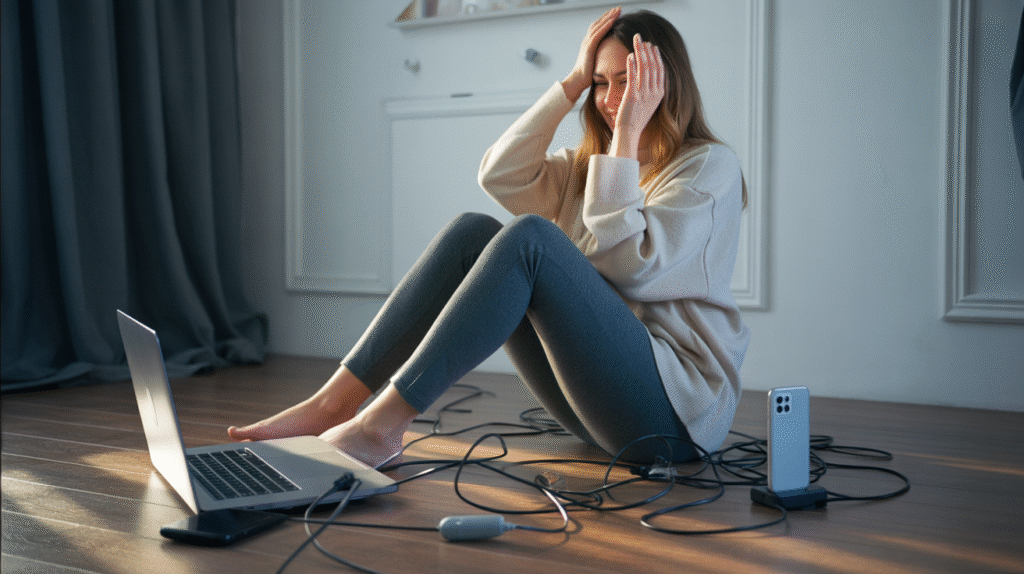
Here’s the thing about glamping: it looks flawless online, but the lived reality is messy in ways you never see on a curated feed. Morning dew makes floors slick; dust sneaks in; a single outlet hides behind the bed. You will knock a cup, misplace a cable, and discover that the “desk” is really a side table that wobbles when you type. That is normal, not a fail.
Why this is hard: most of us arrive with hotel expectations. Glampsites are closer to camping with amenities than hotels with canvas walls. You are managing light, airflow, surfaces, and power in a semi-outdoor room. Small inconveniences stack up and quietly drain focus; a loose table here, a damp blanket there, cords across walking paths. If you keep trying to maintain a showroom, you will lose an hour a day to frustration.
What works in practice:
- Pack a compact power strip with a two-meter cord and surge protection; one outlet becomes four.
- Bring six binder clips or mini clamps; they pin notes, tame glare, and stabilize a tablecloth.
- Add a microfiber towel and two zip bags; wipe spills fast and bag wet gear.
- A folding crate becomes a nightstand or gear shelf; it also lifts your laptop off the floor.
- Gaffer tape for quick fixes; a short strip on the floor becomes a safe cable channel.
- A lightweight laptop stand and external keyboard make any low table workable.
Make the space functional first, pretty second. Do a two-minute “reset” after breakfast and before bed: wipe surfaces, coil cables, empty trash, check battery banks. Create a landing zone near the door for shoes and wet items; a small doormat or spare towel prevents half your mess. Keep a “work pouch” that holds charger, hotspot, earbuds, and adapters so you can move stations without hunting.
Mindset matters too. Decide what is “good enough” for the day. The coffee ring on the table does not affect your client call; a stable camera and clear audio do. Treat scuffs as proof of use, not problems to fix. When you stop fighting the environment and start engineering it, glamping becomes far less performative and a lot more productive.
You’ll Still Feel Lonely; Just Surrounded by Pretty Things
Glamping setups are designed to soothe the senses. You’ll have string lights glowing against canvas, a hammock strung between trees, and a view that feels like it belongs on a postcard. But the truth is, even in the most beautiful setting, loneliness can still creep in. The silence after dark feels louder when there’s no one to share it with, and the prettiest breakfast looks flatter when eaten alone for the third day straight.
Loneliness here isn’t dramatic—it’s subtle. It shows up when you’ve had a long workday and realize you don’t have anyone to debrief with. Or when you laugh at something on your screen and wish someone else was in the room to hear it. Many nomads think changing scenery fixes that ache, but the reality is: aesthetics can only carry you so far.
Here’s what helps: build social rituals into your stay before you need them. Schedule two video calls a week with close friends; don’t wait until you’re feeling low to reach out. Join a virtual coworking session—you’ll be surprised how grounding it feels just to have other people typing alongside you. If the campsite is near a town, scope out a local café where you can swap a few words with staff and regulars. That small dose of human contact breaks the isolation loop.
Invite connection where you can. Some glampsites attract other nomads; strike up casual chats, even if it’s just about Wi-Fi strength or nearby hiking trails. These small conversations can evolve into shared meals or co-working afternoons. If you’re more introverted, lean on asynchronous tools: voice notes, shared playlists, or journaling exchanges with friends. They keep you tethered without the pressure of live interaction.
Most importantly, recognize that loneliness doesn’t mean you made the wrong choice. It’s part of long-term travel, whether you’re in a tent, a hostel, or an apartment. A beautiful space won’t erase it, but it can make the solitude gentler—if you treat connection as something to maintain intentionally, not something that will just happen.
Wi-Fi Woes Still Exist (Even in a Yurt)
One of the biggest surprises for first-time glamping nomads is that “Wi-Fi available” doesn’t mean what you think it does. Sometimes it’s solid enough to stream Netflix; other times it struggles to load your email inbox. I’ve had days where a campsite advertised “fast internet” only to discover it was a single router in the owner’s house—fine for scrolling Instagram, useless for client calls.
The challenge is that glamping sits between camping and comfort. You’re often outside towns or tucked into valleys where signals naturally weaken. Even if the host has invested in decent broadband, canvas walls, distance from the router, and weather can all interfere. A rainy day can tank speeds; too many guests on the same network can make it crawl. And when your work depends on consistency, that unpredictability is stressful.
Here’s what seasoned nomads do: always travel with backup options. A portable hotspot paired with a local SIM card is essential—check coverage maps before you book, and pick a provider known to perform in rural areas. If your phone plan allows tethering, keep extra data for emergencies. I also download critical files in advance and batch uploads for town visits when I know speeds will be better. If you work with video or large design files, plan a buffer day for deadlines; don’t trust the “last-minute upload” strategy here.
Practical setup matters too. Invest in a reliable power bank so your hotspot doesn’t die mid-call. Test speeds as soon as you arrive, both inside the tent and near common areas—sometimes a small shift in location doubles your connection. And always have an offline workflow: a list of tasks you can knock out without internet, whether it’s drafting, editing, or organizing. That way, a patchy signal doesn’t equal a wasted day.
Wi-Fi struggles are part of glamping life, but they’re manageable. The key is to treat connectivity like weather: unpredictable, sometimes inconvenient, but nothing you can’t work around with preparation. Once you stop expecting perfect speeds, the pressure lifts. You’ll adapt your workflow, and in the process, find a rhythm that feels freer than relying on flawless internet ever did.
The Outdoors Isn’t Always Gentle
Glamping promises closeness to nature, and that part is real—but it also means dealing with everything nature throws at you. Nights can get damp and chilly even in warm climates. Humidity warps paper and frizzes your hair. Crickets, owls, or the wind against canvas can jolt you awake at 3 a.m. And yes, mosquitoes don’t care that you paid extra for an eco-lodge tent—they’ll still find a way in.
The challenge here isn’t danger, it’s discomfort. In hotels, the environment is controlled: climate, noise, and lighting are managed for you. In a tent or yurt, those factors shift constantly. You can feel productive and serene one day, then cranky and sleep-deprived the next. If you don’t prepare, it’s easy to let small irritations sour the experience.
The trick is managing your micro-environment. A lightweight sleep mask and earplugs cut most of the noise-light combo that ruins rest. A compact mosquito net or repellent coil near your workspace saves your sanity more than any expensive spray. Pack a quick-dry towel and an extra blanket; both will rotate between keeping you warm, catching leaks, or drying off gear. And don’t underestimate the value of a good headlamp—it frees your hands during power outages or late-night bathroom trips.
Daily routines help too. Ventilate the tent in the morning to reduce humidity. Keep food sealed and trash emptied; critters are drawn to even a half-eaten cookie. If nights run cold, heat water, pour it into a stainless bottle, and slip it under your blanket—old-school hot water bottle comfort. These small habits add up to a smoother stay.
The mental side matters as much as the gear. Expect interruptions—nature doesn’t run on your schedule. A noisy night doesn’t mean you chose the wrong setup; it just means you’re closer to the elements than usual. Once you shift your perspective, the inconveniences shrink. Instead of seeing them as failures of the experience, you’ll treat them as trade-offs for the views, the air, and the freedom. That shift makes all the difference in staying comfortable and actually enjoying glamping for what it is: not polished, but real.
You’ll Rediscover the Joy of Doing Less
One of the most unexpected parts of glamping is how naturally it slows you down. Without the constant buzz of city traffic or the distractions of a typical apartment, your pace shifts. Mornings stretch longer, and you realize you’ve brewed tea without opening your laptop. Afternoons pass with fewer tabs open because you’re not multitasking as hard. At first, this feels strange—like you’re not doing “enough.” But if you stick with it, you’ll see it’s one of glamping’s biggest benefits.
Here’s why: glamping removes friction but also removes crutches. There’s no endless café hopping, no streaming services that load instantly, no quick run to the store for every craving. That scarcity forces you to simplify. You cook one-pot meals. You plan your workday instead of improvising. You shut your laptop earlier because the sunset demands attention. The pace is slower, but the focus is sharper.
I’ve found that this environment is perfect for deep work. Without a dozen options pulling at me, I get into flow faster. Writing, coding, or design projects that usually take twice as long in a busy café come easier when the only competition is birdsong and weather. The downtime between tasks doesn’t feel wasted—it resets your mind instead of cluttering it.
To make the most of it, lean into intentional routines. Decide on your three non-negotiable tasks for the day and treat everything else as optional. Replace constant scrolling with a small ritual—stretching, journaling, or just stepping outside for ten minutes. And don’t fight the slower rhythm; work with it. If the internet cuts out, draft offline. If the light fades, close the laptop and let that be the boundary for the day.
The key is reframing “doing less” as not laziness but clarity. Glamping reminds you that productivity isn’t about squeezing in as many tasks as possible; it’s about focusing on the few that matter and letting the rest go. That shift in perspective stays with you long after you’ve packed up camp.
Real Glamping Is an Inside Job
Many people book glamping stays thinking the change of scenery will fix everything—burnout, stress, creative blocks, even loneliness. And while the setting helps, the reality is that you can’t escape what’s going on inside just by moving to a prettier backdrop. If you’re exhausted, you’ll still be exhausted under fairy lights. If you’re overwhelmed, the forest won’t instantly calm your brain. What glamping really gives you is the space to notice those things instead of distracting yourself from them.
That can feel uncomfortable. Without the usual noise of city life, you suddenly hear your own thoughts more clearly. Deadlines feel heavier when Wi-Fi drops. Personal worries echo louder in the quiet. For some, that honesty feels like failure—like glamping “isn’t working.” But the truth is, that’s the point. The environment slows you down enough to actually process what’s going on.
Here’s how to use it well: treat glamping as a reset, not a cure. Bring a journal or even a simple notes app and check in with yourself daily. Ask basic but useful questions: What’s draining me right now? What feels good today? What’s one thing I can let go of? These small reflections make the stay more than just a break—they make it clarifying.
If you’re prone to burnout, build recovery into the trip instead of expecting productivity. Schedule lighter workdays, take calls outside when you can, and leave open blocks of time to do absolutely nothing. Balance the “Instagram moments” with private ones—reading by lantern light, walking a loop trail alone, or just lying still and listening to the environment.
Glamping won’t magically fix your life, but it gives you the breathing room to start making changes. The experience works best when you show up willing to face yourself, not just photograph the view. Once you approach it that way, the tent becomes more than a temporary home; it becomes a mirror, showing you what you’ve been carrying and what you’re finally ready to release.
Closing Thought
Glamping as a digital nomad is not about chasing the perfect aesthetic. It’s about learning to live—and work—in a space that’s both imperfect and inspiring. The messy moments don’t take away from the experience; they’re what make it real. The unstable Wi-Fi, the chilly nights, the off-key silence—those are the trade-offs that remind you you’re not in a bubble, but in life itself.
What glamping really offers is a shift in rhythm. It slows you down enough to see how you’re working, how you’re resting, and where you’re stretching yourself too thin. It pushes you to problem-solve, to simplify, and to notice what actually matters once the distractions fall away. Some days it feels challenging; other days it feels like the freedom you’ve been craving. Both are valid, and both teach you something.
If you treat glamping not as an escape but as a reset, it becomes a gift. A reminder that beauty doesn’t need to be curated to be worthwhile. That productivity doesn’t mean constant motion. And that the best part of this lifestyle isn’t the perfect photo, but the quiet confidence that you can create, adapt, and thrive—even when the tent flap blows open mid-sentence.