12 Must-Haves for Thriving as a Remote Worker Who Loves Extreme Adventure
The dream is intoxicating: mornings on mountain trails, afternoons on client calls, and evenings sharing stories with fellow travelers under starlit skies. But making this lifestyle work takes more than sheer willpower. Remote work and extreme adventure each demand a lot on their own; combining them doubles the challenge. Without the right support system, you risk burning out, losing client trust, or even putting yourself in danger when your gear fails mid-expedition.
I learned quickly that success doesn’t come from saying yes to every climb or pushing through sleepless nights to finish a project. It comes from creating a toolkit that makes both sides of your life easier. Durable tech that survives rough travel. Backup systems that keep work flowing when Wi-Fi disappears. Recovery tools that help your body bounce back after long treks so you can still show up sharp for calls. And most importantly, the mindset to see setbacks not as deal-breakers but as part of the adventure.
These 12 must-haves aren’t luxuries — they’re essentials. Each one has earned its place in my pack through trial, error, and more than a few mistakes. With them, I can chase the thrill without losing the stability that keeps this lifestyle sustainable.
Must-Have 1: Lightweight, Durable Laptop
Your laptop is more than just a piece of tech — it’s the hub of your entire career. It’s where client calls happen, where projects are built, and where your income depends on a smooth performance. For remote workers who thrive on adventure, the laptop isn’t sitting safely on a desk all day; it’s in backpacks, on hammocks, next to campfires, and sometimes perched on uneven rocks while you grab a Wi-Fi signal. That means durability is just as important as performance.
Why it matters is simple: when you’re far from home, access to repairs or replacements can be limited, expensive, and slow. A cracked screen, failing hard drive, or sluggish system can derail both your work and your travel plans. Missing deadlines because your device failed in the middle of Patagonia or Nepal doesn’t just hurt your income — it erodes client trust.
The key is choosing a laptop that balances power with portability. SSD storage is non-negotiable — it’s faster, more reliable, and less prone to damage than traditional drives. A hard shell case and a padded sleeve add a layer of protection against knocks, bumps, and those inevitable moments when your bag gets dropped. Battery life also matters; long-lasting power means fewer frantic hunts for outlets in airports or cafés.
For most nomads, the MacBook Air M2 or ASUS ZenBook hit the sweet spot: lightweight, powerful enough for creative work, and tough enough to survive rough travel. Keep your software streamlined and backups synced (both locally and in the cloud) so even if disaster strikes, you can recover fast.
Your laptop is your livelihood. Treat it like the climbing rope you’d never skimp on — reliable, durable, and always ready to support you when the stakes are high.
Must-Have 2: Action-Ready Internet Backup
If there’s one thing that can instantly wreck your reputation as a remote worker, it’s unreliable internet. Clients don’t care that you’re on an island or halfway up a mountain — they just want you to show up on time and deliver. And nothing feels worse than watching your connection drop just as you’re about to share your screen or present a project you’ve worked on for weeks.
That’s why a backup system isn’t optional; it’s survival. Mountains, jungles, and beaches don’t exactly come with guaranteed fiber. Even big cities can surprise you with weak Wi-Fi, crowded networks, or service outages. Having a plan B (and sometimes a plan C) means you can keep working when others are scrambling.
For me, the sweet spot has been combining tools. A global eSIM like Airalo gives me coverage in dozens of countries without swapping SIM cards constantly. Pairing that with a local prepaid SIM often gives faster, cheaper data once I’ve settled somewhere. And when I know I’ll be far from cell towers, I carry a pocket Wi-Fi device or make sure my workflow is synced offline with tools like Notion and Google Docs.
The peace of mind is priceless. Instead of panicking when the hostel Wi-Fi crawls, I just flip to my backup and keep rolling. Clients never notice the hiccup — and that reliability builds trust.
Connectivity isn’t about perfection; it’s about resilience. A remote worker who always has a signal, no matter where they are, becomes the kind of professional clients stick with. Think of internet backups like your harness in climbing: most of the time it just sits there, but the day you need it, it saves everything.
Must-Have 3: Waterproof and Shockproof Gear Bags
Adventure sounds glamorous until you remember that your laptop, camera, and hard drives are basically allergic to water, sand, and sudden impact. A spilled drink on a bus, a wave splashing across your kayak, or your backpack tumbling off a motorbike — it only takes one unlucky moment to ruin gear that costs thousands and is impossible to replace quickly while abroad.
That’s why rugged protection for your electronics isn’t a luxury; it’s insurance. Standard backpacks or fashionable totes won’t cut it when you’re juggling surfboards one day and coworking the next. You need bags designed to take hits, resist moisture, and still organize your essentials so you don’t spend twenty minutes digging for a charger.
Dry bags are non-negotiable if you’re anywhere near water — kayaking, paddleboarding, or even hopping ferries in Southeast Asia. They seal tight and float if dropped, giving you a fighting chance against spills and splashes. For cameras, drones, and laptops, padded cases with shockproof shells absorb impact and keep your gear safe when life gets bumpy. Modular pouches are another game-changer: one for tech, one for wellness items, one for adventure gear. This way you can grab what you need without unpacking your whole life every time.
The payoff goes beyond peace of mind. When you know your essentials are protected, you relax. You’re free to take that hike through sudden rain, to work beside the ocean, or to bike across town without babying your backpack. That freedom is what makes the nomad life exhilarating rather than stressful.
Invest in brands built for adventure — Sea to Summit dry bags or Pelican cases are proven to survive both rugged terrain and daily wear. Remember, your gear bags aren’t just carrying stuff; they’re protecting your business, your memories, and the freedom this lifestyle is built on.
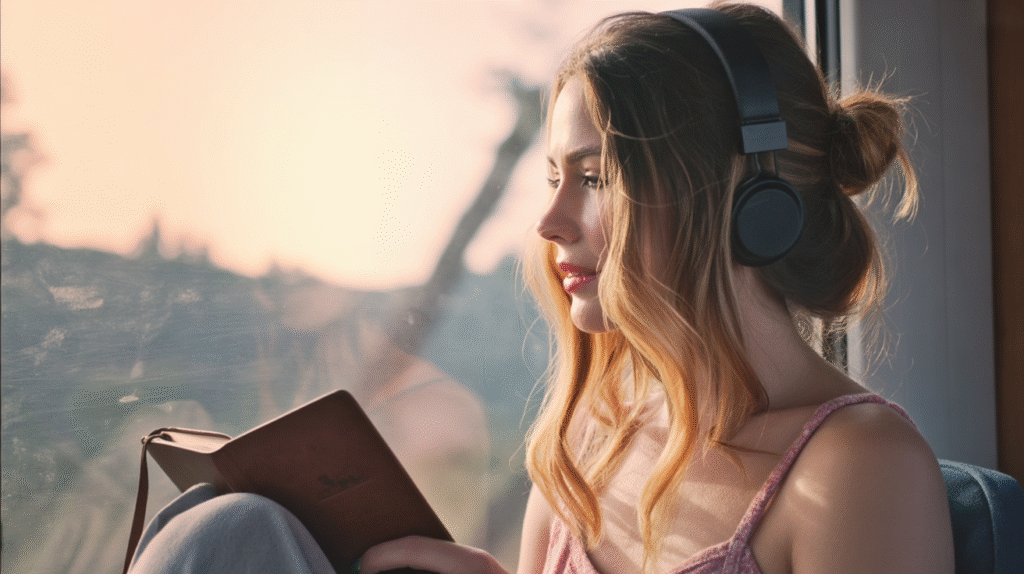
Must-Have 4: Noise-Canceling Headphones
Remote work doesn’t happen in a vacuum. Sometimes you’re in a bustling hostel where someone’s playing guitar in the common room. Other times you’re in a café where the espresso machine hisses like a steam engine. Or maybe you’ve set up camp near the ocean and the wind makes every call sound like a storm. Background noise is part of the lifestyle — but it doesn’t have to ruin your work.
Noise-canceling headphones are the difference between frustration and focus. They let you create a private workspace anywhere, cutting out chaos so you can show up professionally on client calls or slip into deep concentration when deadlines loom. Clear audio isn’t just about convenience; it’s about credibility. Clients notice when your voice is crisp and uninterrupted, and they notice even more when it’s not.
The right pair goes beyond blocking sound. Over-ear designs wrap you in a bubble of quiet while still offering “transparency mode” for safety when you’re walking through busy streets or waiting for your boarding call. Long battery life means you don’t have to ration use, and comfort matters when you’re wearing them for hours at a stretch.
My go-to options? Sony WH-1000XM5 or Bose QuietComfort. Both combine excellent noise cancellation with sound quality that makes everything — from calls to podcasts to downtime playlists — feel richer. Slip them on in a noisy hostel lounge, and suddenly you’re in your own focused zone, ready to deliver.
Think of them as more than headphones. They’re portable walls you can put up anywhere, giving you control over your environment no matter how unpredictable it gets. That kind of control isn’t just nice to have; it’s essential if you want to thrive in the balance of adventure and work.
Must-Have 5: Portable Solar Charger
Power is the quiet lifeline of the digital nomad. Without it, your laptop is just dead weight, your phone is a useless brick, and your carefully planned workflow collapses. When you’re in a city, an outlet is never far away. But on mountain trails, remote islands, or multi-day road trips, electricity becomes a precious resource — and running out can leave you cut off from both work and safety.
That’s where a portable solar charger earns its place. With foldable panels that sip energy from the sun, you can keep laptops, phones, and power banks alive anywhere there’s daylight. It transforms downtime into uptime; a few hours under the sun while you surf or hike means you’ll have juice later to join calls, navigate, or edit content.
Pairing solar with a high-capacity power bank is the smartest strategy. The panels recharge the bank during the day, and the bank keeps your devices powered at night or when clouds roll in. Foldable designs make them easy to strap onto a backpack, tent, or camper van roof, so charging happens while you’re on the move.
The peace of mind is enormous. Instead of rationing battery life or hunting for cafés with plugs, you know your energy supply is literally built into your environment. It makes remote destinations truly accessible, because you’re not chained to civilization for power.
Reliable brands like Anker or Goal Zero offer lightweight, durable options built for travel. Choose one that balances portability with enough wattage to keep your essential devices running. It’s not just gear; it’s freedom. With solar, your work, navigation, and connection to the world stay alive as long as the sun rises.
Must-Have 6: Wellness Kit for Recovery
Adventure takes a toll on the body, and so does remote work. Long hikes strain your legs, climbing taxes your grip, and hours hunched over a laptop tighten your back and shoulders. Without recovery, both sides of your lifestyle suffer. You can’t show up sharp for clients if you’re sore, exhausted, or nursing an injury — and you can’t enjoy the adventures you live for if your body is constantly on the edge of burnout.
That’s why I treat a wellness kit as non-negotiable. It doesn’t have to be bulky, but it should cover the basics: magnesium spray for muscle relaxation, resistance bands for quick mobility work, protein snacks to fuel recovery, CBD balm for soreness, and a compact foam roller to release tension after long days. These small items make a huge difference when used consistently.
The trick is building routines around them. A five-minute stretch with bands before bed, a magnesium spray after a climb, or rolling out your back while files upload can keep fatigue from building into real problems. It’s about micro-recovery woven into your days rather than waiting until your body forces you to stop.
This kit also doubles as mental support. Journaling, breathwork, or even a calming tea ritual remind you that recovery isn’t just physical — it’s emotional. When you nurture your body and mind, you create resilience that carries over into both work and adventure.
Your wellness kit is your insurance policy against burnout. It’s what lets you chase waves, scale cliffs, and still sit down clear-headed for a client call the next morning. Without it, this lifestyle eventually grinds you down. With it, you stay strong enough to keep thriving on both fronts.
Must-Have 7: Fitness Tracker or Smartwatch
Life on the road blurs routines. One week you’re hiking at altitude, the next you’re surfing at sea level, and in between you’re pulling late nights to meet deadlines across time zones. A fitness tracker or smartwatch helps bring structure back into that chaos. It doesn’t just count steps — it becomes a dashboard for your body and your schedule.
For adventure, GPS tracking is essential. It maps your climbs, runs, and rides so you can measure progress and stay safe when exploring new routes. Heart-rate variability (HRV) and sleep tracking give you clues about how well you’re recovering — crucial if you’re mixing tough workouts with long work sessions. The data helps you know when to push and when to rest, preventing burnout.
On the work side, syncing your calendar and notifications means your wrist becomes a one-stop hub. You won’t miss a client call because you were away from your laptop, and you won’t waste energy checking your phone every five minutes. Long battery life is key here; the last thing you want is a dead watch halfway through a trek.
Options like the Garmin Instinct 2 or Apple Watch Ultra are designed for durability and versatility. They’re water-resistant, rugged enough for outdoor sports, and smart enough to integrate with your workflow.
The real value isn’t in the numbers themselves but in what they unlock: awareness. A fitness tracker quietly nudges you toward balance, reminding you that thriving as an adventurous remote worker isn’t about going harder all the time — it’s about finding the rhythm that keeps both your body and your work strong.
Must-Have 8: Blue-Light Blocking Glasses
Adventure may wear out your muscles, but remote work wears out your eyes. After a day of climbing, surfing, or trekking, sitting down to finish a project often means staring at your laptop until late at night. The problem is that blue light from screens tricks your brain into thinking it’s still daytime, disrupting sleep cycles and straining your eyes. Over time, it adds up: headaches, poor sleep, and sluggish focus that spill over into both work and play.
That’s where blue-light blocking glasses come in. Lightweight and portable, they filter the harshest wavelengths from your screens, making long sessions in front of a laptop less draining. It might not sound like much, but the difference is real — less squinting, fewer late-night headaches, and better sleep when you finally close your laptop.
For nomads, they’re especially handy because downtime is limited. You don’t always get the luxury of winding down with perfect sleep hygiene. Sometimes your only option is to work late after a day outdoors. Glasses with anti-glare coatings make those hours gentler on your body, giving you back energy instead of stealing it.
Pick frames that are light enough to wear for hours and sturdy enough to survive travel. Bonus if they’re stylish — because you’ll end up using them daily, and gear you like is gear you’ll actually keep around.
Think of blue-light glasses as a small tool with an outsized impact. They don’t just protect your eyes; they protect your energy, helping you wake up clearer, recover faster, and keep performing at your best — on the mountain and at the keyboard.
Must-Have 9: Compact Tripod or Mount
Adventures are meant to be remembered, but as a remote worker you also know the value of high-quality content — for your brand, your clients, or simply your own memories. The challenge is that asking strangers to take your photo rarely works out, and balancing your phone on a rock isn’t exactly reliable. A compact tripod or mount solves that problem, giving you freedom to capture your life without hassle.
The beauty of modern tripods is portability. Models like the Joby GorillaPod or Peak Design Travel Tripod fold down small enough to slip into your daypack, yet sturdy enough to hold cameras or phones in windy or uneven conditions. Flexible legs wrap around tree branches, railings, or bike frames, turning almost anything into a stable platform. Quick-release mounts save precious minutes when you’re trying to catch the last light on a mountain peak.
For nomads, it’s not just about photos. Tripods elevate video calls, too, propping your camera at eye level so you look professional even in a hostel dorm or outdoor café. They also make creating content smoother — hands-free filming for tutorials, interviews, or travel vlogs without awkward angles.
The difference is in the quality of your output. Crisp, steady footage makes your adventures look intentional rather than accidental, helping your work and your lifestyle feel polished. And on the personal side, it means you actually get to appear in your own memories instead of just behind the lens.
A compact tripod isn’t just a gadget; it’s a quiet partner. It lets you tell your story fully — the climbs, the work sessions, the sunsets — without compromise. That’s worth its weight in your bag.
Must-Have 10: Offline Entertainment
The nomad lifestyle looks exciting from the outside, but anyone who’s lived it knows there are long stretches of waiting. Delayed buses, overnight layovers, rainy days in remote cabins, or simply hours when the Wi-Fi drops out. If you don’t plan for these moments, boredom and frustration creep in — and that’s when burnout starts to whisper. Offline entertainment turns dead time into rest time, helping you recharge instead of stew in impatience.
Books, podcasts, and playlists are the obvious choices, but the key is making sure they’re accessible without internet. Download audiobooks to your phone, keep a Kindle stocked with fresh reads, or use apps like Pocket to save articles for offline reading. Music streaming services like Spotify or Apple Music let you save playlists for those 10-hour bus rides where signal cuts in and out.
For me, the magic is in creating a mix. A novel to escape into, a podcast that makes me laugh, a playlist that grounds me when I feel restless. These little rituals help my brain switch gears from “work mode” to “recovery mode.” They remind me that downtime isn’t wasted — it’s fuel for the next push.
On a practical level, offline entertainment also saves device battery. Reading on a Kindle instead of a laptop, or listening to pre-downloaded podcasts instead of streaming, stretches your power supply when outlets are scarce.
It may sound simple, but the difference it makes is profound. When you plan for boredom, you turn it into rest. That small shift can be the difference between arriving frazzled or arriving refreshed, ready to climb, surf, or log in for work with clear energy.
Must-Have 11: Cloud Storage & Backup System
Every nomad eventually learns this truth the hard way: gear can be replaced, but lost files are gone forever. Whether it’s a client project, months of travel photos, or personal journals, the heartbreak of losing data hits harder than almost any other setback. A stolen laptop, corrupted hard drive, or spilled coffee shouldn’t mean the end of your work or your memories — and that’s why a reliable backup system is essential.
The smartest approach is layering. Start with physical backups: an external SSD or rugged hard drive where you copy important files regularly. These drives are fast, portable, and don’t rely on Wi-Fi. But physical backups alone aren’t enough when you’re constantly moving and facing theft, loss, or accidents. That’s where cloud storage comes in. Services like Dropbox, Google Drive, or iCloud quietly sync your files in the background, creating a second safety net you can access anywhere in the world.
Automatic backups are your best friend. Setting your devices to upload overnight means you wake up with peace of mind, knowing yesterday’s work is safe even if today throws surprises. Organize files into clear folders so retrieval isn’t a nightmare when you’re in a rush.
The emotional benefit is huge. Instead of carrying a low-level worry — “what if my laptop dies?” — you live with confidence, knowing your work and memories are secure. That calm shows up in your focus, in your creativity, and in your ability to take risks without fear of losing everything.
Cloud + physical storage isn’t overkill; it’s resilience. It’s the safety net that lets you live boldly without gambling on l
Must-Have 12: The Right Mindset
Gear makes life easier, but mindset makes it possible. You can have the best laptop, the strongest Wi-Fi signal, and the most rugged bags, but if you crumble at the first sign of trouble, this lifestyle will eat you alive. Extreme adventure plus remote work is a recipe for unpredictability — and thriving in it requires resilience, patience, and flexibility.
Weather will cancel your trek. Flights will get delayed. A hard drive will fail the night before a deadline. These things aren’t “if” — they’re “when.” The nomads who last aren’t the ones who avoid problems, but the ones who adapt. They see challenges not as roadblocks but as part of the story, adjusting plans without losing momentum.
Mindset also means building daily rituals that ground you. Maybe it’s journaling every morning, stretching before bed, or brewing a cup of tea between calls. These small anchors remind you who you are in the midst of constant change. They give you a baseline of stability when everything else is shifting.
Most importantly, mindset is about letting go of perfection. You won’t always have flawless connections, smooth travel days, or injury-free adventures. What you can have is grit: the choice to keep going, to find beauty in the chaos, and to treat every hiccup as part of the adventure.
The right mindset turns frustration into fuel. It’s the one must-have you can’t pack in a bag — but it’s the one that makes every other piece of gear truly matter.
Closing Thought
At the crossroads of remote work and extreme adventure, thriving isn’t about luck — it’s about preparation. Every item in your pack, from your laptop to your wellness kit, is more than gear; it’s part of the system that keeps you steady when life gets unpredictable. With the right setup, you don’t just survive the chaos — you create space to enjoy it.
What really matters is intention. Packing a solar charger means you trust yourself to work from a mountaintop without fear of running out of power. Carrying recovery tools shows you respect your body enough to sustain it through the push and pull of deadlines and climbs. Choosing cloud backups signals that your creativity and memories deserve protection. And bringing the right mindset ties it all together — turning setbacks into stories and delays into moments of rest.
This lifestyle will always challenge you. Some days the wind will tear through your calls, or a storm will wash out your trek. But when your systems are solid, those moments don’t define you. You stay grounded, capable, and free. Because thriving out here isn’t about packing everything; it’s about packing wisely — and carrying what truly supports your freedom.