Why Digital Nomad Glamour Is Mostly a Myth
From the outside, it looks like the dream: laptop by the beach, endless sunsets, freedom without friction. But behind the curated photos and Bali brunch bowls, there’s something most people don’t see—reality. The truth is, digital nomad life isn’t always glamorous. In fact, it’s rarely easy. But it is real, beautiful in its grit, and deeply meaningful—once you stop trying to make it look perfect.
The Beach Office Isn’t As Fun As It Looks
Sun glare. Sand in your laptop. Spotty WiFi. The “working from the beach” aesthetic is cute on Instagram—but frustrating in real life. Most nomads work indoors, just like anyone else—only with more logistical hoops to jump through.
It’s the image everyone loves: a laptop open by turquoise waves, a cocktail within reach, toes in the sand. And while it looks dreamy, anyone who’s tried it knows the reality is far less glamorous. Screens overheat, the glare makes it impossible to see your work, the WiFi drops every two minutes, and your laptop becomes a magnet for salt and sand. The truth is, “beach offices” are great for photos—not for actual productivity.
Most nomads end up working from cafés, coworking spaces, rented apartments, or anywhere with decent WiFi and a reliable power outlet. It’s not less adventurous—it’s just more realistic. Freedom doesn’t mean chaos; it means choosing a workspace that supports your focus, whether that’s a minimalist Airbnb desk or a buzzing café corner.
And yet, the myth of the beach office persists. Why? Because it’s a symbol, not a standard. It represents the possibility of blending work and beauty, even if the literal version is impractical. The deeper truth is that freedom often looks ordinary: spreadsheets in cafés, video calls from spare bedrooms, writing sessions at kitchen tables. But it feels extraordinary because you chose it.
So don’t measure your nomad life by whether you’ve pulled off the beach office aesthetic. Productivity doesn’t need a perfect view. What matters is that your work fits into a life that feels free—even if it happens mostly indoors.
The Hustle Still Exists—Just With a Better View
You still have to pitch clients, send invoices, deal with burnout, and question your career path. The freedom is real—but so is the pressure. Digital nomadism doesn’t erase the hustle. It just relocates it.
The biggest misconception is that nomads live in perpetual vacation mode. The truth? You’re still hustling—just against a different backdrop. Deadlines don’t disappear because you’re in Bali. Invoices still need to be chased, clients still need proposals, taxes still need filing. And when burnout comes, it’s not softened by palm trees outside your window.
Freedom brings its own pressures. You’re the one responsible for building your income streams, managing your health, and setting your boundaries. There’s no corporate safety net or manager guiding the way. It’s empowering, yes—but it can also feel heavy. The hustle is alive and well; it just comes with more autonomy and more responsibility.
But here’s the beauty: the view changes the experience. Sending a client pitch from a sunlit terrace feels different than doing it under fluorescent lights. Finishing a long workday and walking straight into the sea is a reward few office workers get. The hustle doesn’t vanish—but it’s cushioned by the richness of the lifestyle you’ve chosen.
The reminder is this: don’t romanticize nomadism as an escape from work. See it instead as a chance to do work differently. The hustle remains—but the scenery, the pace, and the freedom to shape it all are what make it worthwhile.
Constant Travel Can Be Emotionally Draining
Packing. Repacking. Goodbyes. Culture shock. Loneliness. Glamour doesn’t show the behind-the-scenes exhaustion. Living on the move can be emotionally complex—even when the views are beautiful.
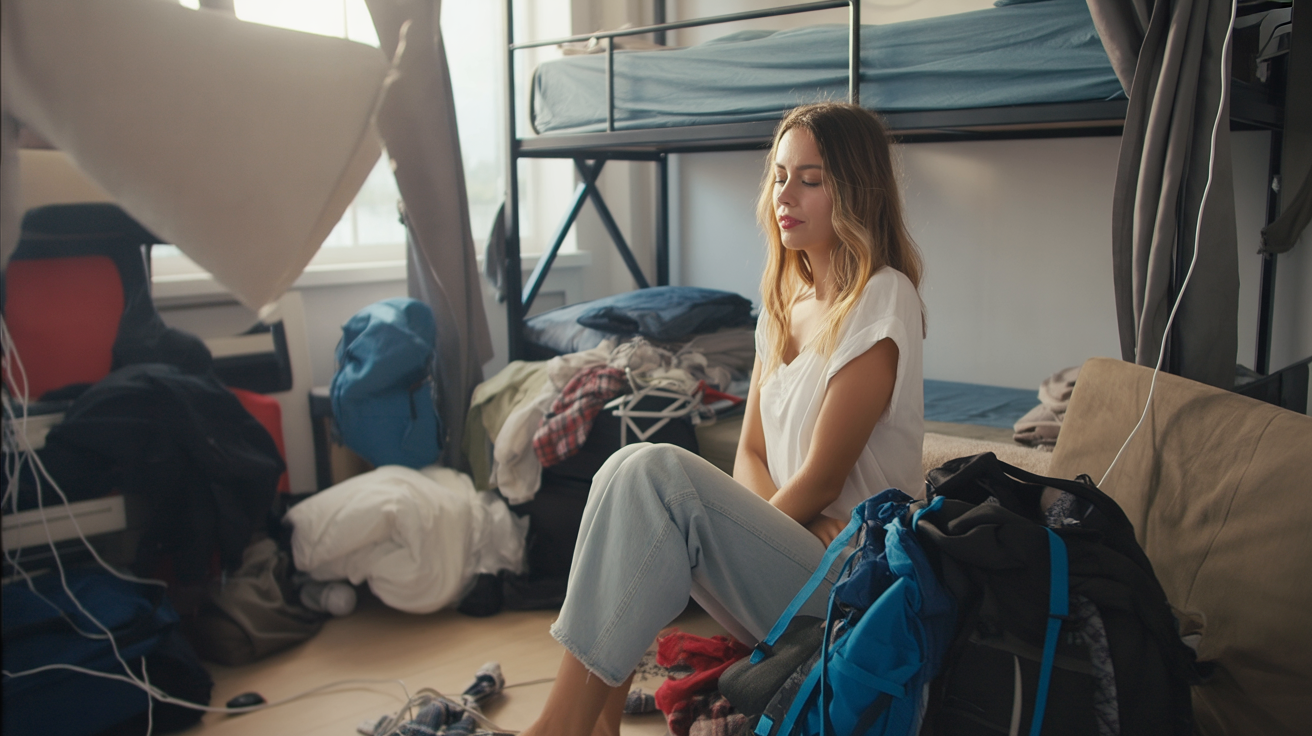
Every departure comes with effort. You zip bags again and again, double-checking you haven’t left something behind. You say goodbye to new friends, knowing the connection may not outlast the miles. You step into a new culture with fresh excitement but also the fatigue of starting from scratch. This rhythm of constant movement, while thrilling, also wears on the heart.
Social media rarely shows the flip side of adventure—the airport delays, the language barriers, the quiet nights when loneliness creeps in. Travel stretches your emotional capacity. It asks you to keep opening your heart even when goodbyes sting, to keep adapting even when you crave familiarity. That’s not weakness. It’s the invisible strength that sustains this lifestyle.
The truth is, nomad life is both beautiful and heavy. The sunsets, the friendships, the discoveries—they coexist with exhaustion and solitude. The challenge is not to deny one for the other, but to hold both with honesty.
If you’re feeling drained, it doesn’t mean you’re failing. It means you’re human. Build pauses into your travels. Stay longer in one place. Give yourself roots, even temporary ones. Because constant movement isn’t sustainable without moments of stillness to balance it.
Not Everything Is As Cheap or Easy As It Seems
Affordable rent often comes with cold showers and loud neighbors. Budget flights mean delays and uncomfortable hours. “Living cheaply” is rarely effortless—it’s often a juggling act of research, risk, and trade-offs.
The internet loves to glamorize “living abroad for $1,000 a month.” And while yes, you can stretch your budget further in some countries, the reality isn’t always seamless. That low-cost apartment may come without air conditioning. That budget airline might strand you overnight without compensation. That charming café with cheap meals may have WiFi that makes calls impossible. Affordability often comes with compromises.
Being a budget-conscious nomad isn’t about finding magical loopholes—it’s about constant resourcefulness. You research apartments thoroughly. You learn which airlines are worth the risk. You balance saving money with investing in comfort when it truly matters. It’s a dance between frugality and sustainability, and it’s ongoing.
The good news is, this trade-off teaches you resilience and creativity. You learn how to stretch your money, how to prioritize what matters (quiet, safety, reliable WiFi), and how to let go of what doesn’t. Living cheaply doesn’t mean living poorly—it means making conscious trade-offs.
So yes, nomad life can be affordable. But it’s rarely easy. And that’s okay. The trade-offs are part of what makes the freedom possible.
But The Realness Is What Makes It Beautiful
When you stop chasing the glamour and start embracing the mess, the loneliness, the unexpected moments—you find depth. Freedom isn’t found in filters. It’s found in the quiet moments you keep going, even when it’s not pretty.
The truth is, what makes nomadic life breathtaking isn’t just the highlights—it’s the wholeness. It’s booking the wrong train and laughing about it later. It’s eating a simple meal alone, realizing you’re proud of the independence it represents. It’s surviving the days when you feel stretched, scared, or unseen—and still choosing to stay on the path you’ve carved for yourself.
This lifestyle asks for presence, not performance. And when you allow yourself to embrace the hard parts as much as the beautiful ones, the freedom deepens. You no longer chase a curated version of the dream. You live the real one, in all its textures. Messy and magical. Lonely and liberating. Heavy and holy.
And that’s the heart of it: beauty isn’t in the perfection. It’s in the perseverance. It’s in choosing to keep going, to keep creating, to keep loving the life you’ve built even when it doesn’t look like the postcard. That’s where freedom truly lives.
So let the mess belong. Let the unfiltered moments count. Because realness, not glamour, is what turns this lifestyle into something unforgettable.
Closing Thought
The glamour sells—but it’s the grit that shapes you. This lifestyle isn’t a highlight reel—it’s a practice in courage, adaptability, and self-trust. You don’t need the perfect photo, the tropical backdrop, or the aesthetic workspace. You just need your own pace, your own truth, and the quiet belief that you belong in this life—even if it’s messy.