Why Minimalism Is the Secret to a Beautiful, Free Life on the Road
At first, minimalism felt like giving things up. Fewer outfits, fewer comforts, fewer options. But as I moved—from city to coast to mountain town—I realized: the less I carried, the more I felt. Minimalism isn’t restriction. It’s relief. It’s space for clarity, peace, and beauty. Living with less on the road doesn’t limit your freedom—it unlocks it.
Minimalism Lightens More Than Just Your Luggage
When you carry less, you move easier. But it’s not just about weight—it’s about mental load. Fewer things mean fewer decisions, less stress, more presence. Minimalism gives your mind room to breathe.
Every traveler knows the relief of lifting a bag that feels light, but minimalism offers a deeper relief—the kind you feel inside your head. When your backpack isn’t stuffed with “just in case” items, your mornings begin with ease. You don’t waste minutes debating what to wear or how to fit it all back in before checkout. Instead, you’re already out the door, noticing the color of the sky or the rhythm of a street waking up.
Carrying less is also about carrying fewer expectations. The less you cling to, the more adaptable you become. Plans shift. Destinations change. And instead of clinging to things, you find yourself free to flow with what unfolds. Lighter luggage becomes lighter thinking—room for spontaneity, for noticing, for breathing more fully.
This isn’t about denying yourself comfort. It’s about choosing what truly serves you. One well-loved jacket instead of three you don’t care about. A single journal that holds your thoughts, rather than a pile of notebooks that weigh you down. Each choice to carry less is also a choice to live more freely.
A practice: before you pack, lay everything out and ask, “Will this add weight or create ease?” Let that question guide your choices. Because minimalism isn’t about scarcity—it’s about creating spaciousness for what really matters.
It Helps You Focus on What and Who You Actually Love
When you travel light, you become fiercely intentional. Your clothes. Your work. Your time. You choose based on alignment, not habit. Minimalism invites clarity—not just in your space, but in your relationships and priorities.
Minimalism is less about objects and more about attention. When you stop cluttering your life with things you don’t need, you suddenly see what matters most with startling clarity. The jacket you reach for every day becomes your signature. The one pair of shoes you love takes you everywhere. Each item becomes chosen, not accidental. And that intentionality seeps into everything else.
You begin to notice which projects light you up versus which ones just keep you busy. You recognize who leaves you feeling energized after a conversation and who leaves you drained. When you’re not surrounded by excess, your relationships and commitments are no longer clouded. You choose them consciously.
This clarity doesn’t mean your life becomes rigid. It means it becomes aligned. You start saying yes with more enthusiasm and no with less guilt. And the people who remain in your circle know they’re there because they matter, not because you were too tired to filter.
Minimalism shows you that abundance isn’t about more—it’s about meaning. Each object, each person, each choice you carry is there for a reason. And that kind of alignment makes both your bag and your heart feel lighter.
You Create Beauty Through Simplicity
A few favorite outfits. A quiet routine. A corner of a room that feels like home. When you strip away excess, you find aesthetic joy in the simple. Your environment becomes a reflection of intention, not clutter.
Beauty often hides under layers of excess. When you pare back, you begin to see it. A simple linen shirt you wear often becomes part of your identity. A scarf doubles as a blanket, curtain, and accessory, reminding you of how resourceful and graceful simplicity can be. Even a single candle on a windowsill can transform a bare apartment into a sanctuary.
Minimalism gives you permission to stop chasing “new” and start savoring “enough.” Instead of needing endless variety, you learn to find elegance in repetition. You create a small routine that soothes you—maybe journaling with tea in the same cup each morning, or folding your clothes into neat rolls that make your bag feel like order instead of chaos. These details become rituals. And rituals are beautiful.
The more you strip away, the more your environment begins to reflect your essence rather than your possessions. Your surroundings don’t overwhelm you—they support you. That’s the subtle art of minimalism: creating space for beauty to breathe, not drowning it in clutter.
Practice noticing how little it takes to create atmosphere. A tidy corner. A favorite pen. A well-worn dress. Beauty grows from simplicity when intention shapes your space.
You Spend Less—and Live More Fully
Minimalism supports your budget and your freedom. When you stop chasing things, you start savoring moments. A street musician. A quiet park bench. A handmade meal. The richness of the road lives in presence, not possessions.
Travel has a way of showing you that the most vivid memories rarely come from what you bought. They come from the late-night laughter with strangers in a hostel, or the sunset you watched sitting on a set of stone steps, or the street food so good you closed your eyes to taste it. These experiences cost little, but they’re the ones that linger long after the receipts are gone.
Minimalism helps you redirect your resources. Instead of spending on excess clothes, you save for experiences. Instead of buying gadgets, you free your budget for slow mornings in cafés or weekend trips to nearby towns. Spending less on things doesn’t make your life feel smaller—it makes your life feel wider.
It also softens stress. Fewer expenses mean fewer worries about keeping up. And when your financial world feels lighter, your presence deepens. You notice more. You live more. You don’t have to prove abundance—you simply feel it.
If you’re craving more fullness in your days, try shifting one purchase a week from “thing” to “experience.” A book from a secondhand shop instead of another sweater. A bus ticket to the countryside instead of a gadget you won’t use. Watch how your life feels richer without adding weight.
You Become the Home You Carry With You
When you stop relying on stuff to feel grounded, you start rooting in yourself. In your rituals. Your softness. Your strength. Minimalism teaches you that home isn’t a place—it’s the energy you bring with you.
At first, travel can feel like drifting. You pack and unpack, switch beds weekly, never quite remembering which drawer holds your socks. It’s tempting to cling to things for stability. But the more you practice minimalism, the more you realize home isn’t in your belongings—it’s in the way you live within yourself.
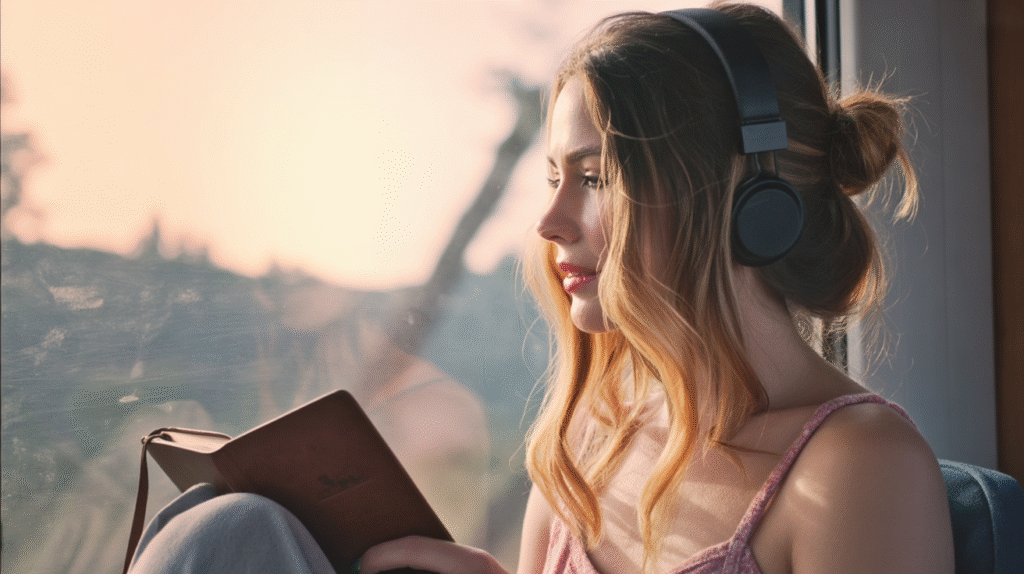
Your morning rituals, your favorite playlist, your journal—these become your anchors. The breath you take before opening your laptop, the tea you brew before sleep, the kindness you offer yourself when the day feels heavy—these are the roots you carry. Minimalism clears space so these rituals can shine brighter than any object ever could.
There’s a deep freedom in knowing you can feel at home without a permanent address. Your stability doesn’t come from four walls, but from the way you inhabit your own skin. And once you learn that, no airport, hostel, or Airbnb can take it from you.
A reminder: each time you wonder if you need more to feel grounded, pause. Look at what you already carry inside. Minimalism isn’t about less for the sake of it—it’s about remembering that you, as you are, are already enough.
Closing Thought
Minimalism on the road isn’t about lack—it’s about liberation. It’s about curating a life that feels aligned, beautiful, and light. When you choose less, you make space for more: more clarity, more creativity, more you.