How to Find Your Unique Balance as a Digital Nomad
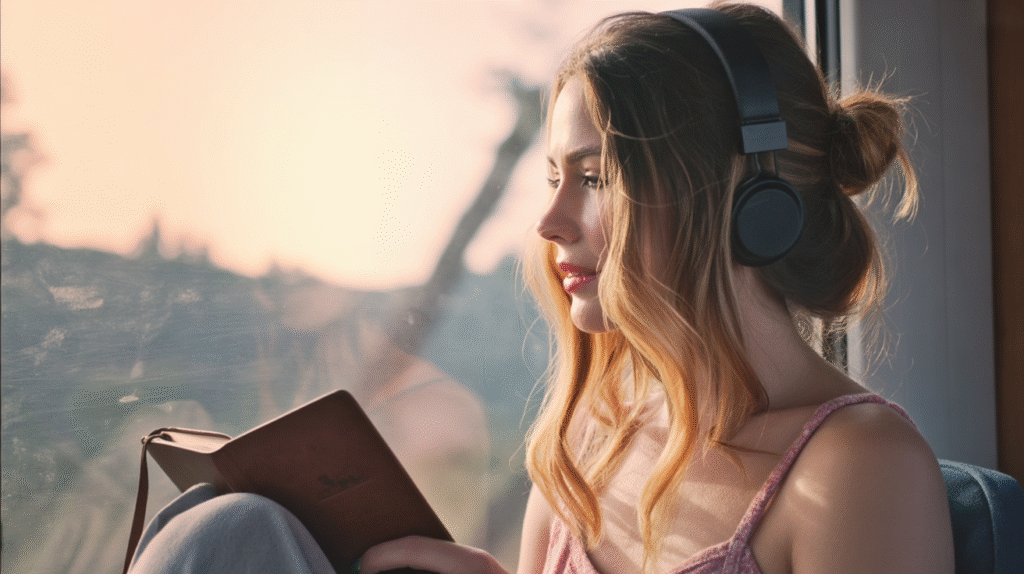
There’s no blueprint for this lifestyle. No perfect planner spread or universally “right” routine. Some days you feel wildly free. Others—completely unanchored. The truth is, balance as a digital nomad isn’t about strict routines or daily optimization. It’s about alignment. Feeling steady in the midst of motion. Honoring your own rhythm instead of chasing someone else’s version of “doing it right.” And that balance? It gets to be yours.
Redefine What “Balance” Means for You
Forget the 50/50 myth. Balance doesn’t always mean equal parts work and play. Sometimes it means deep focus in the morning and a long solo walk at sunset. Sometimes it’s doing nothing—and letting that be productive. Define it on your terms.
I remember a week when I tried to live by the traditional definition of balance. I set strict hours for work, blocked time for exercise, forced social events even when I was exhausted. Instead of balance, I felt stretched thin. Then one day, I allowed myself to flow—working deeply until noon, wandering the streets in the afternoon, journaling instead of networking in the evening. That day felt light, sustainable, mine.
Balance isn’t math—it’s meaning. It’s about creating a rhythm that holds you, not one that boxes you in.
When you let go of perfectionist definitions, you realize balance isn’t about halves—it’s about wholeness.
Build a Soft Structure That Moves With You
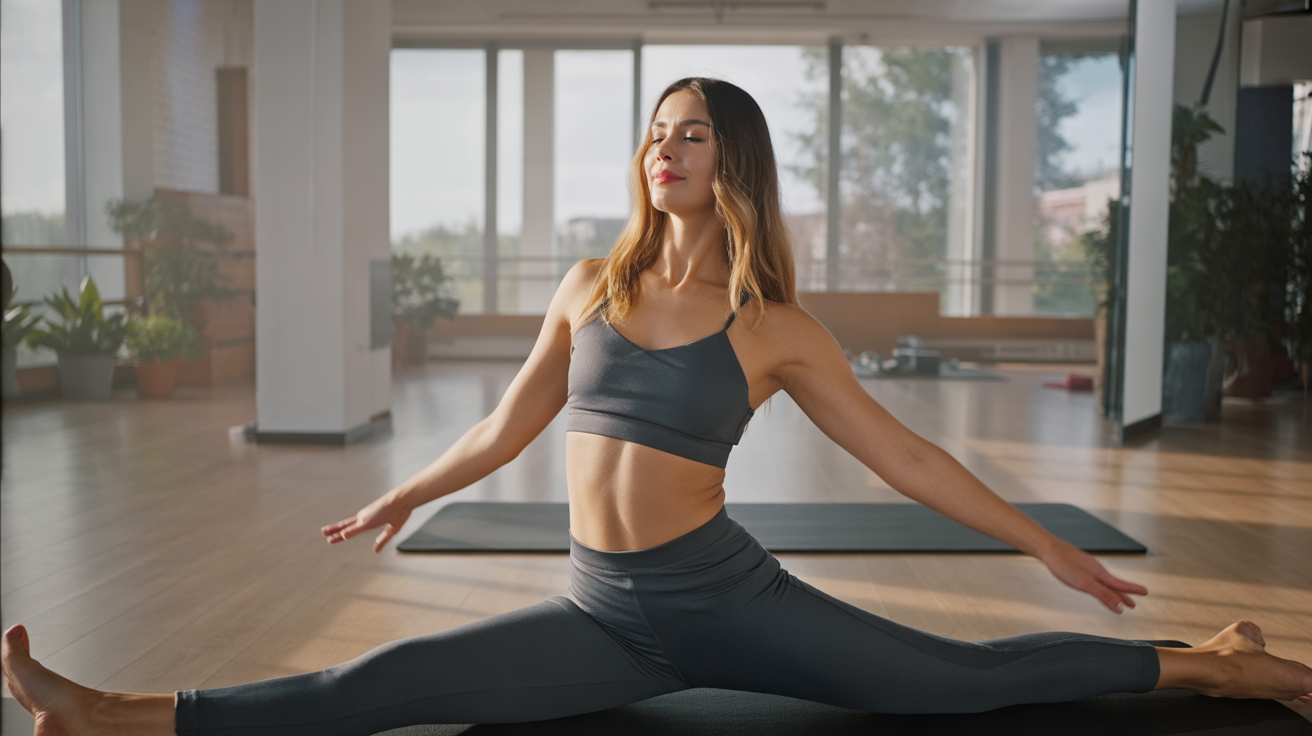
Balance needs structure—but not rigidity. Try anchoring your days with portable rituals: morning tea, mid-day movement, nightly check-ins. This gives your mind something familiar—even when everything else is changing.
I noticed the power of this while moving between cities every few weeks. The scenery shifted, the WiFi varied, the beds changed. But one thing stayed: my small rituals. Making tea before opening my laptop. Stretching for five minutes mid-day. Writing a line or two of reflection before bed. Those little anchors gave me a sense of continuity, even in the constant flux.
Structure doesn’t have to be strict to be strong. Soft rituals remind you that balance isn’t found in control—it’s found in gentle rhythms that travel with you.
When everything else shifts, your rituals remind you: you’re still here, grounded.
Let Energy Guide You More Than the Clock
Some days are high-energy hustle. Others ask for rest. Instead of forcing routines, try following your energy. Tune in. Work with your flow, not against it. Your balance doesn’t need to be consistent—it needs to be honest.
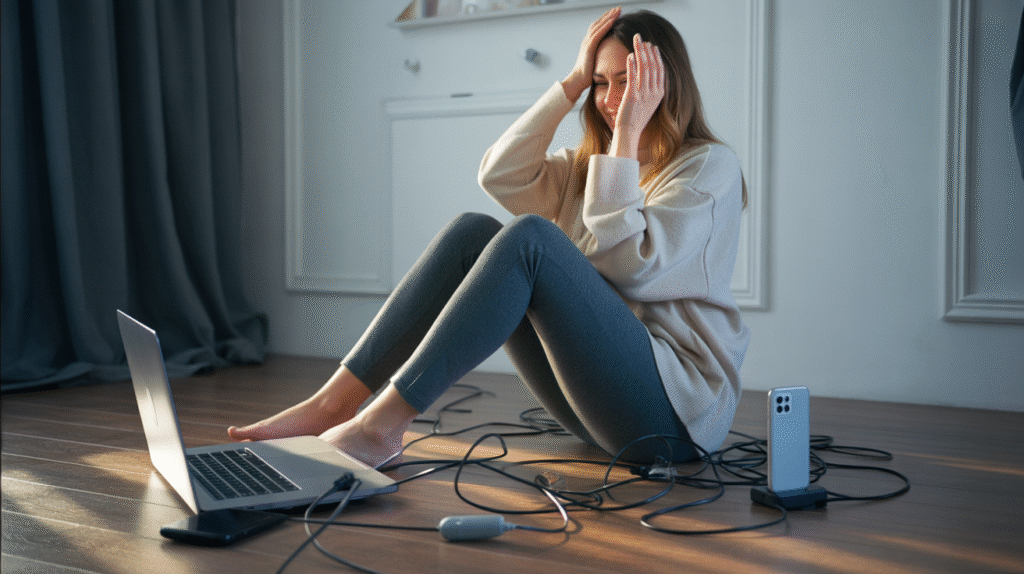
I once forced myself to work late into the night because my schedule said I “should.” The result? Burnout, low-quality output, and resentment. Later, I experimented with listening instead. On days when my energy surged, I rode the wave. On days when I felt drained, I rested or worked lightly. Over time, I realized this wasn’t laziness—it was alignment.
Your body is wiser than any planner. Balance happens when you trust it.
Let energy, not the clock, be your compass. It won’t look consistent, but it will feel true—and that’s the balance that lasts.
Make Space for Your Emotional World, Too
Balance isn’t just time management—it’s emotional regulation. Create space for grief, joy, doubt, and celebration. You’re allowed to feel all of it—and still be “on track.” Self-care is part of your strategy.
I remember trying to push through a wave of homesickness while working abroad. I told myself to ignore it, to stay productive. But ignoring it only made me spiral. Finally, I gave myself a morning to cry, to journal, to call someone I trusted. By the afternoon, I felt lighter, clearer, ready to work again.
Balance isn’t pretending feelings don’t exist—it’s weaving them into your rhythm with compassion.
When you make room for your emotional world, you stop fighting yourself. And that inner peace? That’s the deepest kind of productivity.
Honor the Season You’re In
Your version of balance will shift. Some seasons are for building. Others, for resting. Others, for soft exploration. The key is not locking into one routine—but learning to listen and adjust with grace.
I experienced this after a season of nonstop building. For months, I pushed—new clients, new routines, constant movement. But eventually, my body asked for something different. So I let myself slow down—spent mornings reading, afternoons walking, evenings cooking simple meals. That season of rest restored me more than any checklist ever could.
Balance isn’t static—it’s seasonal. Honoring the shifts instead of resisting them is what keeps you aligned.
When you learn to adapt with grace, balance stops being something you chase—and becomes something you live.
Balance Is Found in Boundaries, Not Busyness
Busyness can trick you into feeling accomplished, but it’s boundaries that create real balance. Balance isn’t doing more—it’s knowing when to stop. When to say no. When to choose rest over rushing.
I learned this lesson in a co-working space where opportunities and invites seemed endless—networking events, group dinners, weekend trips. At first, I said yes to everything, afraid to miss out. But soon, my days blurred into exhaustion. One evening, I skipped the dinner, stayed in, and made myself a quiet meal. That choice restored me more than a dozen events ever could.
Balance doesn’t come from cramming everything in. It comes from creating space for yourself inside the noise.
Boundaries don’t make your life smaller. They make your energy sustainable. And that’s where true balance begins.
Balance Lives in the Small, Not the Spectacular
We often imagine balance as grand—perfect schedules, long vacations, flawless routines. But real balance lives in the smallest choices. The glass of water before coffee. The stretch between calls. The 10 minutes of fresh air before bed.
I remember one particularly hectic week when I couldn’t seem to catch up. Instead of trying to overhaul everything, I started focusing on one small act each day. A morning walk. A mindful lunch. A moment of silence before logging back on. None of these were dramatic, but together, they steadied me.
Balance isn’t built in sweeping gestures—it’s built in layers of small, intentional acts that support you over time.
When you shift your focus to the little things, you realize balance has been available all along. It’s not out of reach—it’s already in your everyday.
Closing Thought
Balance isn’t a fixed destination—it’s a moving target that shifts as you do. And the most powerful thing you can do is stop copying what works for everyone else… and start asking what works for you. You’re allowed to ebb and flow. You’re allowed to build a life that feels like home inside your body.