How I Learned to Truly Embrace Freedom (And What It Means Now)
When I first started traveling full-time, I thought freedom meant plane tickets, open schedules, and WiFi in tropical cafés. And in some ways, it did. But what I didn’t expect was the internal journey—the slow unraveling of everything I thought I had to be. Over time, freedom stopped being about where I was going. It became about how I felt in my own skin. And that shift changed everything.
Freedom Used to Mean Escape—Now It Means Belonging
In the beginning, I chased freedom like an escape hatch. From burnout. From expectations. From myself. But the more I moved, the more I realized—true freedom isn’t about running away. It’s about coming home. To who you really are.
I remember my first one-way flight—my chest buzzing with adrenaline, convinced that leaving was the answer to everything. For a while, it felt true. New stamps, new cafés, new friends. But underneath, I still carried the same restlessness, the same doubts. It wasn’t until much later, sitting in a quiet park alone, that it clicked: freedom wasn’t about how far I could go. It was about how deeply I could arrive.
Belonging doesn’t come from escape. It comes from presence. From trusting that you don’t need to abandon yourself to feel free.
Real freedom is not running away. It’s returning home to the version of you who’s been waiting all along.
I Let Go of the “Perfect Day” Fantasy
I used to believe freedom looked like perfect mornings, 4-hour workweeks, and sun-drenched productivity. But I’ve found more freedom in messy schedules, spontaneous detours, and quiet afternoons doing nothing. When I dropped the fantasy, I started living.
There was a stretch where I clung to routines I thought I “should” have—waking at dawn, journaling, working a few tidy hours, then exploring. And when life didn’t match that script, I felt like I was failing. But the truth is, some of my favorite days have been the messy ones—getting lost on the way to a café, skipping work to talk with a stranger, spending an entire afternoon stretched out on a hostel balcony watching the sky change.
The fantasy of a perfect day steals the joy of the real ones.
Freedom isn’t built from flawless hours. It’s built from the imperfect, unplanned, human moments that remind you you’re alive.
I Learned to Make Decisions Based on Desire, Not Obligation
Freedom deepened when I stopped asking, “What should I do?” and started asking, “What feels true?” Saying no got easier. Saying yes got softer. I built my days around energy, not expectations—and the joy came rushing in.
I remember being invited to a group outing that checked every box of what I thought I “should” want—socializing, sightseeing, connection. But when I checked in with myself, I realized what I truly wanted was solitude. A quiet café, my journal, and the permission to just be. So I said no. And what I got in return was a day that nourished me in a way obligation never could.
When you build your choices on desire, not duty, you stop abandoning yourself. You realize freedom isn’t about doing it all—it’s about doing what feels aligned.
Desire is a compass. And when you follow it, freedom stops being theory and starts being lived.
I Realized Freedom Isn’t Loud—It’s Gentle
It doesn’t always look like adrenaline or bold moves. Sometimes freedom is found in choosing to stay. In saying no. In slow routines, soft clothes, and deciding to do nothing on a Tuesday. It’s quiet power—and it feels like peace.
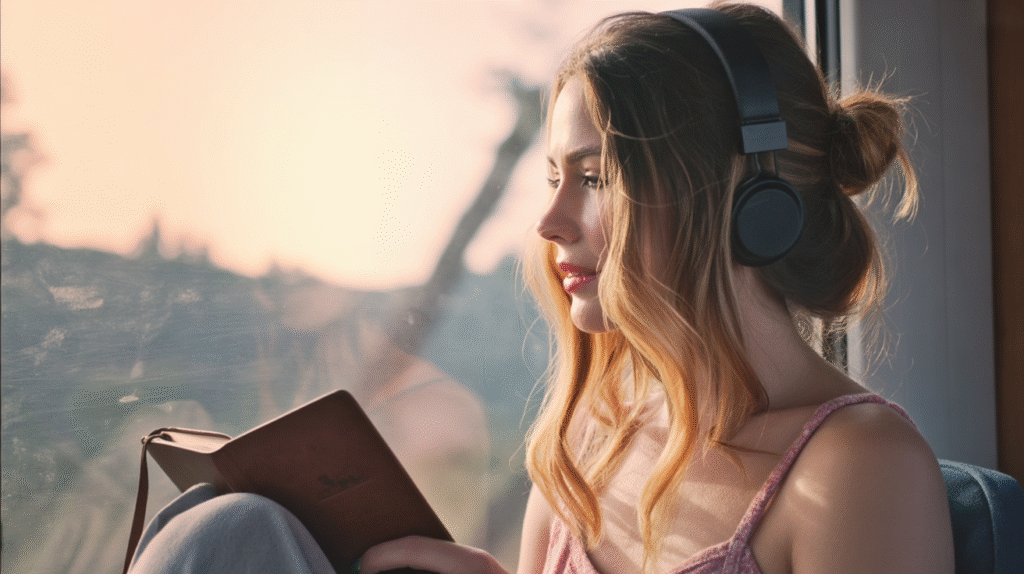
There was a time when I thought freedom had to be dramatic: cliff dives, border crossings, overnight buses. And yes, those moments held their magic. But over time, I realized the freedom I craved was softer. It was the freedom to take a slow morning, to let emails wait, to choose comfort over performance. Like staying in with tea and a book while the city pulsed outside.
Gentle freedom doesn’t shout—it whispers. It doesn’t need to be proved or displayed. It’s felt.
And once you discover it, you realize freedom has never been about scale. It’s been about softness, presence, and peace.
Now, Freedom Feels Like Inner Stability—Not Constant Change
The biggest shift? I no longer need to move constantly to feel free. Freedom now feels like stability inside the shift. Like trusting myself to choose, pause, change, stay, or go. It lives in me now—not just my passport.
I noticed this while staying in the same small town for months—something the old me would’ve resisted. At first, I worried I’d feel trapped. But instead, I found peace. The rhythm of daily walks, the faces I began to recognize, the quiet comfort of consistency—it didn’t shrink my freedom, it expanded it. Because I realized I could still choose. I could still leave tomorrow if I wanted. But staying became its own form of freedom.
Freedom used to be external—measured in miles, visas, tickets. Now, it’s internal. It’s the steadiness I carry with me, no matter where I am.
And that kind of freedom is the kind that lasts.
Freedom Is the Permission to Change Your Mind
For a long time, I thought freedom meant sticking to bold decisions—prove you can live abroad, prove you can travel endlessly, prove you can handle it all. But real freedom is softer. It’s the permission to pivot, to shift, to say, “this no longer fits me.”
I once booked a month-long stay in a city everyone raved about. The first week was exciting, but by the second, I felt drained. The energy didn’t align, and old guilt whispered, “You chose this—stick it out.” Instead, I gave myself permission to leave early. The relief was immediate. I wasn’t running away—I was choosing differently. That was freedom.
True freedom doesn’t chain you to past decisions. It lets you evolve. It honors your changing needs.
The bravest form of freedom isn’t proving you never waver—it’s trusting yourself enough to change course when your heart asks you to.
Liberation Is Knowing You’re Not Defined by Productivity
In a world that glorifies output, freedom is reclaiming your worth from what you produce. It’s remembering that you are valuable on the days you do everything—and just as valuable on the days you do nothing.
I discovered this while staying in a quiet mountain town. One rainy day, I spent the entire afternoon in bed, reading and staring out the window. A part of me whispered I was wasting time, that I should be “doing more.” But as the hours passed, I felt something different—peace. I realized I didn’t need to earn my rest or justify my existence with checkmarks. Simply being was enough.
Freedom means detaching your identity from constant achievement. It means choosing joy over performance, rest over guilt, presence over proof.
When you no longer measure yourself by productivity, you stop being a machine—and start living as a human. That’s real freedom.
Closing Thought
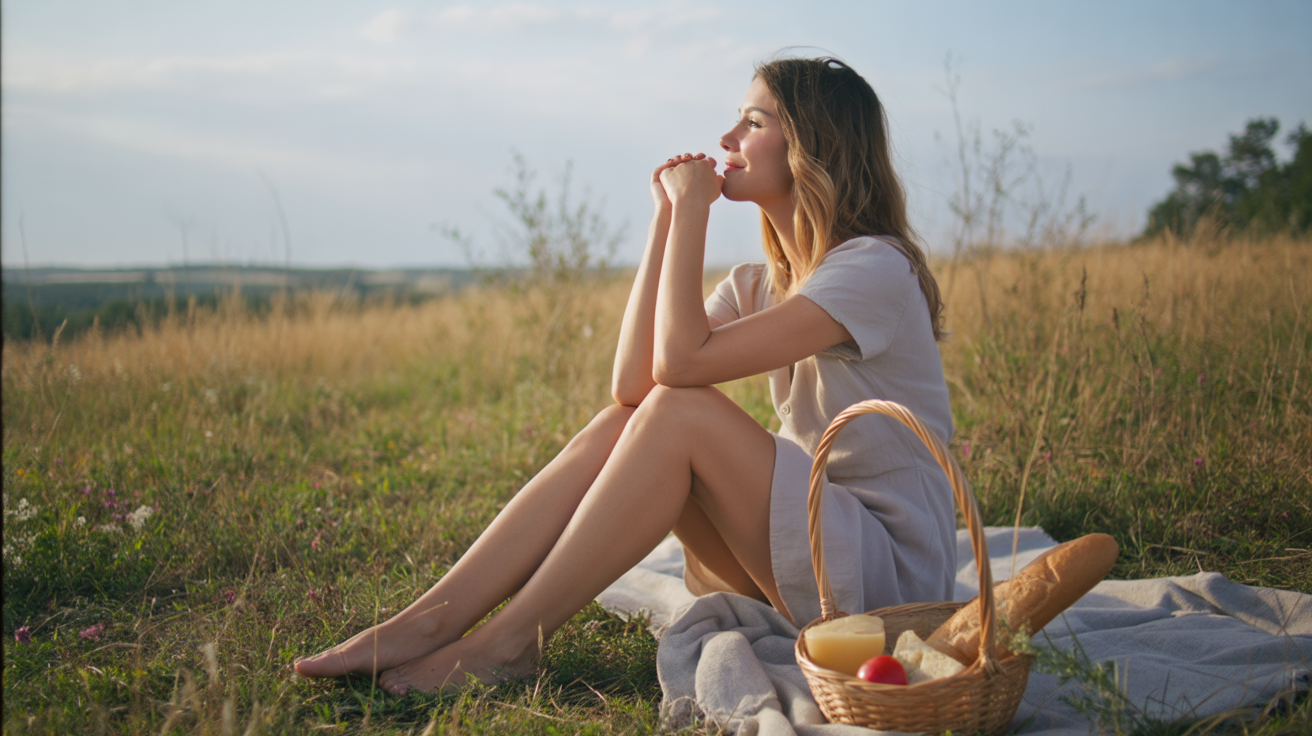
Freedom will look different in every season. Sometimes it will be fast and loud; other times, slow and sacred. But when it’s real, it will feel like truth. You’ll stop performing, stop proving, and finally just be. And that’s where freedom lives—not in the places you go, but in the way you come home to yourself again and again.