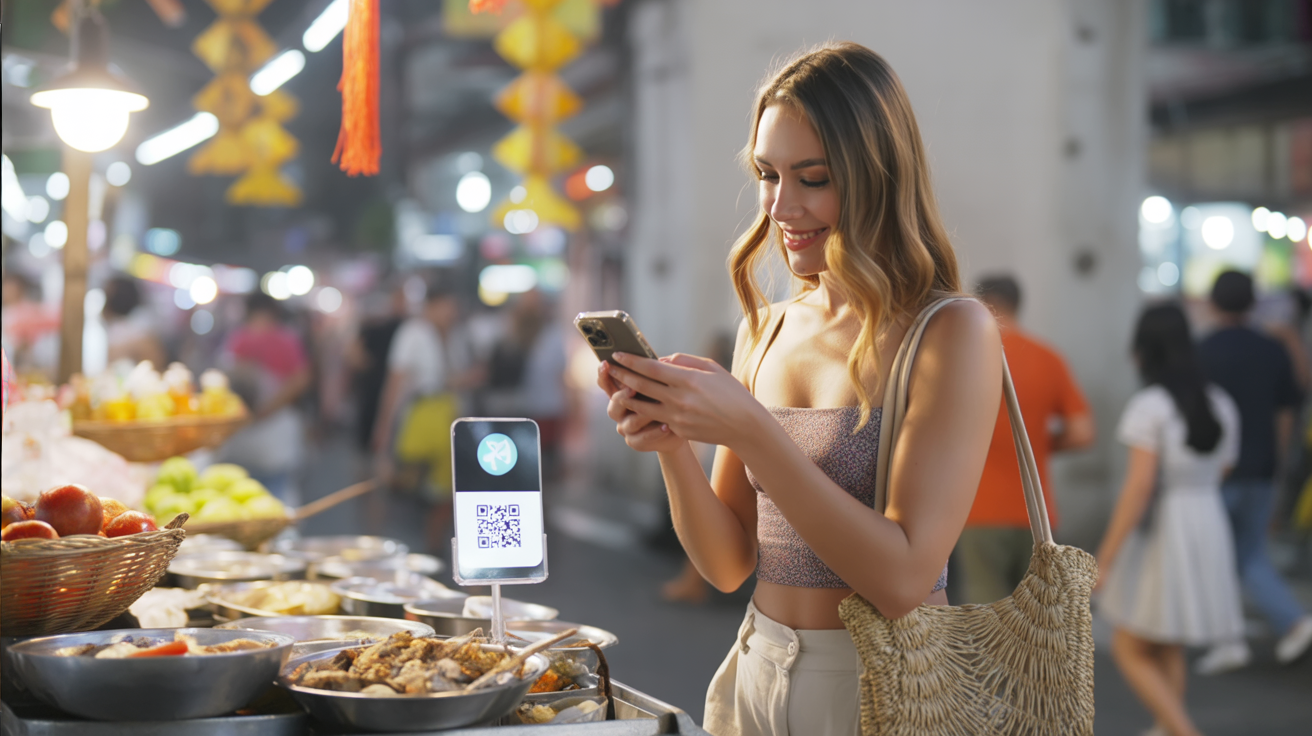
8 Crypto Tools Every Digital Nomad Needs
For most digital nomads, money management is one of the invisible challenges of the lifestyle. It’s not just about earning enough to cover your expenses; it’s about moving those funds across borders, currencies, and time zones without getting tangled in bank delays, conversion fees, or bureaucratic red tape. That’s where crypto becomes more than a buzzword. Used well, it’s a passport to financial flexibility. It lets you settle into a co-living space in Lisbon, split a scooter rental in Bali, or send payment to a freelancer in Buenos Aires — all with a few taps on your phone.
But crypto alone isn’t the answer. A single wallet app won’t keep you secure, organized, and stress-free. To make this technology truly work on the road, you need a toolkit. Tools that let you store large sums safely, access working funds instantly, protect yourself on dodgy Wi-Fi, and keep track of spending in multiple currencies.
This isn’t about tech for tech’s sake. It’s about creating stability in an unpredictable lifestyle. With the right setup, crypto stops feeling like a gamble and starts feeling like the invisible travel companion that quietly makes everything smoother — leaving you free to focus on what you’re really here for: the adventure.
1. A Reliable Crypto Wallet
If crypto is going to be part of your nomad journey, the wallet is where it all begins. Think of it as your backpack: what you carry with you daily and what you store safely away for the long haul. The mistake most people make is relying on just one type of wallet, when in reality, different situations call for different solutions.
Hot wallets — apps installed on your phone or browser — are perfect for everyday use. They’re quick, easy, and let you send or receive payments within seconds. Whether you’re paying for a week at a coworking space or settling up for dinner with friends, a hot wallet keeps things flowing. But because they’re always connected to the internet, they’re also more vulnerable to hacks.
That’s where cold wallets come in. Hardware wallets store your crypto offline, disconnected from prying eyes. They require a physical device to authorize transactions, which makes them nearly impossible to hack remotely. Cold wallets are best for your savings — the funds you don’t plan to touch often but want to protect like treasure.
The smartest approach combines both. Keep enough in your hot wallet for daily life, like you would with cash in your purse. Move the rest into a cold wallet, treating it like a vault you can carry in your backpack. This balance gives you freedom without sacrificing safety.
It might feel like an extra step at first, but once you build the habit, it becomes second nature. And the peace of mind you gain from knowing your money is safe? That’s priceless when you’re halfway around the world.
2. A Crypto Debit Card
One of the hardest parts of living off crypto is bridging the gap between the digital world and the real one. You can’t exactly hand your Airbnb host a hardware wallet or pay for groceries with Bitcoin at the local market. That’s where a crypto debit card comes in. It automatically converts your coins into local currency at checkout, letting you swipe or tap just like any other card.
For nomads, this tool is a lifesaver. It means you don’t need to constantly move money through banks, which often comes with high fees and slow processing times. Instead, your crypto becomes instantly usable for daily expenses — the hostel bill, the late-night taxi, even that impulse coffee run. And because many cards are backed by major networks like Visa or Mastercard, they’re accepted almost everywhere.
The real magic is in the extras. Some cards offer cash-back in crypto, which means every purchase builds your balance back up. Others let you choose which coin to draw from or even freeze exchange rates temporarily, helping you avoid the stress of sudden price swings. These small perks can add up to big savings when you’re on the move.
Of course, there are things to watch for. Fees vary widely — some cards charge for ATM withdrawals, others for currency conversions. Always check the fine print before committing. And remember, a card is only as safe as the exchange or service backing it, so stick with reputable providers that offer strong customer support and clear terms.
A crypto debit card doesn’t replace your wallets or stablecoins; it complements them. Think of it as the bridge between your digital funds and the physical world. With one in your pocket, paying your way across borders stops being a headache and starts feeling seamless — exactly how a nomad lifestyle should be.
3. A Trusted Exchange Account
If wallets are where you keep your money, exchanges are the gateways that let you move in and out of the crypto world. They’re where you buy your coins, trade between them, or cash out into local currency when you need to. For a nomad, a good exchange account is like having a dependable airport hub — it’s not where you want to stay forever, but it’s essential for getting from one place to the next.
Not all exchanges are created equal. The big global names — Binance, Kraken, Coinbase — tend to offer reliability, liquidity, and strong security features. They’ve been around long enough to withstand pressure from hackers, regulators, and market chaos. Smaller, obscure platforms may look appealing with flashy bonuses, but trusting them with your funds is risky. In crypto, reputation matters.
Security is where most nomads get tripped up. Your exchange login is one of the most valuable pieces of information you own. Without two-factor authentication (2FA), you’re leaving the door wide open. Even better, use an authenticator app rather than SMS, since SIM-swap attacks can happen anywhere. Regularly check your account settings, withdrawal limits, and notification alerts so nothing slips past you unnoticed.
Exchanges are convenient, but they’re not vaults. Keeping your entire balance there is like sleeping in an airport lounge — possible, but stressful and unsafe. Use exchanges for transitions: converting fiat to crypto, swapping one coin for another, or loading funds onto your debit card. Once the transaction is complete, move your money to a wallet you control.
Having a trusted exchange account doesn’t just save you money in fees; it saves you time and stress. When you’re in a new country trying to book a train ticket or pay a deposit, you don’t want to gamble with shady platforms or wait days for transfers. With the right exchange, those friction points disappear, and your money flows as freely as your travel plans.
4. Stablecoins
Volatility is exciting when you’re investing — less so when you’re trying to pay rent. One of the hardest lessons nomads learn is that crypto prices don’t wait for your schedule. You might go to bed with enough Ethereum to cover your apartment in Prague, only to wake up and find the market shaved 15% off your balance. Suddenly, something as basic as rent feels shaky.
Stablecoins are the antidote. Pegged to currencies like the US dollar or the euro, they hold their value even when the rest of the market is swinging wildly. That means your $1,000 travel budget stays $1,000 tomorrow, next week, and next month. For nomads juggling expenses across borders, that kind of stability isn’t a luxury — it’s a foundation.
There are several flavors worth knowing: USDT (Tether), USDC (USD Coin), and DAI are the most widely used. Each has slightly different mechanics, but the point is the same — they anchor you in predictability. You can move them quickly, spend them via debit cards, or convert them back into volatile coins when the timing feels right.
The emotional benefit of holding stablecoins is huge. They give you breathing room. Instead of obsessively checking charts before buying groceries, you can relax knowing your essentials are covered. It’s the difference between constantly firefighting and calmly planning.
The smart approach is balance. Keep a chunk of your funds in stablecoins for living costs — at least a month or two of expenses. Use the rest for growth, whether that’s Bitcoin, Ethereum, or other coins you believe in. That way, even if the market nosedives, your lifestyle doesn’t.
Stablecoins may not make your balance skyrocket, but they do something more important: they protect the freedom that drew you to crypto in the first place. They’re not glamorous, but they’re the safety net that keeps the adventure sustainable.
5. A VPN Service
Public Wi-Fi is the digital nomad’s best friend and biggest risk rolled into one. It’s there in airports, cafés, hostels, and coworking spaces — all the places you actually live and work. The problem is that these networks are wide open. Anyone with the right software can snoop on what you’re sending, from casual browsing to sensitive wallet logins. And if what you’re sending happens to be crypto transactions, the stakes skyrocket.
That’s where a VPN comes in. A virtual private network encrypts your internet traffic, essentially wrapping it in an invisible shield. To anyone watching, your activity looks scrambled and unreadable. It’s a simple layer of protection, but it changes the game completely. With a VPN on, logging into your wallet in a busy café feels less like leaving the front door wide open and more like locking it behind you.
The practical benefits go beyond crypto. A VPN can also help you access services that are geo-blocked, keep your browsing history private, and even prevent bandwidth throttling. For nomads who are constantly hopping between countries and networks, that flexibility is invaluable.
Choosing the right service matters. Free VPNs often come with strings attached, like selling your data or capping speeds. Paid, reputable providers give you stronger encryption, faster connections, and peace of mind. Look for ones with apps that run on both your laptop and phone so protection follows you seamlessly.
Think of a VPN as the equivalent of travel insurance for your internet connection. Most days you won’t “need” it, but the day you do, it can save you from disaster. With one click, you turn risky public networks into safe spaces — and that kind of security is worth far more than the subscription fee.
6. A Crypto Portfolio Tracker
Once you’re juggling more than one coin, more than one wallet, and maybe even an exchange account or two, keeping track manually becomes a full-time job. Prices shift by the minute, and with funds spread across apps, it’s easy to lose the big picture. That’s where a portfolio tracker saves your sanity. It pulls everything into one place, giving you a clear snapshot of what you own, how it’s performing, and where it’s stored.
For nomads, this isn’t just a convenience — it’s peace of mind. Instead of wasting time opening five different apps while you’re sitting in a noisy café, you can see your entire setup at a glance. That clarity helps you make better decisions: when to move money to stablecoins, when to top up your debit card, or when to let your coins ride.
The best trackers go beyond balances. They let you set alerts for price changes, track your portfolio in different fiat currencies, and even log staking rewards or interest from lending platforms. Some integrate directly with exchanges and wallets, updating automatically so you don’t have to lift a finger. Others are more manual but give you control over exactly what data you share.
There’s an emotional layer too. Watching your portfolio in real time can fuel anxiety, especially when markets are volatile. But used wisely, a tracker brings calm. It gives you the facts without the noise, helping you focus on trends instead of minute-to-minute swings.
Pick a tracker that matches your style. If you’re detail-obsessed, go for a feature-rich app with deep analytics. If you just want a quick overview, a lightweight mobile app might be enough. Either way, having one dashboard means you spend less energy stressing about numbers and more energy actually living your nomad life.
7. A Multi-Currency Budgeting App
One of the hidden challenges of being a nomad is that you’re not just living in one currency. You might earn in dollars, hold savings in crypto, pay rent in euros, and buy dinner in pesos — all in the same month. Without a system, it feels like juggling glass balls while walking a tightrope. That’s where a multi-currency budgeting app becomes your anchor.
These apps let you see your spending across both fiat and crypto, side by side. You can track how much of your income goes to accommodation, food, or transport, while also keeping tabs on the value of your coins. For example, if you set a budget of €1,000 for the month, you can log your Airbnb payments in euros, your café runs in local cash, and your coworking bill in USDC — all in one place.
The practical benefits are huge. Budgeting apps help you avoid overspending in high-cost destinations, spot where your money is leaking, and make better choices about when to convert crypto into local cash. They also make it easier to plan longer stays — no more realizing halfway through the month that you’ve already burned through your rent money.
Emotionally, the payoff is clarity. Instead of that constant low-level worry — “Am I spending too much?” — you know exactly where you stand. And that knowledge makes it easier to relax, explore, and say yes to experiences without guilt.
Look for an app that supports both crypto and multiple fiat currencies, ideally with clean reporting tools and mobile access. The best ones let you set categories, alerts, and goals so your finances stay aligned with your lifestyle. A good budgeting app isn’t about restricting yourself; it’s about giving you the confidence to fully enjoy your freedom, knowing your money is working with you, not against you.
8. Offline Backup Storage
There’s one rule in crypto that never changes: if you lose your keys, you lose your coins. No password reset, no helpline to call. That’s why offline backup storage is the quiet hero of every nomad’s toolkit. It’s not glamorous, but it’s the reason your savings will still be there when you need them.
The simplest option is writing your seed phrase on paper and storing it somewhere safe. But life on the road isn’t always gentle. Bags get soaked in tropical storms, hostels have unpredictable security, and even the most organized traveler can misplace a notebook. That’s why serious nomads upgrade to waterproof pouches, fireproof safes, or even metal plates etched with their recovery words. These backups resist both the elements and human error.
The key is redundancy. One backup isn’t enough. Keep copies in different places — maybe one with family you trust back home, another tucked discreetly in your luggage, and a third hidden somewhere only you know. That way, even if something happens to one, your funds remain safe.
Emotionally, this step is about peace of mind. Instead of carrying a nagging fear — “What if I lose everything?” — you know you’ve built a safety net. And that confidence changes how you live day to day. You can take risks, explore new places, and focus on the adventure without worrying that one slip-up will erase your financial foundation.
Offline backups aren’t just a best practice; they’re an act of self-respect. They prove you value your freedom enough to protect it.
Closing Thought
For digital nomads, crypto is more than an investment — it’s infrastructure. It’s the invisible layer that lets you move money across borders as smoothly as you move yourself. But just like your backpack, your laptop, or your passport, it only serves you if you take care of it. The tools you choose shape whether crypto feels like an empowering ally or a constant source of stress.
With the right setup — wallets for storage, a debit card for spending, stablecoins for stability, and backups for security — crypto becomes less about speculation and more about freedom. You stop worrying about how to pay your rent in a new city or whether today’s exchange rate will wreck your budget. Instead, you move with confidence, knowing your finances are as mobile and resilient as you are.
None of this is about adding complexity for the sake of it. It’s about creating a system that makes life simpler, calmer, and safer while you’re on the road. When your financial foundation is solid, you have the space to enjoy the sunsets, the friendships, the work that lights you up. That’s the real point of this lifestyle — and crypto, handled wisely, is there to make it possible.